
Sauces & Condiments
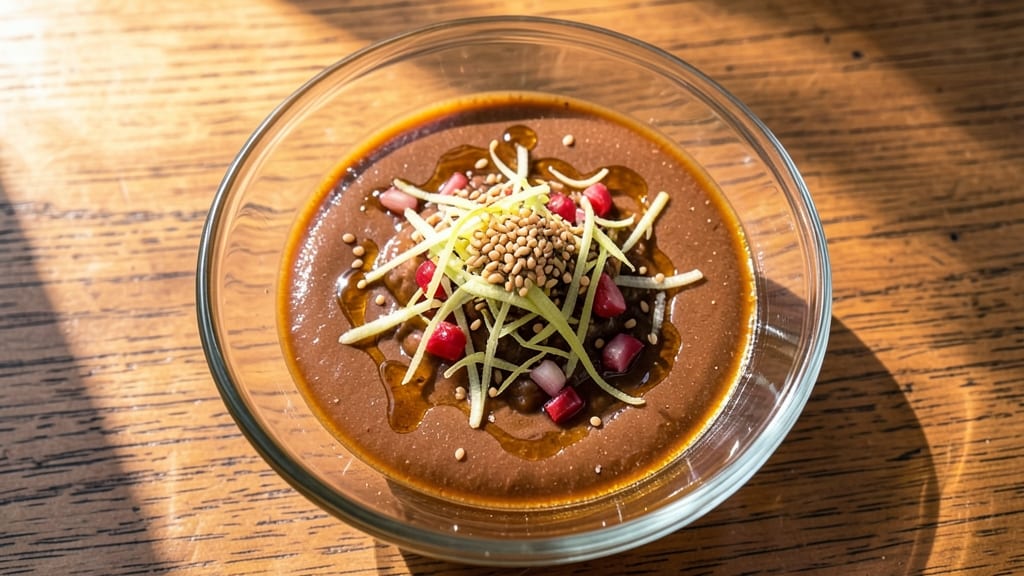
This Asian noodle salad dressing transforms simple bowls into restaurant-worthy meals with its bold umami base and fresh herb zing.
The secret lies in balancing salty soy sauce, nutty sesame oil, and bright rice vinegar—creating a sauce that clings perfectly to chilled noodles and vegetables while adding layers of flavor without overpowering.
I developed this recipe after realizing store-bought dressings always fell short of that perfect harmony between sweet, savory, and tangy notes.
The beauty of this dressing is its versatility—it works equally well with cold soba noodles, rice noodles, or even fresh vegetables.
The base ingredients (soy sauce, sesame oil, and rice vinegar) form the foundation, while optional additions like ginger, garlic, and chili flakes allow you to customize the heat and depth of flavor.
What makes it truly special is how it enhances rather than dominates, letting the fresh herbs and vegetables shine while providing that essential umami richness.
What you'll achieve is a dressing that's creamy yet light, with a perfect balance of tanginess and sweetness that elevates any Asian-inspired salad. The texture is silky smooth, coating every strand of noodle and bite of vegetable without making them soggy.
This recipe is particularly well-suited for vegan and vegetarian diets, as it relies on plant-based ingredients and can easily be adjusted to suit dietary preferences.
Whether you're prepping a quick lunch or hosting a dinner party, this dressing will become your go-to for adding that authentic Asian flair. It keeps well in the refrigerator for up to a week, making it perfect for meal prep.
Let's create this flavorful foundation that will transform your noodle salads into something truly special.
Ingredients for asian noodle salad dressing
Ten ingredients. One silky, umami-packed dressing that turns simple bowls into restaurant-worthy meals.
| Ingredient | Amount | Notes |
|---|---|---|
| Low-Sodium Soy Sauce 🍶 | ⅓ cup | Use high-quality for best flavor |
| Toasted Sesame Oil 🫒 | ¼ cup | Nutty aroma is essential |
| Rice Vinegar 🍶 | ¼ cup | Mild and bright preferred |
| Fresh Ginger 🧄 | 1 tbsp | Finely grated for zing |
| Garlic Cloves 🧄 | 2 cloves | Minced for aromatic depth |
| Honey 🍯 | 2 tbsp | For subtle sweetness |
| Toasted Sesame Seeds 🌾 | 1 tbsp | For nutty crunch finish |
| Fresh Cilantro Leaves 🌿 | ¼ cup | Chopped for fresh herb zing |
| Red Chili Flakes 🌶️ | ½ tsp | Adjust for heat preference |
| Sesame Paste 🥜 | 1 tbsp | For creamy texture base |
The soy sauce and sesame oil are your flavor anchors—Kikkoman soy sauce and La Choy toasted sesame oil from the Asian aisle are my go-tos. Look for organic ginger and garlic if you can, but regular works fine. Fresh cilantro is non-negotiable for that bright herb zing, but if you're out, fresh basil at half the amount works in a pinch. The sesame paste adds incredible creaminess without dairy, and you'll find it in the international section of most grocery stores or at Trader Joe's.
No sesame oil? Peanut oil at half the amount works, though it lacks that nutty aroma. Swap honey for maple syrup or agave if you prefer vegan. Chili flakes too spicy? Reduce to 1/4 tsp or skip entirely. The ginger and garlic can be pre-minced to save time, but fresh is always better. For extra depth, add 1 tsp fish sauce (vegan option: coconut aminos), though it's optional. This dressing doubles easily, so make extra—it keeps beautifully for 1 week in the fridge.
Store in an airtight jar with the lid sealed tight to preserve freshness. The texture will thicken slightly over time, so give it a quick whisk before using. Keeps for up to 1 week in the fridge, though the flavor peaks within the first 3 days. For longer storage, freeze in ice cube trays and transfer to a bag—perfect for single-serving portions. The sesame seeds can be toasted fresh before adding or sprinkled on top right before serving for maximum crunch.
Why You'll Love This Recipe
- You’re talking pennies here: a splash of vinegar, a knob of ginger, a few cloves. No specialty ingredients, no markup—just pure, honest flavor that costs less than takeout. Between us, this is how I feed my family without breaking the bank.
- No Blender Needed: I swear by this recipe because it’s all about the whisk—no gadgets, no fuss. Just a bowl, a fork, and five minutes of stirring until the toasted sesame oil glistens like liquid gold. Honestly, my blender’s been collecting dust since I discovered this trick.
- Umami Bomb: That first taste of garlic and ginger sizzling in the pan? Chef’s kiss. The low-sodium soy sauce cuts through the heat while the rice vinegar lifts everything—bright, tangy, and just salty enough to make your taste buds do a happy dance. It’s the kind of flavor that sticks with you.
- Leftover Hero: This dressing keeps like a champ in the fridge for up to a week, and it only gets better as the ginger mellows and the garlic deepens. I’ve used it on cold noodles, grilled chicken, even as a marinade—no waste, all flavor. (Yes, even on a Tuesday night.)
Step-by-step instructions for Asian noodle salad dressing
This vibrant dressing brings bold umami depth and fresh herb brightness to any noodle salad—let's blend it perfectly.
Whisk Together the Base Ingredients
In a medium bowl, combine the 0.33 cup low-sodium soy sauce, 0.25 cup rice vinegar, and 2 tablespoons honey. Use a whisk to blend these until fully incorporated—the soy sauce should dissolve completely into the vinegar and honey mixture, creating a smooth foundation. This base forms the core of your dressing's flavor profile, balancing saltiness, acidity, and sweetness.
I like to whisk vigorously for about 30 seconds to ensure the honey fully integrates and the mixture becomes homogeneous. The soy sauce should no longer appear streaky—this ensures even flavor distribution when you add the dressing to your noodle salad later. Taste the mixture now; it should be tangy with a touch of sweetness, but don't adjust anything yet—we'll balance the flavors as we go.
Add Aromatics and Sesame Paste
Finely grate the 1 tablespoon fresh ginger using a microplane or the smallest holes of a box grater. Add it to the bowl along with the 2 minced garlic cloves and 1 tablespoon sesame paste. Whisk everything together until the ginger and garlic are completely dissolved and the sesame paste forms a creamy texture—this should take about 1 minute of steady whisking.
The sesame paste is crucial here; it gives the dressing its signature velvety texture. If you notice any graininess from the ginger or garlic, continue whisking until smooth. This step develops the dressing's complex aroma—you should notice a warm, nutty scent from the sesame paste mingling with the sharp ginger and pungent garlic. The mixture will look slightly thicker now, which is perfect for clinging to noodles.
Incorporate Oil and Chili for Depth
With the motor running on your hand mixer (or continuing to whisk vigorously), slowly drizzle in the 0.25 cup toasted sesame oil. This should take about 30 seconds—adding it too quickly can cause the mixture to separate. The oil will emulsify with the other ingredients, creating a silky texture that coats the back of a spoon.
Sprinkle in the 0.5 teaspoon red chili flakes and whisk for another 10 seconds to distribute evenly. The chili adds subtle heat that brightens the entire dressing. Here's where you can adjust the heat to your preference—if you want more kick, add an extra pinch, but remember this dressing serves 4, so go easy unless you're serving spice lovers. The mixture should now have a rich, aromatic smell with hints of toasted sesame and gentle spice.
Finish with Fresh Herbs and Texture
Chop the 0.25 cup fresh cilantro leaves finely and fold them into the dressing using a spatula. The cilantro adds that signature freshness that cuts through the richness of the other ingredients. Sprinkle in the 1 tablespoon toasted sesame seeds and give everything one final stir—these seeds will add nutty crunch when tossed with noodles.
Taste the dressing one final time before using. It should balance sweet, salty, tangy, and umami flavors with a touch of heat and fresh herb brightness. If it needs more acidity, add a splash of rice vinegar; if it needs more depth, stir in another teaspoon of soy sauce. The dressing should be thick enough to coat noodles but still pourable—if too thick, thin with 1 teaspoon water at a time until you reach the perfect consistency.
Pro Tips For Making Asian Noodle Salad Dressing
- Mince the Ginger Fine: I used to slap in thick slices of ginger and wonder why the dressing tasted more like a mouthwash than flavor. Now I use the side of my knife to press the ginger flat, then finely mince it—almost like a paste. This releases the oils and blends smoothly without any grit.
- Toast the Garlic Low: Skip the high-heat blitzing that turns garlic bitter. Instead, heat your pan to medium-low, add the cloves whole, and cook just until fragrant—about 2 minutes. Then smash them flat with the back of a spoon before adding to the dressing. The result? Sweet, mellow garlic that doesn’t overpower.
- Whisk in the Sesame Oil Last: I learned this the hard way—adding toasted sesame oil early makes the dressing taste like a greasy afterthought. Wait until the very end, then drizzle it in while whisking vigorously. This distributes the nutty aroma evenly without overwhelming the other flavors.
- Balance the Vinegar Gradually: Don’t dump the rice vinegar all at once and hope for the best. Start with half the amount, taste, then add more a teaspoon at a time. The dressing should brighten the dish, not make it taste like you’re pickling your noodles. (Yes, I’ve done that.)
Flavor customization for this dish
Sweet-Savory Balance
The foundation of this dressing relies on balancing sweet and savory notes, and you can easily tweak this ratio to suit your taste. For a more balanced flavor, reduce the honey to 1 tablespoon and add 1 teaspoon maple syrup instead.
If you prefer a sweeter dressing, increase the honey to 3 tablespoons and add ½ teaspoon vanilla extract for depth. The soy sauce provides the salty backbone, so if you're using a high-sodium soy sauce, reduce it to ⅓ cup to avoid overpowering the dish. 🍯
Spicy Heat Variations
Adjust the heat level to match your preferences—this dressing works beautifully with a range of spice intensities. For mild heat, reduce the red chili flakes to ¼ teaspoon or swap them for ½ teaspoon ground white pepper.
If you love bold heat, add 1 teaspoon gochujang (Korean chili paste) or ½ teaspoon sriracha along with the chili flakes. For a smoky kick, stir in ½ teaspoon smoked paprika or a pinch of ground coriander. 🌶️
Herb and Aroma Swaps
Fresh herbs and aromatics can completely transform the dressing's character. Swap the cilantro for fresh Thai basil or mint leaves for a brighter, more aromatic profile. For a garlicky depth, add an extra 1 minced garlic clove or infuse the dressing with 1 clove roasted garlic.
If you prefer citrus notes, add 1 teaspoon finely grated lime zest or 1 tablespoon lime juice. The sesame paste can also be replaced with 1 tablespoon tahini for a slightly different nutty flavor. 🌿
Creamy Texture Options
This dressing is naturally creamy thanks to the sesame paste, but you can enhance or alter the texture further. For a thicker dressing, stir in 1 tablespoon tahini or 1 tablespoon peanut butter (unsweetened).
For a lighter texture, thin with 1 tablespoon water or 1 tablespoon coconut milk. If you want a dairy-based creaminess, add 1 tablespoon Greek yogurt or 1 teaspoon coconut yogurt (ensure it’s vegan if needed).
These adjustments work especially well for tossing with thicker noodles like udon or ramen. 🥜
Regional Flavor Twists
Inspired by different Asian cuisines, this dressing can be adapted to reflect regional tastes. For a Japanese-inspired version, add 1 teaspoon mirin and ½ teaspoon grated daikon radish for a lighter, slightly sweet profile.
For a Thai-inspired twist, stir in 1 teaspoon fish sauce (or coconut aminos for vegan) and ½ teaspoon lemongrass paste. A Korean-inspired variation calls for 1 teaspoon gochugaru (Korean chili flakes) and ½ teaspoon toasted sesame seeds for extra depth.
Each twist keeps the dressing’s signature umami while adding unique cultural flair. 🗺️
Dietary Adaptations
This dressing is naturally vegan and gluten-free, but you can easily customize it for other dietary needs. For a lower-sodium version, use low-sodium soy sauce or coconut aminos instead. If you're avoiding sesame, replace the sesame oil and paste with avocado oil and 1 tablespoon tahini.
For a nut-free option, omit the sesame paste and sesame seeds, and use 1 tablespoon sunflower seed butter instead. These adaptations ensure everyone at the table can enjoy the dressing without compromise. 💛
Nutrition facts
Frequently asked questions
Can I make this dressing without sesame oil?
Yes! Replace the 0.25 cup toasted sesame oil with 0.25 cup peanut oil or avocado oil for a neutral flavor. For extra richness, use 0.2 cup neutral oil plus 1 tablespoon tahini—just whisk it in slowly to prevent separation. The nutty aroma is key, but these alternatives still deliver that signature depth.
How long does this dressing keep in the fridge?
The dressing stays fresh for up to 1 week when stored in an airtight container. The texture may thicken slightly over time, so give it a quick whisk before using. For longer storage, freeze in ice cube trays—thaw overnight in the fridge and whisk to restore consistency. The flavor actually improves after 2-3 days as the ingredients meld!
What noodles work best with this dressing?
This dressing shines with chilled rice noodles, soba noodles, or udon—their neutral flavor lets the umami and fresh herbs shine. For extra texture, try chewy ramen noodles or glass noodles. Avoid overcooking noodles, as they absorb the dressing quickly. Pro tip: Toss with cold noodles right before serving for maximum crispness.
Why did my dressing separate?
Separation usually happens when oil is added too quickly or the mixture sits too long before using. To fix it, whisk vigorously or use a hand mixer to re-emulsify. For prevention: whisk constantly when adding sesame oil and store in the fridge (not at room temperature). If it separates again, thin with 1 teaspoon rice vinegar to help bind the ingredients.
Can I use this dressing on non-noodle dishes?
This versatile dressing works beautifully on grilled chicken, tofu, or shrimp skewers as a marinade or glaze. Drizzle over steamed veggies, rice bowls, or even tacos for an Asian-inspired twist. The silky texture makes it perfect for dipping sauces too—just strain out the sesame seeds if you prefer a smoother consistency.