
Sauces & Condiments
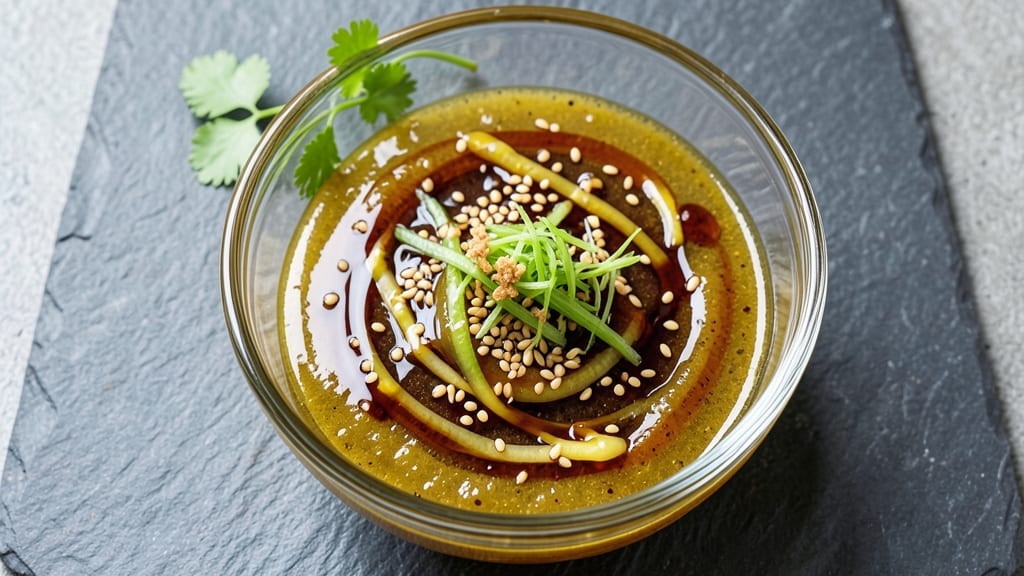
This 5-minute Asian chopped salad dressing delivers the perfect balance of sesame-ginger zing without overpowering your greens. The secret lies in emulsifying soy sauce, rice vinegar, and sesame oil with a touch of honey—creating a silky, tangy-sweet dressing that clings beautifully to every bite.
I developed this recipe after realizing store-bought versions never quite captured the fresh, aromatic depth of homemade. What sets this dressing apart is its versatility—it works equally well with crisp cabbage, shredded carrots, or hearty proteins like grilled chicken.
The ginger adds a bright kick, while toasted sesame oil contributes nutty richness. Unlike many dressings that separate or taste flat, this one stays cohesive and vibrant for days when stored properly. You'll end up with a dressing that transforms simple salads into restaurant-quality meals.
The 5-minute prep makes it perfect for busy weeknights, while the bold flavors elevate even the most basic ingredients. Once you taste the difference, you'll never go back to bottled again. Use it immediately on your favorite Asian-inspired salad or store it in the fridge for up to a week.
The ingredients are simple, but the flavor impact is undeniable—this is the dressing that finally makes your chopped salads shine.
Ingredients for asian chopped salad dressing
Eight simple ingredients transform into a vibrant dressing that elevates any Asian salad.
| Ingredient | Amount | Notes |
|---|---|---|
| Toasted Sesame Oil 🫒 | ¼ cup | High-quality, nutty aroma |
| Rice Vinegar 🍶 | ⅓ cup | White or seasoned variety |
| Low-Sodium Soy Sauce 🍜 | ⅓ cup | Kikkoman preferred |
| Fresh Ginger 🌿 | 1 tbsp | Finely grated, aromatic |
| Honey 🍯 | 2 tbsp | Wildflower or clover |
| Sesame Seeds 🌰 | 1 tbsp | Toasted for extra flavor |
| Garlic Cloves 🧄 | 2 cloves | Minced, fresh preferred |
| Vegetable Oil 🫒 | ¼ cup | Light, neutral flavor |
| Sesame Seeds (Extra) 🌰 | 1 tbsp | For garnish, toasted |
| Salt 🧂 | ½ tsp | Kosher or sea salt |
Sesame oil is the flavor anchor here—Kadoya brand from Asian markets has the richest aroma. Grab fresh ginger at the grocery store produce section (the knobby ones with tight skin). Trader Joe's carries pre-grated ginger if you're short on time, but fresh is always better. The soy sauce should be low-sodium to avoid overpowering the delicate balance. For honey, local wildflower varieties add subtle floral notes that complement the sesame perfectly. Toast your sesame seeds in a dry pan for 2 minutes until fragrant—trust me, it makes all the difference.
No sesame oil? Avocado oil works in a pinch, though the flavor won't be identical. Swap rice vinegar for apple cider vinegar if needed, but the dressing will be slightly less tangy. Fresh ginger too spicy? Use half the amount or sub with 1/2 tsp ground ginger. The vegetable oil is just for emulsification—any neutral oil works, but don't skip it entirely or your dressing will separate. For a sugar-free version, replace honey with 1 tbsp maple syrup. The garlic can be omitted if you dislike its punch, but it adds wonderful depth.
This dressing stays fresh for 1 week in the fridge, sealed tightly. The oil layer on top is normal—just whisk before using. For extra longevity, portion into small jars. Garnish with toasted sesame seeds right before serving to keep them crisp. I always make double batches—one for immediate use and one to stash in the fridge for lazy salad nights. The flavors actually improve after a day as everything melds together beautifully.
Why You'll Love This Recipe
- Five-Ingredient Magic: I swear by this combo—just whisk together toasted sesame oil, rice vinegar, soy sauce, grated ginger, and honey. It’s the kind of dressing where you don’t even need a recipe; the balance of salty, sweet, and umami hits every time.
- No-Burner Effort: Honestly, this takes less time than waiting for the microwave to ding. Five minutes tops, and you’re left with a jar of dressing that’ll make your salads taste like you spent hours in the kitchen. (Spoiler: You didn’t.)
- Salad Overload Solved: Between us, this dressing is my secret weapon for meal prep. Drizzle it on greens for lunch, toss it with cold noodles for dinner, or even use it as a marinade for grilled chicken. One batch lasts me weeks—and yes, even my picky eaters ask for seconds.
- Budget Bright Spot: Fresh ginger and rice vinegar stretch forever, and a little toasted sesame oil goes a long way. I’ve made this for under $3 per batch, and it’s way more exciting than store-bought. Plus, the honey adds just enough richness to make it feel special without breaking the bank.
Step-by-step instructions for Asian chopped salad dressing
This vibrant sesame-ginger dressing comes together in minutes with bold, balanced flavors.
Toast the Sesame Seeds for Depth
Heat a dry skillet over medium heat and add the 1 tablespoon sesame seeds. Toast for 1-2 minutes until they turn a rich golden brown and release their nutty aroma. Watch closely—they go from raw to toasted in seconds, so don't walk away. Transfer immediately to a small bowl to cool.
This toasting step is what gives your dressing that professional restaurant quality. The seeds should smell intensely nutty and look like they've been kissed by a skillet. Let them cool completely before adding to your dressing—hot seeds can make the oil separate later.
Whisk Together Wet Ingredients
In a medium bowl, combine the 0.25 cup toasted sesame oil, 0.33 cup rice vinegar, and 0.33 cup low-sodium soy sauce. Add the 2 tablespoons honey and 0.5 teaspoon salt, then whisk vigorously for 30 seconds until everything is fully incorporated.
The honey helps balance the acidity of the rice vinegar while adding just the right amount of sweetness. If you're using a sweeter honey, you might want to reduce it slightly to 1.5 tablespoons—taste as you go. This mixture should look like a glossy, golden liquid with no streaks of oil.
Add Aromatics and Finish
Grate the 1 tablespoon fresh ginger using a fine grater or microplane, then add it to the bowl. Minced 2 garlic cloves and the toasted sesame seeds, then whisk everything together for another 30 seconds until you see the seeds disperse evenly through the dressing.
Here's where the magic happens: the ginger and garlic infuse their bright, zesty flavors while the sesame seeds add texture. You'll notice the dressing immediately becomes more aromatic—it should smell like a perfect balance of sweet, salty, umami, and fresh. If it looks too thick, add 1 teaspoon water to loosen it slightly.
Emulsify with Vegetable Oil
Slowly drizzle in the 0.25 cup vegetable oil while whisking continuously. This gradual addition is crucial—it helps create a stable emulsion that won't separate. Keep whisking for 1 full minute after all the oil is incorporated until the dressing becomes thick and creamy.
This is the moment that matters: the dressing should coat the back of a spoon and hold its shape when drizzled. If it starts to break or look oily, whisk in another ½ teaspoon water to help bind it. The final texture should be smooth with just a hint of graininess from the sesame seeds.
Garnish and Store
Transfer the dressing to a clean jar with a tight-sealing lid. Sprinkle the 1 tablespoon extra sesame seeds on top for both decoration and extra crunch. The seeds should be toasted and ready to use—if not, quickly toast them in a dry skillet for 30 seconds before adding.
This dressing keeps beautifully in the refrigerator for up to 1 week, though I find it gets even better after a day as the flavors meld. Give it a good shake before each use, especially if you notice any separation. The dressing should be ready to use immediately for your chopped salad, noodles, or grilled proteins.
Pro Tips For Making Asian Chopped Salad Dressing
- Grate Ginger Fine: Use the smallest holes on your grater—this way, the ginger blends smoothly without clumping. I learned this the hard way after tasting a dressing with visible shreds that made it taste like you were chewing instead of savoring.
- Warm the Honey: Drizzle honey into the warm dressing (not boiling, just off the stove or microwave for 10 seconds). Cold honey sinks like a stone and never fully incorporates—your dressing will look cloudy and taste uneven if you skip this.
- Taste Before Oil: Mix everything except the sesame oil first, then taste. That oil is potent—adding it last lets you adjust sweetness or salt without overpowering the whole thing. I used to dump it in early and wonder why my dressing always tasted off.
- Whisk Like You Mean It: Give that dressing a good 30-second whirl with a fork or whisk, especially after adding the ginger. The honey and soy sauce cling to the bottom like glue if you’re lazy—your salad will get a sticky, uneven coating if you don’t force it to come together.
Common mistakes when making this dish
Over-Whisking the Dressing
I used to think more whisking meant better emulsification, but that's a common mistake. Whisking the wet ingredients for more than 30 seconds can actually incorporate too much air, making your dressing too light and causing it to separate later.
Focus on getting the ingredients fully combined, then move to the oil addition step. The key is patience—gradual oil incorporation creates a stable emulsion without overworking the mixture. 💫
Skipping the Oil Emulsification
Many recipes call for sesame oil alone, but that's a big no-no for this dressing. The 0.25 cup vegetable oil is essential for creating a stable emulsion that won't separate. Without it, your dressing will look like a sad, oily mess after just a few hours.
I recommend using a neutral oil like avocado or grapeseed—it won't compete with the sesame flavors but will keep everything beautifully bound together.
Using Untoasted Sesame Seeds
Raw sesame seeds lack that nutty depth that makes this dressing sing. Always toast your seeds in a dry skillet for 1-2 minutes until golden brown—they should smell intensely aromatic. I've tried skipping this step, and while the dressing still works, it's missing that professional restaurant quality.
Pro tip: Toast the extra seeds you use for garnish too—they'll add that crucial crunch and flavor to every bite.
Ignoring the Ginger's Freshness
Pre-grated ginger from jars loses its potency quickly, and that affects your dressing's brightness. Always use fresh ginger—it should smell citrusy and zesty. If you're short on time, buy a small piece and grate it yourself.
For extra zing, I like to pulse fresh ginger in a food processor for 5 seconds—this releases more of its essential oils and gives your dressing that restaurant-quality punch.
Adding Oil Too Quickly
This is where most dressings go wrong. Pouring oil all at once causes separation because the ingredients can't properly emulsify. Instead, add the 0.25 cup vegetable oil in a slow, steady stream while whisking continuously.
The gradual addition gives the dressing time to bind properly. If you see any separation during this step, just whisk in another ½ teaspoon water—it helps re-emulsify everything beautifully.
Not Tasting as You Go
This might seem obvious, but I've seen people skip tasting until the very end. The balance of sweet, salty, and umami needs to be just right. Taste after combining the wet ingredients, then again after adding the aromatics.
Adjust the honey if it needs more sweetness, or add a pinch more soy sauce if it's too mild. This dressing should taste vibrant and complex—not flat or one-dimensional. Trust your taste buds—they're your best guide! 🌟
Nutrition facts
Frequently asked questions
Can I make this dressing without sesame oil?
You can substitute with 1 tablespoon avocado oil plus ½ teaspoon toasted sesame seed paste for depth, but the flavor won't be identical. The sesame oil is key for that nutty aroma—if you omit it completely, your dressing will taste lighter and less authentic. For a vegan version, ensure your honey is replaced with maple syrup or agave.
How do I fix separated dressing?
Give it a good shake, then whisk in ½ teaspoon water or 1 teaspoon rice vinegar to re-emulsify. The oil layer on top is normal—just stir before using. If it's been refrigerated, let it sit at room temperature for 5 minutes first to help the ingredients blend more easily. This dressing is designed to be stable, but temperature changes can cause temporary separation.
What's the best way to use leftover dressing?
Drizzle over grilled chicken skewers, steamed bok choy, or cold noodle salads for extra flavor. It also makes a fantastic marinade for tofu or shrimp—just reduce the honey to 1 tablespoon to prevent over-sweetening. For a quick meal, toss it with chilled soba noodles and sliced cucumber.
Can I make this dressing spicier?
Add ½ teaspoon sriracha or ¼ teaspoon red pepper flakes during the final whisking. For heat lovers, try 1 teaspoon gochujang (Korean chili paste) instead of part of the honey—it adds sweetness with a slow-building spice. Always taste first, as commercial sauces vary in intensity. Fresh chili oil can also be drizzled on top right before serving.
Why does my dressing taste too salty?
Use low-sodium soy sauce and taste as you go. If it's already made, dilute with 1 teaspoon extra rice vinegar or 1 teaspoon honey to balance. The dressing should have a bright, complex flavor—not just salt. For future batches, reduce soy sauce by 1 tablespoon if your brand is particularly salty. The honey helps counteract saltiness while adding sweetness.