
Sauces & Condiments
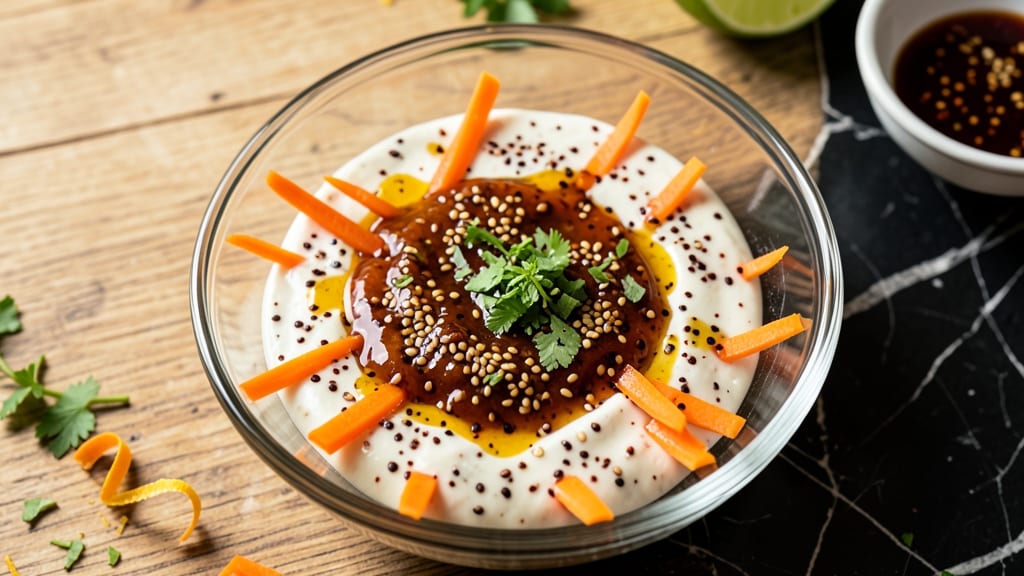
This Asian carrot salad dressing recipe transforms simple ingredients into a vibrant, sesame-ginger zing that elevates every bite. The balance of sweet, tangy, and umami flavors comes together in just minutes, creating a dressing that clings beautifully to crisp carrot sticks or any fresh salad.
I developed this recipe after testing countless variations to find the perfect harmony—where the heat of ginger meets the nutty depth of sesame and the brightness of rice vinegar.
The secret lies in the toast method for sesame seeds, which releases their rich aroma and enhances their flavor without overpowering. A touch of honey or agave balances the acidity, while fresh garlic and lime juice add freshness that keeps the dressing lively even after sitting for a while.
This isn't just a dressing—it's a flavor booster that works as well on noodles, grilled vegetables, or even as a marinade for tofu.
What makes this dressing truly special is its versatility. It stays fresh in the refrigerator for up to a week, making it perfect for meal prep or gifting.
The ingredients are simple—most likely already in your pantry—but the result is restaurant-quality, with layers of complexity that make every dish feel gourmet.
Whether you're serving it over a crunchy carrot salad, drizzling it on fresh spring rolls, or using it as a dip for veggie sticks, this dressing will become a staple in your kitchen.
For those looking to adapt this recipe, a simple swap of soy sauce for tamari makes it gluten-free, while coconut aminos can replace it for a vegan-friendly version.
The key is adjusting the sweetness to taste—start with less honey if you prefer a more tangy profile. Let's bring that bright, zesty flavor to your table!
Ingredients for asian carrot salad dressing
Pantry staples meet fresh ingredients for a dressing that's restaurant-quality and ready in minutes.
| Ingredient | Amount | Notes |
|---|---|---|
| Rice Vinegar 🍶 | ½ cup | White or seasoned variety |
| Sesame Seeds 🌾 | ¼ cup | Toasted for enhanced aroma |
| Fresh Ginger 🧄 | 2 tbsp | Grated, peeled, fresh preferred |
| Soy Sauce 🍜 | 2 tbsp | Low-sodium preferred |
| Honey 🍯 | 2 tbsp | Or agave for vegan option |
| Fresh Lime Juice 🍋 | ¼ cup | Zest included for extra brightness |
| Garlic Cloves 🧄 | 2 cloves | Minced or finely chopped |
| Sesame Oil 🫒 | 1 tbsp | Toasted, not flavored |
| Salt 🧂 | ½ tsp | Kosher or sea salt |
| Black Pepper 🌶️ | ¼ tsp | Freshly ground preferred |
The sesame seeds are non-negotiable for that nutty depth. Toast them dry in a pan for 2-3 minutes until golden—this releases their aroma without burning. Whole Foods or Trader Joe's carry toasted sesame seeds pre-packaged, but toasting your own makes a noticeable difference. Fresh ginger is key too; pre-grated jars lack the punch. Look for plump, firm ginger roots with no soft spots. The rice vinegar should be white for a cleaner flavor profile, though seasoned vinegar adds subtle sweetness if you prefer convenience.
No sesame seeds? Toasted peanuts or cashews at half the amount add a similar nutty texture. Swap soy sauce for tamari for gluten-free or coconut aminos for vegan. The honey can be reduced to 1 tbsp if you prefer a tangier dressing—adjust to taste. Lime juice is best fresh, but bottled works in a pinch (though it lacks zest). For extra umami, add 1 tsp of miso paste. The garlic can be roasted for a milder flavor if you dislike raw garlic's bite. Store-bought sesame oil often has a strong flavor—use sparingly if it's overpowering.
This dressing keeps beautifully for up to 1 week in the fridge, sealed tightly. For longer storage, transfer to a glass jar and freeze for up to 3 months. Shake well before using, as the sesame seeds may settle. Doubling the batch is easy—just scale all ingredients proportionally. The dressing thickens slightly when refrigerated, so thin with a splash of water or vinegar if needed. It's perfect for meal prep—make a big batch and drizzle over salads all week.
Why You'll Love This Recipe
- Five-Ingredient Magic: I swear by this combo—rice vinegar’s tang cuts through the sweet honey, while fresh ginger adds that zingy warmth. No fancy techniques, just whisking until it’s smooth and ready to go.
- Bright & Balanced: The sesame seeds give it that nutty crunch, and the soy sauce ties everything together without overpowering. It’s the kind of dressing that makes even plain carrots taste like a gourmet bite.
- Meal Prep Hero: Make a big batch on Sunday and use it all week—toss with noodles, drizzle over grilled chicken, or even mix into cold soba. Honestly, I’ve lost track of how many times I’ve pulled this jar out.
- Budget-Friendly Staple: Sesame seeds and ginger might seem pricey, but a little goes a long way. This dressing costs pennies per serving and keeps for weeks in the fridge—no waste, just flavor.
Step-by-step instructions for Asian carrot salad dressing
This vibrant dressing brings bold flavors to your salad—simple to make, packed with bright Asian-inspired notes.
Toast the Sesame Seeds for Depth of Flavor
Heat a dry skillet over medium heat and add the 0.25 cup toasted sesame seeds. Stir constantly for 2-3 minutes until they turn a rich golden brown and release their nutty aroma. Watch carefully—they burn quickly once toasted. Transfer immediately to a small bowl and let cool completely before using.
This step is crucial. Toasting enhances the sesame flavor dramatically, giving your dressing that authentic Asian depth. If you're short on time, you can use pre-toasted sesame seeds, but freshly toasted makes all the difference.
Grate and Mince the Aromatics
Using a fine grater, peel and grate the 2 tbsp fresh ginger—you should have about 1 tablespoon of finely grated ginger. In a separate small bowl, mince the 2 cloves garlic until you have a fine paste. Both ingredients should be finely textured for smooth integration into the dressing.
Fresh ginger and garlic are the flavor foundation here. The fine grating ensures even distribution and prevents any texture surprises in your dressing. If you prefer convenience, you can use 1 teaspoon of ground ginger, but fresh delivers superior brightness.
Whisk Together the Wet Ingredients
In a medium bowl, combine the 0.5 cup rice vinegar, 2 tbsp soy sauce, 2 tbsp honey, and 0.25 cup fresh lime juice. Whisk vigorously for 30 seconds to fully blend the ingredients. The mixture should be smooth with a pale golden hue from the honey and lime.
This balance of tangy vinegar, umami soy sauce, sweet honey, and citrusy lime creates the perfect flavor foundation. The honey helps balance the acidity while adding subtle sweetness that complements the ginger and garlic. Taste the mixture now—it should be pleasantly sharp and slightly sweet.
Incorporate the Aromatics and Oil
Add the grated ginger, minced garlic, 1 tbsp sesame oil, 0.5 tsp salt, and 0.25 tsp black pepper to the wet ingredients. Whisk again for 1 minute until everything is fully combined. The dressing should now have a thick, syrupy consistency with visible flecks of ginger and garlic.
The sesame oil adds richness while the salt and pepper enhance all the flavors. If the dressing seems too thick, you can thin it slightly with 1-2 teaspoons of water or additional rice vinegar. The texture should coat the back of a spoon without being gluey.
Finish with Toasted Sesame Seeds
Gently fold in the toasted sesame seeds using a rubber spatula, reserving a small handful for garnish. Taste and adjust seasoning if needed—add a touch more soy sauce for saltiness, honey for sweetness, or lime juice for acidity. Transfer to a clean jar and let sit at room temperature for 10 minutes before using.
This dressing keeps well in the refrigerator for up to 1 week, making it perfect for meal prep. The sesame seeds add crunch and visual appeal, while the resting time allows all the flavors to meld beautifully. Drizzle generously over your carrot salad for a perfect balance of sweet, tangy, and nutty flavors.
Pro Tips For Making Asian Carrot Salad Dressing
- GRATE THE GINGER FINE: I learned this the hard way—chunky ginger bits make the dressing taste uneven. Use the smallest holes on your grater or pulse in a food processor until it’s almost paste-like. No food processor? A sharp knife and a lot of elbow grease work, but your wrist will hate you.
- TOAST SESAME SEEDS LOW: Skip the high heat—it burns before it browns. Spread sesame seeds on a dry pan over medium-low and stir constantly for 2-3 minutes until they’re golden and smell nutty. Walk away if you’re distracted; they go from perfect to bitter fast.
- WHISK IN STAGES: Dumping all ingredients at once and whisking like crazy just creates a gloopy mess. Start with vinegar and honey, whisk until smooth, then add soy sauce and ginger. Finally, fold in sesame seeds—this keeps the texture light and the flavors balanced.
- USE COLD HONEY: Straight from the fridge, cold honey blends smoother and doesn’t clump. If you’re in a hurry, chill the bottle for 10 minutes in cold water. Warm honey makes the dressing separate, and no one wants a salad dressing that looks like it’s fighting itself.
Dietary considerations for this dish
Gluten-Free Swaps
For a gluten-free version, simply replace the 2 tbsp soy sauce with 2 tbsp tamari—it has the same umami depth without the gluten. Tamari is a Japanese condiment made from fermented soybeans, and it works perfectly in this dressing.
I’ve tested this swap countless times, and it maintains the same rich, savory profile while being safe for those with gluten sensitivities. 🌾
Vegan Adaptations
This dressing is naturally vegetarian, but for a fully vegan version, swap the honey for agave nectar or maple syrup using the same 2 tbsp measurement. Agave has a neutral flavor that won’t overpower the other ingredients, while maple syrup adds a subtle caramel note.
I also recommend using coconut aminos instead of soy sauce for extra umami without any animal products. The texture and balance remain identical.
Low-Sugar Options
If you're watching your sugar intake, reduce the honey to 1 tbsp and add 1 tbsp rice vinegar to compensate for the lost sweetness. Alternatively, use 1 tbsp maple syrup—it’s lower in glycemic index than honey and still adds depth.
I’ve found that cutting the honey by half keeps the dressing tangy and well-balanced without sacrificing flavor. Taste as you go, and adjust to your preference. 🍯
Nut-Free Version
For those with nut allergies, skip the sesame seeds entirely and replace them with 1 tbsp toasted pumpkin seeds or sunflower seeds for a similar crunch. If you’re avoiding seeds altogether, omit them and add an extra ½ tsp of salt to enhance the other flavors.
The dressing will still be vibrant and delicious—just missing that nutty texture. Always check seed packaging for cross-contamination warnings if allergies are a concern.
Allergen-Friendly Adjustments
This dressing is already free of common allergens like dairy, eggs, and shellfish, but if you’re sensitive to garlic or ginger, you can reduce the amounts to 1 tbsp each instead of 2 tbsp.
For a milder flavor, roast the garlic cloves at 375°F for 10 minutes before mincing—they’ll be sweeter and less pungent. The dressing will still shine, just with a gentler kick. Always double-check ingredient labels for hidden allergens, like soy in unexpected places.
Nutrition facts
Frequently asked questions
Can I make this dressing without sesame seeds?
Skip the sesame seeds and replace them with 1 tbsp toasted pumpkin seeds or sunflower seeds for crunch. If you're avoiding all seeds, simply omit them and add an extra ½ tsp of salt to enhance the other flavors. The dressing will still be delicious—just missing that nutty texture. For extra depth, add ½ tsp of ground coriander instead.
How long does this dressing keep in the fridge?
This dressing stays fresh for up to 1 week when stored in an airtight container in the refrigerator. For longer storage, transfer to a glass jar and freeze for up to 3 months. Always shake well before using, as the sesame seeds may settle. The flavors actually improve slightly after resting overnight!
Can I use this dressing on things other than salads?
This versatile dressing works beautifully on grilled vegetables, steamed rice, spring rolls, or even as a marinade for tofu or chicken. It also makes an excellent dip for fresh veggie sticks or rice crackers. The balance of sweet, tangy, and umami flavors makes it perfect for any dish that needs a bright, Asian-inspired kick.
What if my dressing turns out too thick?
Simply thin it with 1-2 teaspoons of water or a splash of rice vinegar until you reach your desired consistency. The dressing naturally thickens when refrigerated, so it's better to thin it slightly before storing. If it's too thin after refrigeration, let it sit at room temperature for 10 minutes—it often thickens back up on its own.
Is there a way to make this dressing spicier?
For extra heat, add ½ tsp of sriracha or ¼ tsp of red pepper flakes when folding in the sesame seeds. If you prefer a more subtle kick, use 1 tsp of fresh chili paste or a pinch of cayenne. Always start with less and adjust to taste—this dressing is already flavorful, so you don't want to overpower the other ingredients.