
Salads
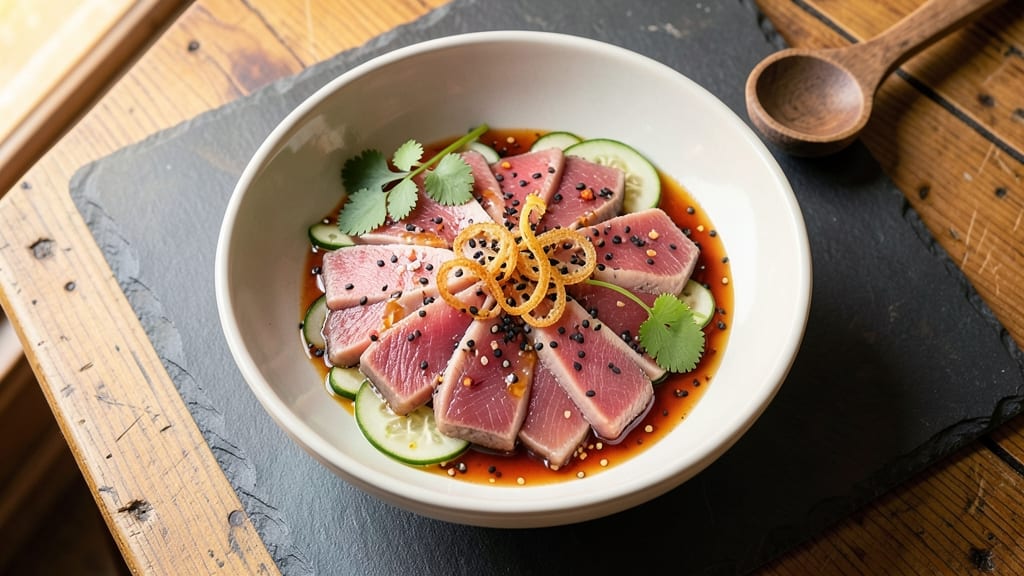
This Asian ahi tuna salad delivers restaurant-quality flavors with a perfect balance of sesame-ginger zing and crispy toppings. The secret lies in marinating the tuna just right—tender yet firm, infused with bright citrus and aromatic ginger.
I developed this recipe after years of refining the technique to ensure every bite stays fresh and flavorful.
What sets this dish apart is the harmonious blend of textures and flavors: silky tuna, crunchy sesame seeds, and a tangy-sweet dressing that ties everything together. The salad comes together in minutes, making it ideal for weeknight dinners or elegant gatherings.
Food safety is critical, so we'll cover proper handling of raw ahi tuna to keep your dish both delicious and safe.
By the end, you'll have a vibrant salad with golden sesame streaks, fresh herbs, and a dressing that clings perfectly to the tuna. The toppings add layers of crunch and depth, transforming a simple salad into a standout dish.
Serve it with steamed rice or crispy noodles for a complete meal.
This recipe is designed to impress without requiring advanced skills—just a few key techniques and fresh ingredients. Let's get started on creating a salad that tastes like a bite of Asia in every mouthful.
Ingredients for asian ahi tuna salad
Restaurant-quality ahi tuna salad starts with just 15 fresh ingredients and precise techniques.
| Ingredient | Amount | Notes |
|---|---|---|
| Fresh Ahi Tuna Steak 🐟 | 1 lb | Sushi-grade, sliced into 1/4-inch pieces |
| Extra-Virgin Olive Oil 🫒 | 2 tbsp | For searing tuna |
| Sesame Oil 🫒 | 1 tbsp | Toasted for aroma |
| Fresh Ginger 🌿 | 2 tbsp | Finely grated, aromatic |
| Rice Vinegar 🍶 | 3 tbsp | Unseasoned, mild flavor |
| Sesame Seeds 🌾 | 2 tbsp | Toasted for crunch |
| Green Onions 🧅 | 4 whole | Thinly sliced, white and green parts |
| Fresh Cilantro 🌿 | ¼ cup | Chopped, stems removed |
| Lemon Juice 🍋 | 2 tbsp | Freshly squeezed |
| Soy Sauce 🍶 | 1 ½ tbsp | Low-sodium preferred |
| Honey 🍯 | 1 tbsp | For sweet-tangy balance |
| Sesame-Ginger Dressing 🫒 | ½ cup | Homemade or store-bought |
| Mixed Baby Lettuce 🥬 | 4 cups | Butter or romaine preferred |
| Crispy Rice Noodles 🍜 | ½ cup | Store-bought or homemade |
| Red Bell Pepper 🌶️ | ¼ cup | Thinly sliced, for crunch |
The ahi tuna is non-negotiable—it must be sushi-grade for both safety and texture. Look for vibrant red flesh at high-end seafood counters or specialty stores like Whole Foods or Sprouts. The thinner you slice it (about 1/4-inch), the more even the cooking. Never thaw frozen ahi—it ruins the texture. For ginger, freshly grated delivers the most zing, but if you're short on time, a high-quality paste works (just reduce the amount by half). Sesame oil should smell nutty and toasted—if it's rancid, toss it. The toasted sesame seeds are worth the extra minute in a dry pan—they add that signature crunch.
No sesame seeds? Toasted slivered almonds work in a pinch, though the flavor won't be identical. Substitute the honey with agave nectar if you prefer a vegan option, but honey's subtle sweetness balances the tang perfectly. For the dressing, if you can't find a good sesame-ginger blend, mix 1 tbsp soy sauce + 1 tbsp rice vinegar + 1 tsp grated ginger + 1 tsp honey. The rice noodles should be crispy but not greasy—store-bought works, but homemade (tossed in oil and baked) adds that extra crunch. If you're using pre-sliced bell peppers, pat them dry first—they absorb dressing better.
Handle the raw tuna with care: keep it cold until ready to use, and work quickly to avoid overcooking. The salad holds for 2-3 hours in the fridge, but the tuna's texture degrades after that—best served fresh. For make-ahead prep, marinate the tuna in the dressing (without oil) for up to 1 hour before assembling. Store components separately until serving. The crispy toppings lose their crunch when refrigerated, so add them just before eating. This dish is a weeknight star—prep in 15 minutes, serve in 20.
Why You'll Love This Recipe
- I’ll be real: most salads turn sad by day two. Not this one. The dressing clings to the tuna like glue, and the ginger’s sharpness actually enhances the next day—it’s like the flavors get better with a little time. Plus, it’s cheap to make ahead for the week, so you’re not scrambling for dinner ideas.
- No-Fuss Freshness: I swear by this when I’m craving something vibrant but don’t want to fuss with chopping mountains of veggies. The ahi tuna slices themselves are the star—just sear them in a hot pan with a drizzle of sesame oil, and you’ve got 90% of the work done. The ginger and rice vinegar marry so quickly, it’s like the flavors are conspiring to impress.
- Umami Bomb: That first bite? The way the fresh tuna’s buttery richness meets the bright, zesty kick of the ginger and vinegar—it’s ridiculously good. Honestly, the sesame oil ties it all together with this nutty, toasty depth that makes it taste like a restaurant dish, not just a salad.
- Lunchbox Hero: Between us, this is my go-to for packed lunches—it holds up perfectly for a day (if you can resist eating it all first). The tuna stays tender, the dressing keeps the greens crisp, and it’s light enough for summer but hearty enough to satisfy when you’re starving. My coworker’s been stealing my portions, and I’m not mad.
Step-by-step instructions for Asian ahi tuna salad
Assemble this vibrant salad with precise technique for perfect texture and flavor balance.
Prepare the Tuna for Optimal Texture
Pat the 1 lb fresh ahi tuna steak dry with paper towels to remove any surface moisture. Using a sharp knife, slice the steak into ¼-inch thick pieces against the grain for maximum tenderness. Arrange the slices on a plate and set aside—don't marinate them yet, as this would make them mushy.
In a small bowl, whisk together the 2 tbsp extra-virgin olive oil, 1 tbsp sesame oil, 2 tbsp finely grated fresh ginger, 3 tbsp rice vinegar, 1.5 tbsp soy sauce, 1 tbsp honey, and 2 tbsp lemon juice. This marinade should be smooth and well combined—any lumps will create uneven flavor distribution in your salad.
Sear the Tuna for Perfect Doneness
Heat a nonstick skillet over medium-high heat until it's very hot—you should see a light sheen of oil when you add a drop of water that immediately evaporates. Working in batches if needed, add the tuna slices and sear for 1-2 minutes per side until they reach medium-rare (internal temperature of 125-130°F).
You'll know they're ready when the edges are just beginning to turn opaque but the centers remain pink and slightly translucent. Remove the tuna from the skillet and transfer to a cutting board. Let it rest for 2 minutes before slicing into ½-inch strips—this resting time ensures the juices redistribute for maximum tenderness.
Assemble the Crunchy Base Components
In a large mixing bowl, combine the 4 cups mixed baby lettuce, 0.5 cup crispy rice noodles, 0.25 cup thinly sliced red bell pepper, 4 whole green onions (sliced), and 0.25 cup chopped fresh cilantro. Gently toss everything together just until the lettuce is coated with the dressing—overmixing will crush the delicate leaves and release bitter juices.
Add the 0.5 cup sesame-ginger dressing to the bowl and toss again, being careful not to break the crispy rice noodles. Sprinkle the 2 tbsp toasted sesame seeds over the top just before serving to maintain their crisp texture and aroma.
Combine and Serve Immediately
Add the seared tuna strips to the salad bowl and gently fold everything together with a large spatula. The tuna should be distributed evenly throughout the salad without overmixing, which could make the lettuce wilt. Taste and adjust seasoning if needed—you might want to add a touch more soy sauce or rice vinegar to balance the flavors.
Serve immediately while the tuna is still warm and the lettuce maintains its crisp texture. The salad should have a perfect balance of textures—crisp lettuce, chewy tuna, crunchy rice noodles and bell pepper, and toasted sesame seeds—with a bright, tangy dressing that complements the rich umami of the ahi tuna.
Pro Tips For Making Asian Ahi Tuna Salad
- SEAR THE TUNA FAST: Hit the pan on high heat—no preheating games—and cook the tuna for exactly 2-3 minutes per side. You’re not trying to kill it, just warm the center enough to melt the fat. Overcooking turns it rubbery, and nobody wants that.
- GRATE GINGER FINE: Skip the juicer and use a microplane for ginger—it releases more flavor and blends smoother. A heaping teaspoon of fresh, finely grated ginger (not packed) is what you need. Trust me, the difference is noticeable.
- DON’T DROWN THE TUNA: After searing, let the tuna rest for 5 minutes before slicing—this keeps it tender. Then, when tossing with the dressing, add the oil and vinegar gradually so the tuna doesn’t turn to mush. A drizzle, not a bath.
- USE SESAME OIL LAST: Add sesame oil right before serving—it burns easily and smells amazing when fresh. If you toss it in early, you’ll end up with a bitter aftertaste. A quick swirl at the end keeps the aroma bright.
Dietary considerations for this asian ahi tuna salad
Gluten-Free Adaptations
This salad is naturally gluten-free, but always double-check your ingredients. Use tamari instead of soy sauce if you're sensitive to wheat—it has the same umami punch without the gluten. For extra safety, verify that your sesame seeds and rice noodles are certified gluten-free, especially if you have celiac disease.
I keep a small bottle of San-J brand tamari in my pantry for these exact situations—it's my go-to gluten-free soy sauce alternative. 🌾
Low-Carb Options
Skip the rice noodles entirely to cut carbs, or replace them with shredded coconut for a tropical twist—just toast it lightly in a dry pan until golden. For extra protein, add avocado slices or crumbled feta cheese (if you're not strictly avoiding dairy).
The lettuce base already provides fiber, so you won't sacrifice texture. I've made this salad with just the tuna, greens, and dressing when following a keto diet, and it still feels satisfying. 🥑
Allergen Considerations
Sesame seeds are a common allergen, so if you're serving guests with allergies, substitute with toasted pumpkin seeds or crushed peanuts (if no nut allergies exist). For shellfish-sensitive diners, ensure your ahi tuna comes from a dedicated seafood processor to avoid cross-contamination.
I always ask my seafood supplier about their allergen protocols—it's worth the extra question to keep everyone safe. 💡
Pescatarian-Friendly
This dish is already pescatarian-perfect, but you can boost its plant-based appeal by adding edamame or marinated tofu for extra protein. The sesame-ginger dressing works beautifully with both additions.
I've served this salad at vegan potlucks by replacing the tuna with seared king oyster mushrooms—they mimic the texture of ahi when sliced thin and marinated in the same dressing. 🍄
Dairy-Free
No dairy is used in this recipe, making it naturally suitable for lactose-intolerant individuals. If you want to add a creamy element, drizzle with coconut yogurt instead of dressing for a tangy contrast.
The original dressing already contains honey, which some vegans avoid, so you could substitute with maple syrup for a plant-based version. 🥥
Nut-Free Version
For nut-free adaptations, replace sesame seeds with crushed potato chips (like Kettle Brand Sea Salt) for crunch, or use toasted corn nuts for a sweeter alternative. The key is maintaining texture contrast—crunch is essential to balance the silky tuna.
I've used jicama sticks in a pinch for a refreshing, hydrating crunch that works surprisingly well. 🌽
Nutrition facts
Frequently asked questions
Can I use canned tuna instead of fresh ahi tuna?
Fresh ahi tuna is essential for this recipe—canned tuna won't provide the same delicate, buttery texture or rich flavor. If you must substitute, look for sushi-grade frozen ahi tuna that's been properly thawed (never thaw at room temperature). The key is using the freshest, highest-quality fish you can find for that perfect restaurant-style bite.
How do I know when the tuna is cooked perfectly?
The tuna should reach medium-rare (125-130°F internal temperature) with just slightly opaque edges and a pink center. For visual cues, look for a light sheen on the surface and firm but still slightly springy texture. Overcooking turns it tough—remove it immediately when the edges begin to turn opaque.
Can I make this salad ahead of time?
For best results, assemble the salad just before serving. The tuna stays freshest when added last, and the crispy toppings lose their crunch when refrigerated. You can prep components ahead: marinate the tuna (without oil) for up to 1 hour, mix the dressing separately, and store veggies in airtight containers. Combine everything right before eating.
What if I don't have sesame seeds?
Toasted almonds or pumpkin seeds make great substitutes for the crunch factor. For a different flavor profile, try crushed potato chips (like Kettle Brand Sea Salt) or toasted coconut flakes. The key is maintaining that textural contrast—just avoid skipping the crunch entirely, as it balances the silky tuna beautifully.
Is this recipe safe for pregnant women?
Only if using sushi-grade ahi tuna that's been properly handled and cooked to 125-130°F. Pregnant women should avoid raw fish, so searing the tuna to this temperature makes it safe. Always purchase fish from reputable sources that follow strict handling protocols, and consider asking your fishmonger about their mercury testing practices.