
Sauces & Condiments
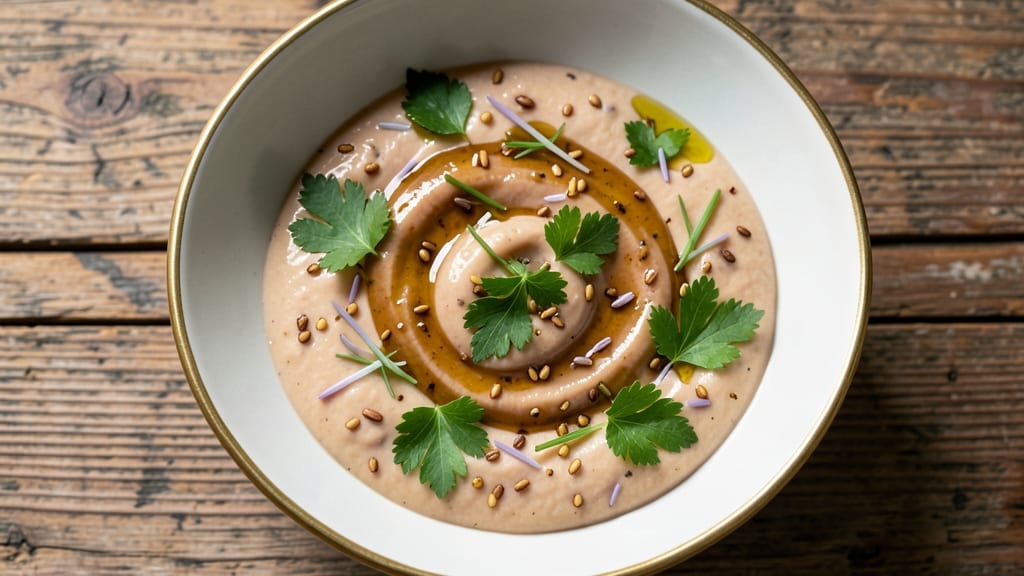
This Asiago salad dressing recipe transforms ordinary greens into a rich, nutty masterpiece with a crispy celery twist that elevates every bite. The secret lies in emulsifying grated Asiago cheese with olive oil and Dijon mustard, creating a velvety base that clings perfectly to salads, pasta, or grilled vegetables.
Unlike traditional Caesar or ranch dressings, this version delivers a sophisticated balance of tangy, creamy, and umami-rich flavors that stand out in any dish.
The dressing's signature texture comes from blending crispy celery seeds with fresh herbs, adding a subtle crunch that contrasts beautifully with the creamy cheese base.
I developed this recipe after realizing how much richer salads tasted when paired with Asiago's bold, nutty profile—it's the kind of dressing that turns simple greens into a gourmet experience without requiring complex techniques. The result? A dressing that's creamy yet light, tangy yet rich, and impossibly versatile.
What makes this recipe truly special is its ability to adapt to any meal, from Caesar salads to roasted vegetables or even as a finishing drizzle for soups. The emulsification process ensures a smooth, clingy texture that won't separate, while the crispy celery twist adds depth that traditional dressings miss.
With just a few simple ingredients and a whisk, you'll have a dressing that tastes like it came straight from a high-end restaurant.
Store it in an airtight container in the refrigerator for up to one week, shaking gently before each use to maintain its creamy consistency. Whether you're dressing up a weeknight salad or impressing guests at dinner, this Asiago salad dressing delivers restaurant-quality flavor with minimal effort. Let's get started!
Ingredients for asiago salad dressing
High-quality ingredients for a velvety dressing with nutty depth and crispy celery brightness.
| Ingredient | Amount | Notes |
|---|---|---|
| Asiago Cheese 🧀 | 1 cup | Freshly grated, fine texture |
| Extra-Virgin Olive Oil 🫒 | ¾ cup | High quality, fruity variety |
| Dijon Mustard 🍯 | 1 tbsp | Mild or strong, your preference |
| Crispy Celery Seeds 🌿 | 1 tsp | Toasted for enhanced flavor |
| Fresh Parsley 🌿 | ¼ cup | Finely chopped stems included |
| Fresh Chives 🌱 | 2 tbsp | Finely chopped for brightness |
| Lemon Juice 🍋 | 1 tbsp | Freshly squeezed, no pulp |
| Garlic Cloves 🧄 | 1 whole | Minced for subtle depth |
| Salt 🧂 | ½ tsp | Diamond Crystal preferred |
| Black Pepper 🌶️ | ¼ tsp | Freshly ground for warmth |
The Asiago cheese is the star—freshly grated from a block makes all the difference. Whole Foods or specialty cheese shops carry the best, but any quality Asiago works. For the celery seeds, toast them lightly in a dry pan for 30 seconds to amplify their flavor. The olive oil should be fruity and extra-virgin—none of that cheap stuff. I usually grab mine from Trader Joe's since they have a great selection at reasonable prices. The herbs? Fresh is non-negotiable—dried just won't cut it here.
No Asiago? Parmesan or pecorino works in a pinch, though the flavor will be slightly different. Substitute white wine vinegar for the lemon juice if you're out, but the dressing will be tangier. The garlic can be omitted if you dislike its flavor, but it adds subtle depth. For a smoother texture, blend the celery seeds with the herbs before adding to the dressing. If you're sensitive to mustard, reduce to 1 teaspoon—it's still effective but less intense.
This dressing keeps beautifully in an airtight container for up to one week in the fridge. Shake gently before each use to re-emulsify. For extra crunch, add a pinch of toasted celery seeds right before serving. The emulsification process means it won't separate, but if it does, whisk vigorously or blend briefly to restore its creamy texture. Portion into small jars for quick grab-and-go dressing—perfect for lunches or last-minute meals.
Why You'll Love This Recipe
- No-Shake Miracle: I swear by this—just whisk three ingredients (plus the grated cheese) until smooth. No blender, no straining, no mess. The Dijon and celery seeds emulsify like magic, and honestly? I’ve made this while microwaving leftovers.
- Umami Bomb: That aged Asiago? It’s the star—nutty, sharp, and just salty enough to make every bite sing. The parsley brightens it up, but the real magic is when the celery seeds add this unexpected crunch that lingers. (Yes, even on a Tuesday night.)
- Salad’s Best Friend: Drizzle it on greens, toss with roasted veggies, or even use it as a dip for crusty bread. I keep a jar in the fridge for when I’m too tired to think, and it never lets me down—whether it’s a quick lunch or a fancy dinner guest.
- Cheap & Lasts: A block of Asiago goes far, and olive oil is my pantry staple. This dressing keeps for over a week, so I make a big batch and forget about it. Between us, I’ve used the last drops on popcorn. (Don’t judge.)
Step-by-step instructions for Asiago salad dressing
This nutty, creamy dressing delivers the perfect balance of rich Asiago flavor and crispy celery depth.
Whisk Cheese and Olive Oil to a Smooth Base
In a medium bowl, combine the 1 cup Asiago Cheese with the 0.75 cup Extra-Virgin Olive Oil. Using a whisk, blend vigorously for 2-3 minutes until the mixture becomes completely smooth and emulsified. The cheese should dissolve evenly without any graininess remaining. This step is critical for achieving that velvety texture that makes this dressing stand out.
I like to work in batches if needed—especially with aged Asiago—which can sometimes be stubborn. If the mixture resists blending, add 1 tablespoon of warm water to help break down the cheese particles. The result should be a pale golden emulsion with no visible cheese flecks.
Incorporate Aromatics and Seasonings
Add the 1 tbsp Dijon Mustard, 1 minced garlic clove, 0.5 tsp Salt, and 0.25 tsp Black Pepper to the cheese mixture. Whisk continuously for 1 minute until fully combined. The Dijon mustard acts as an emulsifier, helping to bind the oil and cheese together while adding a subtle tang that brightens the rich Asiago flavor.
Next, fold in the 1 tsp Crispy Celery Seeds and 1 tbsp Lemon Juice using a rubber spatula. The celery seeds add a delightful nutty crunch that contrasts beautifully with the creamy base, while the lemon juice prevents the dressing from becoming too heavy. Taste and adjust seasoning—you may need a touch more salt or lemon depending on your cheese's saltiness.
Finish with Fresh Herbs for Brightness
Gently stir in the 0.25 cup Fresh Parsley and 2 tbsp Fresh Chives using a folding motion to maintain the emulsion. The herbs should be finely distributed throughout the dressing, adding freshness that cuts through the richness of the Asiago. I always include the parsley stems for extra flavor—just make sure they're finely chopped so they don't overpower the texture.
Let the dressing rest for 10 minutes at room temperature before using. This allows all the flavors to meld together, with the celery seeds releasing their full nutty aroma and the herbs brightening the overall profile. The dressing will thicken slightly as it sits, which is perfect for tossing with salads or drizzling over roasted vegetables.
Adjust Consistency and Serve
Before using, check the consistency. If the dressing is too thick, thin it with 1-2 teaspoons of warm water or extra lemon juice until it reaches a pourable consistency. For a thicker dressing suitable for dipping or drizzling, let it sit for an additional 15 minutes to thicken naturally.
This dressing works beautifully with mixed greens, roasted chicken salads, or as a dip for crusty bread. The crispy celery seeds add an unexpected texture that elevates simple salads to restaurant-quality dishes. Store any leftovers in an airtight container in the refrigerator for up to 5 days, shaking well before each use to redistribute the herbs and seeds.
Pro Tips For Making Asiago Salad Dressing
- GRATE THE CHEESE FINE: I learned this the hard way—lumpy dressing ruins everything. Use a microplane or fine grater for the Asiago, not a box grater. You want it almost powdery, not chunky. Trust me, your salad will taste smoother and richer.
- WHISK THE MUSTARD FIRST: Don’t just toss the Dijon into the oil—whisk it with a splash of warm water (about 1 teaspoon) until fully dissolved. This prevents clumping and ensures the dressing emulsifies like it should. (Yes, even if you’re impatient like me.)
- TOAST THE CELERY SEEDS: Dry-toast the celery seeds in a small pan for 30 seconds before adding them to the dressing. This deepens their nutty flavor and prevents a bitter aftertaste. Skip this, and you’ll just taste raw celery.
- STRAIN THE PARSLEY: Pulse the parsley in a food processor for 5 seconds, then strain it through a fine-mesh sieve. This removes tough stems and gives you a silky, vibrant green dressing instead of a chunky one. (Your future self will thank you.)
Wine and beer pairings for this dish
White Wine Pairings
This Asiago dressing pairs beautifully with crisp, dry white wines that complement its nutty depth and tangy brightness. I always reach for a Chardonnay from California's Sonoma Coast—its citrus notes and subtle oakiness mirror the lemon and celery flavors in the dressing.
The acidity in the wine cuts through the richness of the Asiago, creating a perfect balance. 🍷
For a lighter option, try a Vermentino from Sardinia—its mineral-driven profile and bright citrus lift the dressing's creaminess without overpowering it. Avoid overly oaky Chardonnays or sweet whites, as they'll clash with the dressing's sharpness. A well-chilled glass at 45-50°F enhances the experience.
Light Beer Pairings
A Belgian witbier like Hoegaarden is my go-to beer pairing—its coriander and citrus notes echo the lemon and celery seeds in the dressing. The effervescence cleanses the palate between bites of creamy salad.
For a more robust option, try a German Helles Lager like Weihenstephaner Original, which balances the dressing's richness with its malty sweetness. 🍺
If you prefer hoppier beers, a light American pale ale with 10-15 IBUs (like Sierra Nevada Pale Ale) works surprisingly well—the hop bitterness contrasts the dressing's creaminess. Avoid heavy IPAs or stouts, as their intensity will overpower the delicate flavors.
Red Wine Pairings
For those who prefer red, a Pinot Noir from Oregon's Willamette Valley is ideal—its bright acidity and red fruit notes complement the dressing's nutty profile. The wine's subtle earthiness enhances the Asiago's umami without competing. Serve it slightly cooler than room temperature (55-60°F) to preserve its freshness. 🍇
Avoid bold reds like Cabernet Sauvignon or Syrah, as their tannins and intensity will clash with the dressing's delicate balance. If you must choose a red, opt for a light-bodied Chianti—its acidity and cherry notes provide a harmonious pairing.
Non-Alcoholic Options
For a refreshing non-alcoholic pairing, try sparkling apple cider—its crisp acidity and subtle sweetness mirror the dressing's tangy brightness. I love Martinelli's Sparkling Apple Cider for its effervescence and natural flavors. 🍎
Alternatively, a ginger beer like Feather's adds a spicy kick that contrasts the dressing's creaminess. The ginger's warmth enhances the celery seeds' nutty depth, creating a surprisingly balanced pairing. Serve both drinks well-chilled for the best experience.
Nutrition facts
Frequently asked questions
Can I make this Asiago dressing without Dijon mustard?
Yes, you can substitute 1 tablespoon of white wine vinegar or 1 teaspoon of lemon juice for the Dijon mustard. The vinegar adds tanginess while still helping to emulsify the dressing. For extra creaminess, blend 1 tablespoon of Greek yogurt into the base instead—it’ll keep the texture rich without mustard. The flavor will be slightly different but still delicious!
Why did my dressing separate after storing?
Separation happens when the emulsion breaks, usually from temperature changes or improper storage. To fix it, whisk vigorously or blend briefly to re-emulsify. For prevention, store in an airtight container and keep it refrigerated. If it separates again, add 1 teaspoon of warm water or lemon juice and whisk until smooth. The dressing should come back together with gentle mixing!
What’s the best way to use leftover dressing?
This versatile dressing works beyond salads! Use it as a dip for crusty bread or vegetable sticks, drizzle over grilled chicken or fish, or toss with pasta instead of sauce. For extra flavor, sprinkle with toasted breadcrumbs or crumbled bacon before serving. It also makes a great sandwich spread—just thin it slightly with a splash of water or milk!
Can I make this dressing dairy-free?
Replace the Asiago cheese with 1 cup of nutritional yeast for a nutty, cheesy flavor. Add 2 tablespoons of cashew cream (soaked cashews blended with water) to mimic the creaminess. For extra tang, increase the lemon juice to 2 tablespoons. The texture will be slightly lighter but still rich and flavorful. Store in the fridge for up to 5 days.
How do I adjust the thickness of this dressing?
If your dressing is too thick, thin it with 1-2 teaspoons of warm water or lemon juice at a time until it reaches your desired consistency. For a thicker dressing, let it sit at room temperature for 15-20 minutes—it’ll naturally thicken as the emulsion stabilizes. Avoid adding extra cheese or oil, as this can disrupt the balance of flavors. Always taste and adjust gradually!