
Salads
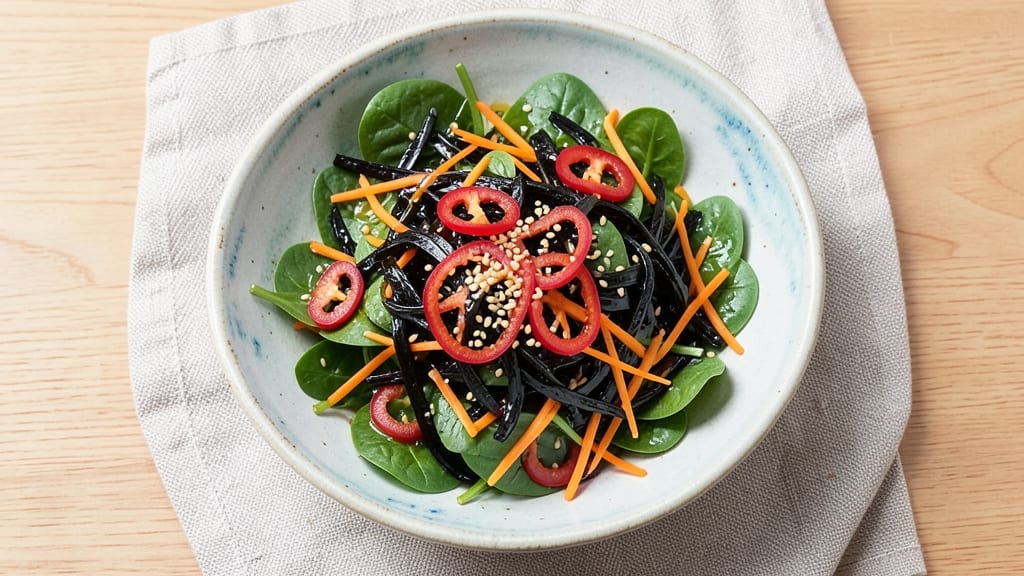
This arame salad recipe delivers a symphony of textures and flavors that transform a simple bowl into a vibrant, umami-rich centerpiece. The secret lies in perfectly rehydrated arame—those delicate, oceanic strands that absorb flavors while maintaining their satisfying crunch.
I developed this recipe after discovering how arame’s natural sweetness and mineral undertones pair beautifully with toasted sesame seeds and a tangy dressing.
What sets this salad apart is the balance of components: tender greens provide freshness, while crisp vegetables and toasted nuts add contrasting textures. The dressing—made with sesame oil, rice vinegar, and a touch of maple syrup—ties everything together with a bright, nutty zing that enhances the arame’s natural depth.
It’s a dish that feels both elegant and effortless, perfect for those who appreciate bold flavors without heavy preparation.
The result is a salad that’s as satisfying as it is visually striking—golden sesame seeds glistening against dark, rehydrated arame strands, all draped in a glossy dressing. This isn’t just a side; it’s a complete dish that holds its own as a light meal or pairs beautifully with grilled proteins.
The technique is straightforward, but the flavor impact is anything but ordinary.
Whether you’re serving it at a dinner party or meal prepping for the week, this arame salad brings a restaurant-quality crunch and umami punch to your table.
The best part? It’s ready in under 30 minutes, with ingredients that are easy to find and even easier to love. Let’s get started.
Ingredients for arame salad
Fourteen ingredients transform into an umami symphony of textures and flavors.
| Ingredient | Amount | Notes |
|---|---|---|
| Dried Arame Seaweed 🌊 | 4 oz | Rehydrated in hot water for 10 minutes |
| Baby Spinach 🌿 | 4 cups | Fresh, loosely packed |
| Shredded Carrots 🥕 | 1 cup | Julienned for even texture |
| Red Bell Pepper 🌶️ | 1 whole | Thinly sliced, seeds removed |
| Toasted Sesame Seeds 🥜 | 2 tbsp | Lightly toasted for nutty aroma |
| Sesame Oil 🫒 | 2 tbsp | Toasted sesame oil preferred |
| Rice Vinegar 🍶 | 3 tbsp | Unseasoned, mild flavor |
| Maple Syrup 🍯 | 1 tbsp | Pure, grade B preferred |
| Soy Sauce 🍜 | 1 tbsp | Low-sodium preferred |
| Sesame Tahini 🥄 | 1 tbsp | 100% sesame paste |
| Fresh Ginger 🧡 | 1 tsp | Finely grated, fresh |
| Lemon Juice 🍋 | 1 tsp | Freshly squeezed |
| Sea Salt 🧂 | ½ tsp | Diamond Crystal preferred |
| Black Pepper 🌶️ | ¼ tsp | Freshly ground |
The arame is the heart of this dish, so source it carefully. Asian markets or specialty grocery stores carry premium dried arame—look for vibrant brown strands without any slimy texture. The Seaweed Spot online or Trader Joe's bulk section are reliable sources. Rehydrating properly is key: use boiling water for 10 minutes, then drain and rinse under cold water to stop cooking. The spinach should be bright green and crisp, while the carrots and bell pepper should be firm and fresh. For sesame seeds, toast them in a dry pan over medium heat until golden—just 2-3 minutes—then cool before adding to the salad.
No sesame oil? Avocado oil or neutral high-heat oil works in a pinch, though it lacks that nutty depth. Substitute maple syrup with agave nectar or coconut sugar syrup if needed, though maple’s caramel notes are ideal. For extra umami, add 1 tsp nutritional yeast to the dressing. The ginger can be omitted if you dislike its sharpness, but it’s worth including for that bright, zesty kick. If you can’t find arame, wakame or kombu are decent substitutes, though the texture will differ slightly. For a crunchier salad, add 1/4 cup toasted peanuts or cashews to the mix.
Store any unused arame in an airtight container in the fridge for up to 1 week, though it’s best used fresh. The dressing keeps for 5 days refrigerated, but the sesame oil may separate—just give it a good shake before using. For meal prep, store the salad components separately: arame, greens, and veggies in one container, dressing in another. Toss everything together just before serving to maintain crispness. This salad reheats poorly, so enjoy it fresh or at room temperature for the best texture.
Why You'll Love This Recipe
- No-Soaking Required: The arame just needs a quick 10-minute soak—no overnight prep, no fuss. Honestly, I’ve tried other seaweed salads that demand hours of soaking, and this one’s a breath of fresh air.
- Umami-Packed Punch: That dried arame? It’s like a little flavor bomb—salty, briny, with a satisfying chew. Pair it with the sweet crunch of shredded carrots and the pepper’s crisp bite, and suddenly, you’ve got a salad that tastes like a full meal.
- Lunchbox Hero: Between us, this is my go-to for work lunches or kids’ school snacks. The sesame seeds add that nutty crunch, and it holds up for days in the fridge—no sad, wilted greens here.
- Budget Meal Upgrade: Spinach, carrots, and bell peppers are cheap staples, but the arame turns them into something special. I’ll be real: it’s the kind of salad that makes a simple dinner feel like a restaurant dish without breaking the bank.
Step-by-step instructions for arame salad with sesame zing
This umami-rich salad balances crisp textures and vibrant flavors through precise technique.
Rehydrate the Arame Seaweed
Combine the 4 oz dried arame seaweed with 2 cups hot water in a heatproof bowl. Let it steep for 10 minutes until the strands soften and expand—you'll see them transform from brittle curls into tender, pliable ribbons. Drain thoroughly using a fine-mesh strainer, pressing gently to remove excess water. The seaweed should retain its shape while becoming pliable enough to hold a dressing.
Here's the thing—proper rehydration prevents a mushy texture. If you notice any sand or debris in the dried seaweed, rinse it briefly under cold water before draining. The arame should now have a deep oceanic aroma and a slightly chewy yet tender bite, ready to absorb the dressing's flavors.
Prepare the Vegetable Base
In a large mixing bowl, combine the 4 cups baby spinach, 1 cup shredded carrots, and 1 whole red bell pepper (thinly sliced). Gently toss everything together with clean hands or a spatula, being careful not to bruise the spinach leaves. The goal is to distribute the vegetables evenly while preserving their individual textures—the crispness of the carrots, the crunch of the bell pepper, and the delicate spinach leaves.
This is where texture matters most. The shredded carrots should be uniformly julienned to prevent any one component from overpowering the salad. If your bell pepper slices are uneven, take an extra 30 seconds to trim and slice them consistently. The base should look vibrant and inviting, with colors ranging from deep green to bright orange and red.
Whisk the Sesame Dressing
In a small bowl, whisk together the 2 tbsp sesame oil, 3 tbsp rice vinegar, 1 tbsp maple syrup, 1 tbsp soy sauce, 1 tbsp sesame tahini, 1 tsp freshly grated ginger, 1 tsp lemon juice, 0.5 tsp sea salt, and 0.25 tsp black pepper. The dressing should emulsify into a smooth, glossy consistency with a rich aroma—think toasted sesame notes mingling with bright citrus and subtle sweetness.
Taste the dressing before adding it to the salad. It should balance sweet, salty, umami, and acidic flavors. If it needs more depth, add a pinch of soy sauce. If it's too thick, thin it with 1 tsp warm water. The dressing is the heart of this salad, so don't rush this step. The tahini and sesame oil work together to create a velvety texture that coats every ingredient.
Assemble and Toss the Salad
Pour the dressing over the vegetable mixture and toss gently but thoroughly with your hands or a spatula. Work in sections if needed to ensure even distribution. The salad should glisten slightly from the dressing while maintaining its distinct textures. Let it sit for 5 minutes to allow the flavors to meld—this resting period is crucial for developing depth.
After resting, give the salad one final toss and sprinkle with the 2 tbsp toasted sesame seeds. These seeds add a final layer of crunch and nutty aroma. Serve immediately while the ingredients are still vibrant and crisp. The contrast of temperatures—cool vegetables with room-temperature dressing—enhances the sensory experience.
Garnish and Serve
Divide the salad among 4 serving plates, garnishing each with an additional sprinkle of sesame seeds and a few thin slices of red bell pepper for visual appeal. The presentation should reflect the salad's vibrant colors and textures—deep greens, bright oranges, and the golden sesame seeds scattered throughout.
This salad holds well for 2-3 hours in the refrigerator, though the arame may soften slightly. For best results, serve immediately after tossing. Pair it with grilled fish or as a refreshing side to complement richer dishes. The balance of umami, sweetness, and acidity makes it a standout dish that's both nutritious and deeply satisfying.
Pro Tips For Making Arame Salad
- SOAK ARAMÉ LONG ENOUGH: Dried aramé needs 15–20 minutes in warm water to soften properly—not the 10 minutes you’ll skim on. I used to eyeball it and end up with chewy strands. Trust the timer, then drain and rinse twice to cut the saltiness.
- TOAST SESAME SEEDS LOW: Sesame seeds burn faster than you think. Spread them on a dry pan over medium-low heat, stirring every 30 seconds until golden—about 2 minutes total. High heat = bitter, smoky mess. Your nose will tell you when they’re done.
- SHRED CARROTS FINE: Skip the food processor for shredded carrots—your salad will turn soggy. Use a box grater or mandoline for thin, even strips. Toss them with a pinch of salt immediately to draw out moisture, then pat dry with a paper towel. (Yes, it’s tedious, but the texture stays crisp.)
- DRESS SPINACH LAST: Baby spinach wilts under dressing like a sad houseplant. Keep it separate until the very end, then fold it in gently. A drizzle of toasted sesame oil right before serving adds flavor without crushing the leaves. Cold spinach = crunchy spinach.
Perfect pairings for this recipe
Protein Pairings
This umami-rich arame salad makes an incredible companion to grilled white fish like cod or halibut, where the delicate flakiness contrasts perfectly with the salad’s chewy arame and crisp vegetables.
I love pairing it with miso-glazed black cod—the sweet-savory glaze mirrors the salad’s sesame notes while balancing the dish’s brightness. 🍣
For a vegetarian option, serve alongside tofu or tempeh marinated in tamari and sesame oil. The protein’s nutty depth complements the salad’s ginger-zing dressing beautifully. If you’re serving at a dinner party, seared scallops with a hint of garlic add a luxurious touch that elevates the entire meal.
Carb Companions
Balance the salad’s bold flavors with steamed jasmine rice or forbidden black rice, which soak up the dressing beautifully. I often serve it with sushi-grade rice for an Asian-inspired meal—just a few bites of rice per person keeps the dish light yet satisfying.
For a heartier option, pair with toasted rice crackers or wonton strips on the side for extra crunch.
Dessert Harmony
End your meal with something light that complements the salad’s umami profile. A matcha sorbet or yuzu sorbet cuts through the richness, while white chocolate-dipped strawberries add a sweet contrast.
For a savory-sweet finish, try miso caramel drizzled over vanilla bean ice cream—the caramel’s depth echoes the salad’s sesame notes. 🍮
Beverage Pairings
A crisp green tea like sencha or jasmine tea enhances the salad’s delicate flavors without overpowering them. For something bubbly, sparkling yuzu soda or ginger beer adds a refreshing zing that mirrors the dressing’s citrus notes.
If you prefer alcohol, a dry Riesling or sake (especially junmai ginjo) pairs beautifully with the umami and sesame complexity.
Seasonal Adaptations
In summer, add cucumber ribbons and edamame for extra freshness, while winter calls for roasted sweet potatoes or pomegranate seeds to add warmth and texture.
For a holiday twist, sprinkle with crystallized ginger or candied walnuts for festive crunch. The salad’s versatility makes it perfect for any season! ❄️
Nutrition facts
Frequently asked questions
Can I use fresh seaweed instead of dried arame?
Fresh seaweed won't work here—the recipe relies on dried arame's unique texture and flavor profile. Dried arame rehydrates beautifully, creating those signature tender yet chewy strands. Fresh seaweed varieties like nori or wakame have different textures and would alter the salad's balance completely. If you can't find arame, wakame is the closest substitute, though it has a slightly firmer bite.
How do I store leftover arame salad?
Store components separately for best results: keep the rehydrated arame, greens, and veggies in one airtight container, and the dressing in another. This prevents sogginess. When ready to eat, toss everything together just before serving. The salad keeps well in the fridge for 2-3 days, though the arame may soften slightly over time. For maximum freshness, enjoy within 24 hours of making it.
What if I don't have sesame oil?
You can substitute with avocado oil or neutral high-heat oil, though you'll lose some of the nutty depth. For a closer flavor match, try toasted almond oil or walnut oil if available. The salad will still taste great, but the dressing will be slightly less complex. If you're avoiding sesame due to allergies, double-check all ingredients—sesame is also in the tahini and seeds.
Can I make this salad ahead of time for a party?
Prepare all components separately and store them in the fridge. Assemble the salad just before serving to maintain crispness. The dressing can be made 1 day ahead—just give it a good shake before using. For a crowd, multiply the ingredients by 2-3x and use larger mixing bowls. This salad is perfect for potlucks because it's naturally refreshing and holds up well for 4-6 hours when properly stored.
Why does my arame turn mushy?
Over-rehydrating or using cold water causes this common issue. Always use hot water for 10 minutes maximum, then drain thoroughly. Press the arame gently between paper towels to remove excess moisture. If you notice sand or debris in your dried arame, rinse it briefly under cold water before rehydrating. The key is achieving tender yet firm strands—this takes practice, but the texture improves with each batch you make!