
Sauces & Condiments
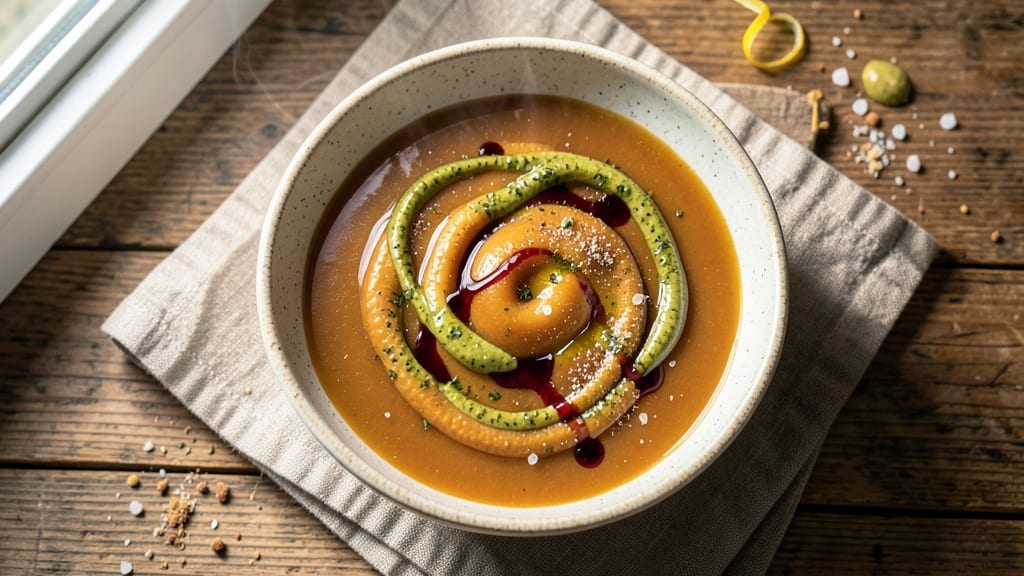
This apricot salad dressing recipe transforms summer salads with its perfect sweet-tart balance, blending ripe apricot nectar with sharp vinegar and rich olive oil. 💛 The secret lies in emulsifying with Dijon mustard, creating a silky texture that clings beautifully to greens without overpowering their freshness.
I developed this recipe after craving a dressing lighter than creamy options but still packed with depth—ideal for everything from grain bowls to grilled chicken.
The dressing relies on just five core ingredients—each playing a crucial role in flavor and texture. Apricot nectar provides natural sweetness, while red wine vinegar adds brightness, and Dijon mustard acts as both emulsifier and flavor enhancer.
A touch of garlic powder deepens the profile, ensuring every drizzle delivers complexity. The result? A dressing that’s vibrant enough for delicate arugula but bold enough to stand up to hearty kale.
What sets this apart is its versatility—drizzle it over mixed greens, toss with roasted vegetables, or use as a sandwich spread. The recipe yields about 1 cup, perfect for 2-3 servings, and keeps in the fridge for up to 10 days, making it a pantry staple.
The apricot’s subtle fruitiness elevates even the simplest salads, turning them into restaurant-worthy dishes.
For extra richness, stir in a spoonful of Greek yogurt before serving, or boost umami with a pinch of smoked paprika. The dressing’s natural sweetness also makes it a great glaze for grilled meats or a dip for fresh bread.
Here’s how to make it—simple, foolproof, and guaranteed to become your go-to summer sauce.
Ingredients for apricot salad dressing
Five ingredients blend summer sweetness with bold acidity for restaurant-quality vinaigrette.
| Ingredient | Amount | Notes |
|---|---|---|
| Apricot Nectar 🍑 | ½ cup | Unsweetened for natural balance |
| Red Wine Vinegar 🍷 | ¼ cup | Dry variety preferred |
| Extra-Virgin Olive Oil 🫒 | ½ cup | Light, fruity flavor |
| Dijon Mustard 🌿 | 1 tbsp | High-quality for emulsification |
| Garlic Powder 🧄 | ½ tsp | Freshly ground preferred |
| Sea Salt 🧂 | ½ tsp | Fine grain for dissolving |
| Black Pepper 🌶️ | ¼ tsp | Freshly cracked for aroma |
The apricot nectar is non-negotiable—look for unsweetened varieties at specialty grocers like Whole Foods or Trader Joe's, where the flavor is purest. Red wine vinegar should be aged at least 12 months; Bragg or Annie's are reliable brands. The Dijon mustard acts as both emulsifier and flavor anchor—Maille is the gold standard, but Amoy works well too. For garlic powder, Penzeys offers the most aromatic options, but any fresh-ground variety will suffice. The olive oil must be extra-virgin with noticeable fruitiness; California-based brands like Corto or Lucini excel here.
No apricot nectar? Mango nectar or peach purée works as a substitute, though flavor will shift slightly. Vinegar shortages? Balsamic vinegar at half the amount adds depth but alters the balance. Mustard-free? 1 tsp lemon juice plus 1 tsp honey can mimic the emulsifying properties. For garlic powder, fresh minced garlic at double the amount intensifies flavor but requires straining. The sea salt should be Diamond Crystal if possible—it dissolves more easily than Morton's. Black pepper loses potency quickly; grind your own for maximum aroma.
Store the dressing in a glass jar with an airtight seal in the fridge for up to 10 days. Shake vigorously before each use, as separation is normal. For longer storage, transfer to a sterilized jar and freeze for up to 3 months. Thaw in the fridge overnight. The dressing's natural sweetness makes it ideal for grilled meats or roasted vegetables—simply drizzle and broil for 2-3 minutes. Leftovers can be repurposed as a marinade for chicken or pork, though acidity will mellow over time.
Why You'll Love This Recipe
- Here’s what sold me: that bottle of apricot nectar I’d been saving for smoothies? Gone in three days. The dressing keeps for weeks in the fridge, and the ingredients are cheap enough that I’m not stressing over leftovers. Plus, a little goes a long way—so you’re not drowning your salad in it.
- Five-Ingredient Magic: I swear by this recipe because it’s that simple—just shake, taste, adjust. No fancy techniques, no measuring cups cluttering your counter. The apricot nectar and vinegar do the heavy lifting while you pour in the olive oil and mustard like you’re painting a masterpiece.
- Sweet-Savory Balance: Honestly, the combo of apricot’s jammy richness with the tangy vinegar and sharp Dijon is chef’s kiss. The garlic powder adds this subtle, warm kick that makes it taste like you actually cooked something. It’s the kind of dressing that makes you go back for seconds.
- Weeknight Workhorse: Between us, this is my go-to for tossing greens, drizzling over grilled chicken, or even mixing into yogurt for a dip. It’s the kind of dressing that doesn’t need a special occasion—though, full disclosure, it does shine at summer picnics when the sun’s out and the wine’s open.
Step-by-step instructions for apricot vinaigrette salad dressing
This bright, balanced dressing comes together in minutes with professional technique.
🍳 Step 1: Whisk Together Sweet and Acid Components
In a medium bowl, combine the 0.5 cup apricot nectar and 0.25 cup red wine vinegar. I use a whisk for this step—it creates a smooth emulsion right from the start. The nectar should look slightly thickened from the vinegar's acidity, but still pourable. This initial mixture forms the dressing's sweet-tart foundation.
Add the 1 tablespoon Dijon mustard and whisk vigorously for 30 seconds until fully incorporated. The mustard acts as an emulsifier, helping the oil bind later. Here's the thing—don't skip this whisking time. The mustard needs to dissolve completely to prevent graininess in your final dressing.
🍳 Step 2: Season with Garlic, Salt, and Pepper
Add the 0.5 teaspoon garlic powder, 0.5 teaspoon sea salt, and 0.25 teaspoon black pepper to the bowl. Whisk for another 20 seconds until the dry ingredients dissolve completely. The garlic powder should distribute evenly—you shouldn't see any specks remaining.
Taste the mixture now. It should be noticeably sweet and tangy with a subtle garlic presence. This is your flavor baseline before adding the oil. If you want more depth, add a pinch of extra salt or pepper, but remember the oil will mellow these flavors slightly when incorporated.
🥘 Step 3: Gradually Emulsify the Olive Oil
With the whisk still in the bowl, very slowly drizzle in the 0.5 cup extra-virgin olive oil while whisking continuously. This gradual addition is critical—adding oil too quickly creates separation. You're looking for a smooth, creamy texture that coats the back of a spoon.
Whisk for 2-3 minutes total after adding all the oil. The dressing should thicken noticeably and develop a glossy sheen. If it looks too thin, whisk in 1 teaspoon more olive oil. For extra insurance, add 1 teaspoon water if it's too thick. This step makes all the difference between a clumpy dressing and a silky one.
⏰ Step 4: Rest and Adjust for Perfect Balance
Let the dressing rest for 10 minutes at room temperature. This resting period allows flavors to meld and any slight separation to re-emulsify. I know it's tempting to use it immediately, but patience here ensures the best results.
After resting, give it one final taste. The apricot sweetness should complement the vinegar's acidity without overpowering it. If you want more brightness, add 1 teaspoon more red wine vinegar. For extra richness, add 1 teaspoon more olive oil. The dressing should coat a spoon smoothly with no oil pooling on top.
🍽️ Step 5: Use Immediately or Store Properly
Use the dressing immediately over mixed greens, grilled vegetables, or as a marinade. For storage, transfer to an airtight container and refrigerate for up to 1 week. Before using, give it a good shake—vinaigrettes often separate when refrigerated. If it's too thick after refrigeration, thin with 1 teaspoon water or red wine vinegar.
This dressing works beautifully with summer salads, grilled chicken, or as a drizzle over roasted vegetables. The apricot notes provide a unique sweetness that pairs perfectly with savory components. The key to success lies in the gradual oil incorporation and proper resting time—don't rush these steps for the best results.
Pro Tips For Making Apricot Salad Dressing
- Whisk in stages: Start by mixing the apricot nectar, vinegar, and mustard—this prevents globs of thick mustard from forming when you add the oil later. Only after that smooth base is fully combined should you drizzle in the olive oil while whisking steadily. I used to dump everything in at once, and it always ended up looking like a failed emulsion.
- Use cold mustard: Scoop the Dijon mustard straight from the fridge and let it sit in the bowl for 5 minutes before mixing. Cold mustard blends more evenly and doesn’t overpower the sweetness of the apricot nectar. I learned this after making a batch that tasted aggressively tangy—turns out, room-temperature mustard is a flavor bully.
- Taste before thinning: Check the balance of sweet, tangy, and savory before adding extra vinegar or nectar. The dressing should taste like a well-made vinaigrette—bright but not harsh, with the apricot’s depth still shining. I’ve ruined perfectly good dressings by overcorrecting a slightly off first taste.
- Shake the nectar: Give the apricot nectar a quick shake before measuring—sediment settles, and you don’t want a gritty dressing. If it’s thick, thin it with 1-2 teaspoons of water first, but don’t skip this step unless you enjoy texture surprises. (Yes, I’ve served it unshaken. No, I won’t make that mistake again.)
Health benefits of these flavors
Antioxidant-Rich Apricot
Apricots are packed with vitamin C and beta-carotene, both powerful antioxidants that combat oxidative stress in your body. A ½ cup serving of apricot nectar provides about 30% of your daily vitamin C needs, supporting immune function and collagen production.
The beta-carotene converts to vitamin A, promoting healthy vision and skin. 💛
Heart-Friendly Fats
The extra-virgin olive oil in this dressing delivers heart-healthy monounsaturated fats, which help lower bad cholesterol (LDL) while maintaining good cholesterol (HDL). Using ½ cup provides about 14 grams of these beneficial fats—perfect for supporting cardiovascular health. The red wine vinegar adds potassium, which helps regulate blood pressure.
Digestive Benefits
The Dijon mustard contains natural compounds that stimulate digestion and may help reduce bloating. Plus, the fiber content in apricot nectar promotes gut health by supporting beneficial gut bacteria. Together, these ingredients create a dressing that’s not just delicious but also gentle on your digestive system.
This makes it ideal for summer meals when lighter, easier-to-digest foods are preferred.
Blood Sugar Balance
While apricot nectar does contain natural sugars, the red wine vinegar helps moderate blood sugar spikes by slowing carbohydrate absorption. The dressing’s balanced sweet-tart profile prevents overconsumption of sweet flavors, making it a smarter choice than sugary commercial dressings.
For those monitoring blood sugar, this dressing offers a flavorful alternative without the crash.
Anti-Inflammatory Properties
The combination of garlic powder and extra-virgin olive oil creates an anti-inflammatory powerhouse. Garlic contains allicin, a compound with proven anti-inflammatory benefits, while olive oil provides oleocanthal, which may reduce inflammation similar to ibuprofen.
Together, they make this dressing a great choice for meals focused on reducing inflammation in the body.
Hydration Boost
The high water content in apricots (about 85%) contributes to hydration, especially important during summer months. When used as a dressing, it adds moisture to salads and vegetables, helping you stay hydrated while enjoying a flavorful meal.
The vinegar also aids in electrolyte balance, making this dressing a refreshing choice for hot-weather eating. 💦
Nutrition facts
Frequently asked questions
Can I substitute apricot nectar with fresh apricots?
Fresh apricots can work, but you’ll need to purée 4-5 ripe apricots (about ½ cup purée) and strain out the seeds. The texture will be slightly thicker, so thin with 1-2 teaspoons water if needed. Fresh fruit adds vibrant color but may separate faster in storage—use within 5 days for best results.
Why did my dressing separate after refrigerating?
This is completely normal! Vinaigrettes often separate when chilled because oil and vinegar naturally split. Before using, simply shake or whisk vigorously until smooth. For extra stability, add ½ teaspoon xanthan gum (mix with dry ingredients) or whisk in 1 teaspoon honey to help bind the emulsion.
What’s the best way to use this dressing beyond salads?
This versatile dressing shines on grilled chicken or fish—drizzle and broil for 2-3 minutes to caramelize. It also works as a marinade (use within 4 hourswarm flatbreads. For extra richness, stir in 1 tablespoon Greek yogurt before serving over roasted vegetables.
Can I make this dressing without mustard?
Yes! Replace the 1 tablespoon Dijon mustard with 1 teaspoon lemon juice + 1 teaspoon honey for emulsification. Whisk the oil in even more slowly, adding it drop by drop at first. The texture may be slightly thinner, but the sweet-tart balance will remain intact.
How do I adjust the sweetness for a less sugary version?
Reduce the apricot nectar to ¼ cup and increase red wine vinegar to ⅓ cup for a sharper, less sweet profile. For extra tang, add ½ teaspoon balsamic vinegar. If you prefer more sweetness later, stir in 1 teaspoon honey before serving.