
Sauces & Condiments
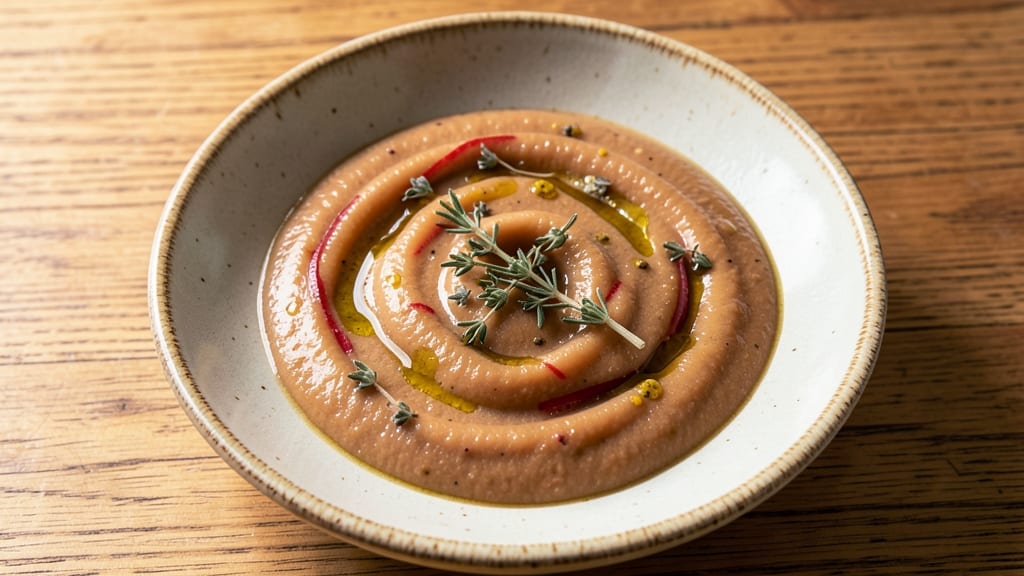
This applesauce salad dressing recipe transforms a simple pantry staple into a creamy, naturally sweet dressing that elevates every salad without added sugar.
The secret lies in blending applesauce with tangy vinegar and oil to create a smooth, emulsified sauce that clings beautifully to greens, coleslaw, or even as a dip for veggie sticks.
I developed this recipe after craving a lighter alternative to store-bought dressings—one that delivers bright, balanced flavor without refined sugar or artificial ingredients.
The magic happens when you combine unsweetened applesauce with Dijon mustard for depth, apple cider vinegar for tang, and olive oil for richness. A pinch of salt and a sprinkle of dried herbs (like thyme or rosemary) add complexity, while a squeeze of lemon juice brightens the flavor.
This dressing is foolproof—no special equipment needed, just a blender or whisk—and stays fresh in the fridge for up to a week, making it perfect for meal prep.
What sets this dressing apart is its versatility. Toss it with crisp greens for a sweet-tangy contrast, mix it into coleslaw for a creamy twist, or use it as a dip for roasted vegetables.
The natural sweetness from the applesauce balances the acidity, creating a harmonious flavor profile that’s both refreshing and satisfying. Unlike store-bought versions, this one is free from preservatives and packed with real ingredients.
For an extra boost, stir in fresh herbs like dill or parsley before serving, or adjust the sweetness by adding a touch more applesauce if desired. The dressing’s smooth texture makes it ideal for drizzling, and its mild sweetness pairs well with savory dishes.
Ready in just 5 minutes, this recipe is a game-changer for anyone looking to add a healthier, homemade touch to their meals.
Ingredients for applesauce salad dressing
Eight simple ingredients create this naturally sweet, emulsified dressing perfect for salads and dips.
| Ingredient | Amount | Notes |
|---|---|---|
| Unsweetened Applesauce 🍎 | ¾ cup | Smooth texture preferred for emulsification |
| Extra-Virgin Olive Oil 🫒 | ½ cup | High-quality for balanced flavor |
| Apple Cider Vinegar 🍎 | ¼ cup | Raw and unfiltered for depth |
| Dijon Mustard 🌶️ | 1 tbsp | For emulsification and tang |
| Fresh Lemon Juice 🍋 | 1 tbsp | Brightens and balances sweetness |
| Dried Thyme 🌿 | ½ tsp | Or fresh thyme at 1 tsp chopped |
| Sea Salt 🧂 | ½ tsp | Diamond Crystal preferred |
| Black Pepper 🌶️ | ¼ tsp | Freshly ground for aroma |
| Fresh Dill or Parsley 🌿 | 1 tbsp | Chopped for garnish (optional) |
The applesauce selection is critical—unsweetened varieties ensure no added sugar, while smooth textures blend more seamlessly. Mott's or Whole Foods brand are reliable choices, but any unsweetened version works. For the olive oil, California extra-virgin varieties like Corto or Lucini provide the best balance of fruitiness and neutrality. Apple cider vinegar should be raw and unfiltered for optimal depth of flavor, available at specialty stores or well-stocked grocery chains like Whole Foods or Trader Joe's. The Dijon mustard acts as the emulsifier, so high-quality brands like Maille ensure a stable dressing with rich flavor.
No Dijon mustard? Whole-grain mustard thinned with water works in a pinch, though flavor may differ slightly. Substitute apple cider vinegar with white wine vinegar or rice vinegar, though apple cider provides the best complementary sweetness. Fresh herbs like dill or parsley can be omitted if unavailable, but dried thyme can be increased to 1 teaspoon for a similar earthy note. For a tangier dressing, add an extra 1/2 tablespoon of lemon juice. The dressing's consistency can be adjusted by adding 1-2 tablespoons of water if too thick, or a bit more applesauce if too thin.
Store the dressing in an airtight container in the refrigerator for up to 7 days, though it's best used within 5 days for optimal freshness. The emulsified texture may separate slightly over time—simply whisk or shake before use. For longer storage, transfer to a sterile glass jar and refrigerate. The dressing pairs beautifully with green salads, roasted vegetables, and coleslaw, and its mild sweetness complements savory dishes like grilled meats or cheesy casseroles. Portion into small containers for easy meal prep and use within the week for peak flavor.
Why You'll Love This Recipe
- No-Fuss Pantry Staples: I swear by this because it uses things I already have—no special shopping trips. The applesauce thickens it just right, the apple cider vinegar cuts through richness, and the Dijon mustard adds that little tang without extra effort.
- Bright Tangy Magic: That lemon juice and vinegar combo? It’s the secret weapon. The applesauce keeps it creamy but never heavy, while the olive oil gives it a silky finish that clings to greens like a dream.
- Lunchbox to Dinner Party: Honestly, this dressing works everywhere. Drizzle it on a quick chicken salad for lunch, toss it with roasted veggies for a dinner party side, or even use it as a dip—no one will question why it’s so good.
- Lasts All Week: Between us, I make a big batch on Sunday and it’s still perfect by Friday. The applesauce prevents it from separating, and the vinegar keeps it fresh longer than most store-bought dressings I’ve tried. Budget-friendly and foolproof.
Step-by-step instructions for applesauce salad dressing
This method delivers a perfectly balanced dressing with natural sweetness and rich depth.
Whisk Together the Base Ingredients
In a medium bowl, combine the 0.75 cup unsweetened applesauce, 0.5 cup extra-virgin olive oil, and 0.25 cup apple cider vinegar. The applesauce provides natural sweetness while the vinegar adds necessary acidity for balance. Use a whisk to blend thoroughly until the mixture appears smooth and homogeneous.
I like to start with the applesauce first because it helps emulsify the oil and vinegar more effectively. The texture should be velvety rather than grainy—this indicates proper incorporation. If you notice any separation at this stage, don't worry; we'll address that in the next step.
Incorporate the Emulsifiers and Seasonings
Add the 1 tablespoon Dijon mustard, 1 tablespoon fresh lemon juice, 0.5 teaspoon dried thyme, 0.5 teaspoon sea salt, and 0.25 teaspoon black pepper to the bowl. The Dijon mustard acts as a natural emulsifier, helping the oil and vinegar blend smoothly. Whisk vigorously for 1-2 minutes until the mixture thickens slightly and becomes creamy.
The lemon juice brightens the flavors while cutting through the sweetness of the applesauce. The thyme adds an earthy depth, and the salt and pepper enhance all the other components. You'll know it's working when the dressing takes on a glossy sheen and holds its shape when drizzled from a spoon.
Adjust Consistency and Taste
Taste the dressing and adjust the seasoning if needed. If it tastes too sweet, add a splash more of the apple cider vinegar—about 1 teaspoon at a time—to balance the flavors. For a thinner consistency, gradually add 1-2 tablespoons of water while whisking continuously. For a thicker dressing, let it sit for 5-10 minutes to allow the ingredients to fully meld.
This is where the magic happens—the dressing should coat the back of a spoon without being overly thick. The texture should be smooth and velvety, with no graininess from the applesauce. If it separates slightly, simply whisk again until it recombines. The natural sweetness from the applesauce should be present but not overpowering.
Garnish and Store
Stir in the 1 tablespoon chopped fresh dill or parsley just before serving. This adds a fresh, vibrant finish that complements the dressing's depth. The herbs should be finely chopped to distribute evenly without overwhelming the flavor profile. Transfer the dressing to a clean jar or airtight container.
For best results, refrigerate the dressing for at least 30 minutes before using. This allows the flavors to fully develop and the texture to stabilize. The dressing will keep in the refrigerator for up to 1 week, making it perfect for meal prep. Give it a good shake before each use to ensure even distribution of the ingredients.
Pro Tips For Making Applesauce Salad Dressing
- Whisk in stages: Start by mixing the applesauce, Dijon, and lemon juice—this keeps the mustard from curdling the sauce right away. Then drizzle in the olive oil and vinegar slowly while whisking; stopping halfway lets you taste and adjust the tanginess before committing to the full vinegar amount.
- Chill before serving: Let the dressing sit in the fridge for at least 30 minutes after mixing. The flavors meld better when cold, and the texture thickens slightly—no more runny surprises when you toss that salad. (Yes, even if you’re impatient like me.)
- Use room-temp applesauce: Cold applesauce makes the dressing clump like glue. Scoop it out of the fridge 10 minutes before mixing, or even better, keep a jar on the counter for repeat uses. Smooth consistency = no weird texture battles later.
- Balance the oil first: The olive oil is your flavor anchor—don’t skimp on the ¼ cup to ⅓ cup mark. If the dressing tastes flat, it’s not enough; if it’s greasy, you’ve overdone it. Taste as you go, and adjust the vinegar or lemon afterward to fix the balance. (No guessing.)
Regional styles of this applesauce salad dressing
New England Sweet-Tangy
In New England, applesauce dressing gets a hearty twist with the addition of 1 tbsp maple syrup and ½ tsp cinnamon to enhance the autumnal flavors. I like to use local Vermont maple syrup for that rich, caramel-like depth.
This variation works especially well with crisp apple salads or as a dip for roasted squash. 🍎
Southern Smoky BBQ Twist
For a Southern-inspired version, swap the thyme for ½ tsp smoked paprika and add 1 tsp honey (or maple syrup for vegan option) to complement BBQ flavors. A dash of hot sauce (like Crystal or Tabasco) adds a subtle kick.
This dressing pairs perfectly with pulled pork sandwiches or as a tangy topping for baked beans. 🔥
Pacific Northwest Herb-Forward
West Coast cooks often favor fresh herbs in their dressings, so this version calls for 1 tbsp chopped fresh rosemary and 1 tbsp chopped fresh tarragon instead of thyme.
Add 1 tsp grated ginger for a zesty lift. This bright, herbal dressing shines on mixed greens with avocado or as a marinade for grilled salmon. 🌿
Midwest Apple-Cider Classic
In the Midwest, where apple orchards thrive, this dressing becomes a staple with the addition of 2 tbsp apple cider reduction (simmer ¼ cup apple cider until reduced by half).
The concentrated flavor adds depth without extra sweetness. I often serve this with hearty salads featuring kale, Brussels sprouts, or roasted root vegetables. 🍏
Southwest Chipotle Heat
For a smoky, spicy kick, blend in ½ tsp chipotle powder and ¼ tsp ground cumin. A splash of lime juice (instead of lemon) adds brightness. This version works wonderfully with Southwestern salads featuring black beans, corn, and avocado. The heat balances the sweetness beautifully. 🌶️
Italian Herb-Infused
An Italian-inspired take replaces thyme with ½ tsp dried oregano and ½ tsp dried basil. Add ½ tsp garlic powder for extra depth. This dressing pairs perfectly with caprese salads, antipasto platters, or as a dip for grilled vegetables. The herbs add a familiar Mediterranean touch. 🌿
Nutrition facts
Frequently asked questions
Can I make this dressing without Dijon mustard?
Yes! If you don't have Dijon mustard, use 1 tablespoon whole-grain mustard thinned with 1 teaspoon water to mimic its emulsifying properties. For a tangier alternative, add an extra ½ teaspoon of apple cider vinegar or a pinch of smoked paprika for depth. The texture may be slightly less stable, so whisk vigorously for 2-3 minutes to help it emulsify.
How do I fix a dressing that separates?
Separation happens when oil and liquid split, but it’s easily fixed! Simply whisk or shake the jar vigorously for 30-60 seconds until the dressing recombines. For extra insurance, add ½ teaspoon of Dijon mustard or a splash of cold water while whisking. Store it in the fridge for 10 minutes before using again to let flavors rebalance.
What’s the best way to store leftovers?
Transfer the dressing to an airtight glass jar and refrigerate for up to 7 days. The emulsified texture may thicken slightly in the fridge—just shake or whisk before use. For longer storage, freeze in ice cube trays (portion-sized) for up to 3 months. Thaw overnight in the fridge and whisk to restore smoothness.
Can I use this dressing for non-salad dishes?
This versatile dressing works as a marinade for grilled chicken or tofu, a dip for veggie sticks or fries, or even a glaze for roasted vegetables. Its natural sweetness and tang pair well with savory flavors. For marinades, reduce the oil slightly (¼ cup) to prevent excess greasiness when cooking.
Why does my dressing taste too sweet?
The applesauce’s natural sweetness can overpower if the vinegar isn’t balanced. Fix it by adding 1-2 teaspoons of apple cider vinegar at a time, whisking well after each addition. For a quicker fix, stir in ½ teaspoon of lemon juice to brighten the flavors. Taste as you go—acidity should match the sweetness for harmony.