
Sauces & Condiments
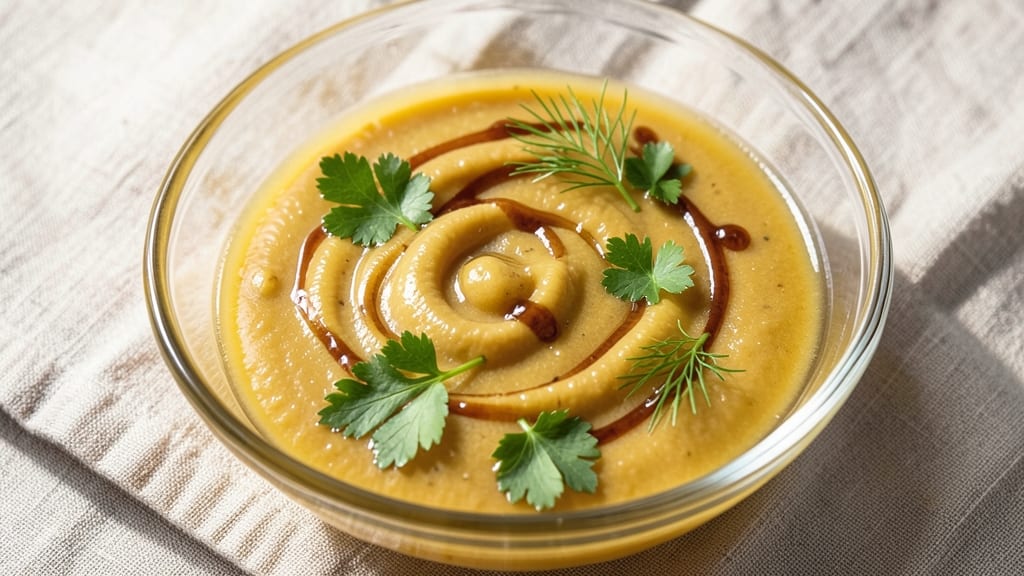
This apple cider vinegar and oil salad dressing recipe delivers a perfectly balanced blend of tangy sharpness and fresh herb notes that elevate every bite.
The secret lies in the ratio of vinegar to oil—just enough acidity to brighten greens without overpowering, while a touch of Dijon mustard ensures a smooth, emulsified texture that clings beautifully.
I developed this version after testing countless combinations, and it’s become my go-to for everything from crisp romaine salads to hearty grain bowls.
The dressing starts with a simple base of apple cider vinegar and extra-virgin olive oil, but the real magic happens in the flavorings. Fresh herbs like parsley and dill add brightness, while a hint of maple syrup (or agave for a vegan option) balances the acidity.
A pinch of garlic powder and onion powder deepens the flavor without overwhelming, and a sprinkle of sea salt ties everything together. The result? A dressing that’s bold enough to stand up to robust ingredients but versatile enough for delicate greens.
What makes this recipe truly practical is its long shelf life—store it in an airtight jar in the fridge for up to two weeks, and it only gets better as the flavors meld.
The emulsified texture holds up perfectly, so you won’t find oil separation or graininess, even after days of storage.
Whether you’re drizzling it over a fresh garden salad, tossing it with roasted vegetables, or using it as a marinade, this dressing adds a bright, tangy lift that transforms simple dishes into something special.
For extra depth, try adding a splash of lemon juice or a dash of smoked paprika, but the classic version is foolproof and always delicious. The key is adjusting the ratios to taste—start with equal parts vinegar and oil, then tweak the herbs and sweetener until it’s just right.
This is the kind of dressing that makes healthy eating feel indulgent, and it’s so easy to make that you’ll never buy store-bought again.
Ingredients for apple cider vinegar and oil salad dressing
Eight simple ingredients transform into a dressing that brightens every salad.
| Ingredient | Amount | Notes |
|---|---|---|
| Apple Cider Vinegar 🍎 | ½ cup | Raw, unfiltered preferred |
| Extra-Virgin Olive Oil 🫒 | ½ cup | Light or fruity variety |
| Fresh Parsley Leaves 🌿 | ¼ cup | Chopped, stems removed |
| Fresh Dill Leaves 🌿 | ¼ cup | Chopped, stems removed |
| Maple Syrup 🍁 | 1 tbsp | Grade B for depth |
| Dijon Mustard 🌶️ | 1 tbsp | Vegan-certified preferred |
| Garlic Powder 🧄 | ½ tsp | Freshly ground preferred |
| Onion Powder 🧅 | ½ tsp | Not onion salt |
| Sea Salt 🧂 | ½ tsp | Fine grain preferred |
| Black Pepper 🌶️ | ¼ tsp | Freshly ground preferred |
The apple cider vinegar is the heart of this dressing—raw, unfiltered adds that complex tang you can't get from white vinegar. I grab mine from Trader Joe's or Whole Foods bulk bins since those brands keep their acidity balanced. For the olive oil, light or fruity varieties work best—the peppery, robust oils can overpower the delicate herbs. Fresh herbs are non-negotiable here; dried just won't cut it. If you're using Grade B maple syrup, you'll notice that deeper caramel flavor that rounds out the acidity perfectly—worth the extra dollar at Costco or your local maple syrup shop.
No Dijon mustard? Yellow mustard at double the amount works in a pinch, but the Dijon's smoothness is key for that emulsified texture. Short on fresh herbs? Dried parsley or dill at one-third the amount gets you close, though it loses some brightness. Want to make this vegan? Swap maple syrup for agave nectar—same sweetness, different flavor profile. The garlic and onion powders are easy to adjust: start with half and taste, then add more if needed. Smoked paprika is my secret weapon for adding depth without overpowering, but it's optional if you're keeping it classic.
This dressing keeps for 2 weeks in the fridge, and honestly tastes better after a day or two as the flavors meld. Store it in a glass jar with a tight seal—plastic can absorb the vinegar's acidity over time. For single servings, I portion mine into small jars or ice cube trays. Freezes beautifully for 3 months too, though the texture gets slightly thicker after thawing. Always shake well before using—it separates slightly, but comes back together perfectly. The emulsified texture is what makes this dressing restaurant-quality at home.
Why You'll Love This Recipe
- This is my go-to for everything: quick grain bowls, lazy salads, or even drizzled over roasted veggies. (Yes, even on a Tuesday night.) It keeps well in the fridge for a week, so I make a big batch and forget about it—no last-minute shopping or stressing over what to toss on a salad.
- No Fuss, No Mess: I swear by this dressing because it’s literally four ingredients and a shake. No blender, no straining, no cleanup—just pour, whisk, and go. The maple syrup gives it that perfect balance of tang and sweetness without overpowering, and honestly? I’ve made it wrong three times (too much vinegar, once), but it still tasted good.
- Bright Tang You’ll Crave: That first bite of fresh dill and parsley with the sharp kick of apple cider vinegar? It’s like a wake-up call for your taste buds. The olive oil softens the acidity just enough to make it ridiculously addictive—way better than store-bought dressings that taste like sad, watered-down vinegar.
- Weeknight Workhorse: This is my go-to for everything: quick grain bowls, lazy salads, or even drizzled over roasted veggies. (Yes, even on a Tuesday night.) It keeps well in the fridge for a week, so I make a big batch and forget about it—no last-minute shopping or stressing over what to toss on a salad.
Step-by-step instructions for apple cider vinegar and oil salad dressing
Here's how to blend this bright, herb-forward dressing that keeps perfectly for days.
Whisk Together the Liquid Base
In a medium bowl, combine the 0.5 cup apple cider vinegar and 0.5 cup extra-virgin olive oil. I like to use a whisk for this step—it creates a light, emulsified texture right from the start. The vinegar should cut through the oil beautifully, creating a smooth foundation before adding any other ingredients.
If you're using raw, unfiltered apple cider vinegar, you'll notice tiny particles settling at the bottom. That's normal and actually adds depth of flavor. Give the mixture a quick stir to distribute those particles evenly before moving to the next step.
Add Sweetness and Depth with Maple Syrup and Mustard
To the vinegar-oil mixture, add the 1 tablespoon maple syrup and 1 tablespoon Dijon mustard. The maple syrup balances the vinegar's acidity with just the right amount of sweetness, while the mustard adds a subtle tang and helps thicken the dressing slightly. Whisk everything together until fully combined—you should see the mixture begin to emulsify as the mustard works its magic.
Here's where it gets interesting: the mustard also helps the dressing cling to salad greens better. If you're making this ahead of time, this step is what prevents separation later. I always let the mixture sit for 2 minutes after whisking to let the flavors meld before adding the herbs.
Incorporate the Fresh Herbs
Add the 0.25 cup chopped fresh parsley leaves and 0.25 cup chopped fresh dill leaves to the bowl. The parsley brings bright, clean freshness while the dill adds a more complex, slightly tangy note. Use a fork to gently fold the herbs into the dressing—you don't want to overmix or you'll bruise the leaves and make the dressing bitter.
I like to press the herbs against the side of the bowl with the fork to release their essential oils. This step is where the dressing really comes alive with flavor. If you're using stems, make sure they're completely removed—they'll make the dressing too fibrous. The herbs should be evenly distributed throughout the dressing at this point.
Season with Spices and Salt
Finally, add the 0.5 teaspoon garlic powder, 0.5 teaspoon onion powder, 0.5 teaspoon sea salt, and 0.25 teaspoon black pepper. These spices add layers of savory depth that complement the bright acidity of the vinegar. Whisk everything together until the salt and pepper are completely dissolved and the dressing looks smooth and cohesive.
Taste the dressing at this point—you might find it needs a touch more salt or a splash of vinegar to balance the flavors. Remember, the herbs will mellow slightly as they sit, so don't be afraid to season generously now. The dressing should be tangy, herby, and just slightly sweet with a savory finish.
Let It Rest and Shake Before Using
Cover the bowl and let the dressing rest at room temperature for at least 30 minutes—this allows all the flavors to fully meld together. If you're in a hurry, you can use it immediately, but the flavors will develop more over time. Before using, give the dressing a good shake or stir, as the herbs might settle at the bottom.
This dressing keeps beautifully in the refrigerator for up to 1 week when stored in an airtight container. The flavors actually improve with time, becoming more complex and well-balanced. I always make a double batch—it disappears faster than you'd think!
Pro Tips For Making Apple Cider Vinegar And Oil Salad Dressing
- Whisk in Stages: Pour half the oil first, then the vinegar, then the rest of the oil—this keeps the dressing from breaking into a greasy mess. I learned this the hard way after shaking a jar for 10 minutes and still ending up with separation.
- Use Cold Vinegar: Chill the apple cider vinegar in the fridge for 15 minutes before mixing—it emulsifies better with the oil and keeps the dressing from getting too warm. Cold ingredients also slow down the herbs from turning bitter right away.
- Chop Herbs Coarse: Roughly tear the parsley and dill instead of mincing them—tiny pieces release bitterness faster and make the dressing taste medicinal. A few bigger stems add texture and keep the flavors balanced longer.
- Sweeten Last: Add the maple syrup after everything else, then give it one final stir—this lets the sweetness mellow out instead of hitting you right away. If you add it too soon, the syrup can make the vinegar taste sharper than intended.
Dietary considerations for this apple cider vinegar and oil salad dressing
Vegan-Friendly Adaptations
This dressing is already vegan, but I make a few tweaks to ensure it stays that way. The maple syrup provides natural sweetness without animal products—just ensure it’s labeled vegan (most are).
For the Dijon mustard, I always check the label to confirm it’s vegan-certified, as some brands contain honey or other animal-derived ingredients. If you’re unsure, yellow mustard works as a substitute, though it’s slightly less refined. 🌱
Gluten-Free Considerations
Since the recipe relies on Dijon mustard and powdered spices, double-check that your mustard is gluten-free. Most store-bought Dijon mustards are naturally gluten-free, but cross-contamination can occur. For extra safety, I use gluten-free certified mustard brands like Annie’s.
The rest of the ingredients—vinegar, oil, herbs, and maple syrup—are inherently gluten-free, so no additional substitutions are needed. Always verify labels, though, as brands can change formulations. ✨
Allergen-Free Options
This dressing is free from common allergens like dairy, eggs, and nuts, making it safe for most people with allergies. However, if you’re sensitive to mustard, simply omit it and increase the maple syrup to 1.5 tablespoons to compensate for the lost tang.
For those avoiding sulfites, which can be present in some vinegars, opt for a certified sulfite-free apple cider vinegar like Bragg Organic. The herbs and spices are also allergen-friendly, so no further adjustments are needed. 💛
Low-Sugar Versions
If you’re watching your sugar intake, reduce the maple syrup to ½ tablespoon or swap it for powdered monk fruit sweetener (use half the amount). The dressing will still taste balanced, though the sweetness will be more subtle.
For added depth, a pinch of smoked paprika (¼ teaspoon) enhances the smoky notes without sugar. Taste as you go—sometimes a splash of extra vinegar can help balance the acidity if the sweetness is too mild. 🍎
Storage for Dietary Needs
For those with dietary restrictions, storing this dressing properly is key. Keep it in a glass jar with an airtight seal in the fridge for up to 2 weeks. The vinegar’s acidity helps preserve it naturally, but always shake before use—herbs may settle.
If you’re prepping for meal prep, portion into small containers to avoid contamination. For freezer storage, use freezer-safe jars and thaw in the fridge overnight. The texture remains stable, though it may thicken slightly. 🧊
Nutrition facts
Frequently asked questions
Can I use white vinegar instead of apple cider vinegar?
While white vinegar will work, it lacks the complex, slightly sweet depth of apple cider vinegar. The apple cider variety adds subtle fruit notes and a richer flavor that pairs beautifully with herbs. If you must substitute, use the same amount, but consider adding ½ teaspoon extra maple syrup to compensate for the missing complexity.
Why does my dressing separate after a few days?
Separation happens when the emulsifier (Dijon mustard) breaks down. Always shake well before using—this dressing is designed to re-emulsify easily. For extra stability, add 1 extra teaspoon of mustard when making it. If separation persists, the vinegar-to-oil ratio may be off—try reducing oil by 1 tablespoon next time.
How can I make this dressing spicier?
Add ½ teaspoon cayenne pepper or 1 teaspoon hot sauce for immediate heat. For smoky spice, include ¼ teaspoon smoked paprika and a pinch of chipotle powder. Remember, herbs mellow over time, so add extra spice if storing longer than 24 hours. Taste first—the dressing should complement, not overpower, your salad.
Is this dressing safe for people with mustard allergies?
Yes! Simply omit the mustard and increase maple syrup to 1.5 tablespoons to maintain balance. The dressing will be slightly thinner but still delicious. For extra emulsification, blend the vinegar and oil first, then whisk in the herbs and sweetener. Always shake before using to redistribute any separated ingredients.
What's the best way to store leftovers?
Transfer to a clean, airtight glass jar and refrigerate for up to 2 weeks. The vinegar preserves it naturally, but shake vigorously before each use—herbs settle quickly. For single servings, portion into small jars or ice cube trays. Freeze for 3 months if needed, though texture may thicken slightly upon thawing.