
Sauces & Condiments
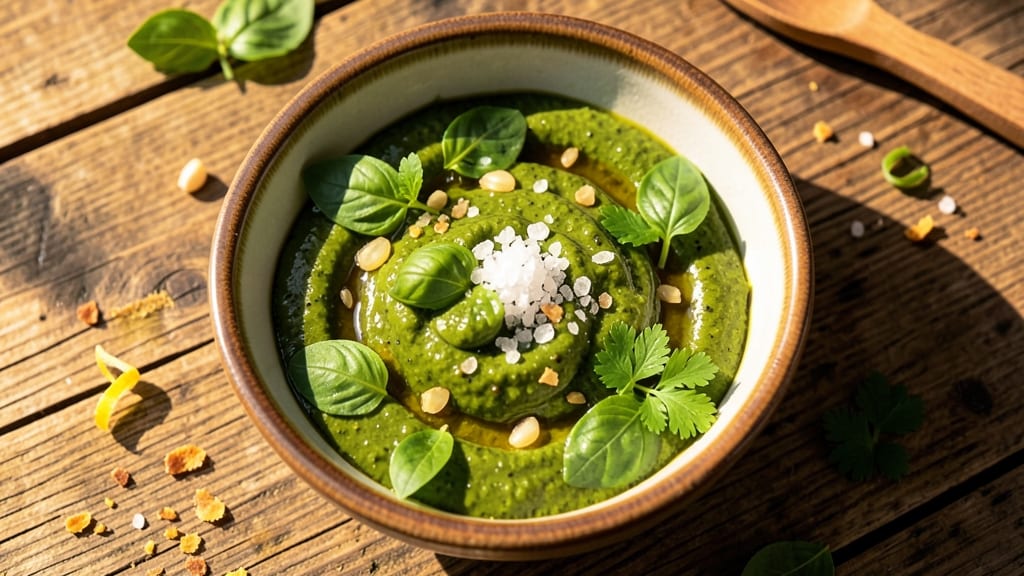
This Antico salad dressing recipe transforms simple ingredients into a velvety herb-infused oil emulsion that elevates every salad from ordinary to extraordinary. The secret lies in blending high-quality olive oil with fresh herbs and a touch of acidity—no emulsifiers or complicated steps required.
What makes this dressing truly special is its ability to stay stable for days, maintaining that luxurious texture and vibrant flavor.
At its core, this recipe relies on just three key components: extra-virgin olive oil, finely chopped fresh herbs, and a splash of vinegar or lemon juice. The magic happens when you whisk them together vigorously, creating a smooth emulsion that coats each bite with a rich, aromatic finish.
Unlike traditional vinaigrettes, this version delivers a creamy, almost mayonnaise-like texture without dairy—perfect for those who crave depth without heaviness.
What sets this dressing apart is its versatility. Use it as a base for classic Italian salads, drizzle it over grilled vegetables, or toss it with fresh greens for a restaurant-worthy meal.
The herbs can be customized—basil for Italian flair, parsley for brightness, or tarragon for a French twist—while the acidity can be adjusted to taste. Store it in an airtight container in the refrigerator for up to a week, where the flavors will deepen over time.
The result is a dressing that’s as impressive as it is easy to make, proving that the best condiments often require the least effort. Whether you're prepping for a weeknight dinner or hosting a gathering, this recipe delivers consistent, professional-quality results every time.
Let’s get started on creating your perfect emulsion.
Ingredients for antico salad dressing
Three key ingredients transform into a velvety, restaurant-quality dressing that stays stable for days.
| Ingredient | Amount | Notes |
|---|---|---|
| Extra-Virgin Olive Oil 🫒 | 1 ½ cups | High quality, fruity, cold-pressed |
| Fresh Basil Leaves 🌿 | 1 ½ cups | Packed, stems removed, vibrant green |
| Fresh Parsley Leaves 🌿 | ½ cup | Bright green, stems removed |
| Red Wine Vinegar 🍷 | 2 tbsp | Dry, aged variety preferred |
| Garlic Cloves 🧄 | 2 cloves | Freshly peeled, finely minced |
| Diamond Crystal Kosher Salt 🧂 | ½ tsp | Fine grain preferred |
| Fresh Lemon Juice 🍋 | 1 tbsp | Freshly squeezed, strained |
The olive oil is non-negotiable here—look for extra-virgin with a fruity aroma, not that cheap grocery store stuff. Trader Joe's and Whole Foods carry excellent options, but any high-quality brand works. For the herbs, freshness is everything—basil and parsley should smell vibrant, not wilted. If you're using dried herbs, forget it; this emulsion needs fresh for that authentic texture. The garlic? Freshly minced makes all the difference—no jars of pre-minced garbage here.
No red wine vinegar? White wine vinegar or lemon juice works in a pinch, but the depth of flavor is different. Fresh lemon juice is better than bottled, but if you must use bottled, ReaLemon is the closest you'll get. Want to customize? Swap basil for tarragon or chives—just keep the herb-to-oil ratio the same. The salt is easy: Diamond Crystal is my go-to, but any fine-grain kosher salt does the trick. Pro tip: if your emulsion breaks, add a splash of vinegar and whisk like your life depends on it—it'll come back together.
This dressing keeps beautifully—up to a week in the fridge if stored properly. Use an airtight jar or container, and press a piece of parchment paper directly on the surface to prevent oxidation. The flavor actually improves over time, deepening as the herbs mellow. For best results, shake or whisk before each use. Freezing isn't recommended, but you can portion it into small jars for easy grab-and-go use during the week.
Why You'll Love This Recipe
- Here’s what sold me: That jar of dressing? It keeps for weeks in the fridge, and the flavor only gets better as the herbs mellow. Plus, I use the stems—yes, the stems—of the basil and parsley in the mix, so nothing goes to waste. Budget-friendly, zero guilt, and still tastes like a splurge.
- Four-Minute Mix: I swear, this dressing comes together faster than I can say "garlic breath." Just toss the basil, parsley, and minced cloves into a jar, pour in the vinegar and oil, and shake like you’re trying to win a game show. No blender, no strainer—just raw, vibrant flavor with zero fuss.
- Herb Bomb Brightness: That fresh basil and parsley? They don’t just happen—they punch. The red wine vinegar cuts through the richness of the olive oil, while the garlic adds this warm, almost alive depth. Drizzle it on anything, and suddenly it tastes like you spent hours in a Tuscan kitchen (without the jet lag).
- Pantry Staple Power: Between us, this dressing is my lazy Sunday brunch hero, my last-minute dinner savior, and the reason my caprese salad at picnics never gets overlooked. It’s the same jar for weeknight dinners, holiday spreads, or when I’m too tired to think. Just add greens, cheese, or roasted veggies—it works every time.
Step-by-step instructions for antico salad dressing
This herb-infused oil emulsion takes minutes but delivers restaurant-quality flavor every time.
Prepare the Herb and Garlic Base
In a food processor or high-powered blender, combine the 1.5 cups fresh basil leaves and 0.5 cup fresh parsley leaves. Pulse until finely chopped but not completely pureed—you want visible texture in your dressing. Add the 2 cloves freshly peeled, finely minced garlic cloves and pulse just until incorporated.
Here's the thing—fresh herbs make all the difference. I like to pack them tightly in the processor to maximize flavor extraction. If using a blender, work in batches if needed to avoid overfilling. The goal is a vibrant green paste that captures all those bright herbal notes without turning to mush.
Add Acid and Salt for Balance
Transfer the herb mixture to a mixing bowl and stir in the 2 tablespoons red wine vinegar and 0.5 teaspoon diamond crystal kosher salt. This combination creates the perfect acid-salt balance that will emulsify with the oil. The vinegar cuts through the richness while the salt enhances all flavors.
I always taste at this stage to check the acidity level. If you prefer more tang, add an extra teaspoon of vinegar. Remember, you can always adjust the final dressing, but you can't take out what you've already added. This is where the magic starts happening—where the flavors begin to marry.
Gradually Incorporate the Olive Oil
With the motor running on low speed in your food processor (or using a hand mixer), very slowly drizzle in the 1.5 cups extra-virgin olive oil. This gradual approach is crucial—adding oil too quickly will prevent proper emulsification and result in a separated dressing. The key is patience; let each addition blend completely before adding more.
You'll notice the mixture will initially look like a thick paste, but as you continue to add oil, it will begin to lighten and emulsify. If you see the mixture starting to separate, simply add another tablespoon of vinegar or lemon juice to help stabilize it. This step requires attention—don't walk away!
Finish with Lemon Juice and Final Adjustments
Once all the oil is incorporated, remove the dressing from the processor and stir in the 1 tablespoon fresh lemon juice. This final addition brightens the flavors and adds a subtle citrus note that complements the herbs perfectly. Taste and adjust the seasoning if needed—you might want to add a pinch more salt or a splash of vinegar.
The dressing should be thick but pourable, with a vibrant green color and an aroma that makes your kitchen smell amazing. If it's too thick for your liking, thin it with a tablespoon or two of water. For extra richness, you can add a teaspoon of Dijon mustard to help stabilize the emulsion. Transfer to a clean jar and store in the refrigerator for up to 2 weeks.
Pro Tips For Making Antico Salad Dressing
- Pulse the Herbs: I learned this the hard way—chopping basil and parsley for this dressing just releases too much liquid. Instead, pulse them in a food processor with the garlic and vinegar first, then drizzle in the olive oil. You’ll end up with a smoother, more balanced dressing that doesn’t turn into a watery mess.
- Use Cold Garlic: No need to cook the garlic—raw is where it shines in this dressing. Mince it fine and let it sit in the vinegar for 5 minutes before blending. That way, it infuses the flavors without turning bitter or releasing its pungent oils too aggressively.
- Balance the Oil Slowly: Start with half the olive oil called for, taste, then add the rest. The dressing should coat the back of a spoon but still feel light. I’ve ruined batches by dumping in all the oil at once—now I adjust as I go, especially if using a particularly strong EVOO.
- Strain for Smoothness: Skip the straining if you love texture, but if you want that classic antico silkiness, press the mixture through a fine-mesh sieve after blending. The seeds and stems can make the dressing gritty, and that’s the one thing that’ll pull you out of the "restaurant-quality" vibe.
Troubleshooting this recipe
Emulsion Separation Fix
If your dressing separates after mixing, don’t panic—this happens when oil and acid aren’t properly balanced. First, whisk in 1 teaspoon of red wine vinegar or lemon juice to help re-emulsify.
For stubborn separations, add ½ teaspoon of Dijon mustard or 1 teaspoon of honey to stabilize the mixture. Gently whisk or blend on low speed until smooth again. 💡
Herb Flavor Fading
Fresh herbs lose potency quickly, so if your dressing tastes bland after a few days, it’s time to refresh. Add ¼ cup finely chopped fresh herbs (basil or parsley) and 1 teaspoon of vinegar, then whisk vigorously.
Store in an airtight jar with a piece of parchment paper pressed on the surface to slow oxidation. This trick extends freshness by 2-3 extra days.
Oil Too Thick or Greasy
If your dressing is too thick or leaves a greasy aftertaste, thin it with 1-2 tablespoons of water or additional vinegar (start with ½ teaspoon).
For a lighter texture, blend in 1 tablespoon of plain yogurt or buttermilk to balance the richness. Taste as you go—adjust gradually to avoid over-diluting. 🥄
Garlic Overpowering
Too much garlic can dominate the dressing. If it’s too strong, add 1 teaspoon of honey or maple syrup to mellow the flavor. Alternatively, blend in 1 tablespoon of fresh dill or chives to soften the garlic’s intensity.
For future batches, reduce garlic to 1 clove or use roasted garlic for a milder taste.
Vinegar Too Harsh
If the vinegar taste is too sharp, balance it with ½ teaspoon of sugar or 1 teaspoon of honey. For a smoother acidity, swap red wine vinegar for white wine vinegar or apple cider vinegar, which are milder.
Always taste as you go—you can adjust, but you can’t remove excess acid once added.
Storage Gone Wrong
If your dressing develops an off smell or mold after refrigeration, it’s spoiled. Prevent this by storing in a sterilized glass jar with a tight-sealing lid.
Press plastic wrap directly on the surface to minimize air exposure. Use within 7 days for best quality—freezing isn’t recommended as it can alter the texture. ❄️
Nutrition facts
Frequently asked questions
Why does this dressing stay creamy without dairy?
The secret lies in the emulsification process—gradually whisking high-quality olive oil into the herb-vinegar base creates tiny fat droplets suspended in liquid. This technique mimics mayo's texture but keeps it light. The red wine vinegar acts as a natural emulsifier while the fresh herbs add body and flavor. For extra stability, add ½ teaspoon Dijon mustard when blending.
Can I make this dressing without a food processor?
Use a hand mixer or immersion blender instead. Start by finely chopping herbs and garlic with a knife, then whisk them with vinegar and salt in a bowl. With the mixer running on low, very slowly drizzle in the oil—this gradual approach prevents separation. For best results, work in small batches to maintain control.
How can I adjust this for a creamy vs. light vinaigrette texture?
For a creamy texture, blend in 2 tablespoons plain yogurt or mayonnaise at the end. For a lighter vinaigrette, reduce oil to 1 cup and add 1 tablespoon water or extra vinegar. The key is adjusting the oil-to-acid ratio—more oil = richer, more vinegar = tangier. Always taste as you go!
What herbs work best for different salad types?
For Italian salads, stick with basil and parsley. Swap for tarragon and chives for French-inspired flavors. Need something bolder? Try thyme and rosemary for Mediterranean dishes. For Asian salads, use cilantro and mint with rice vinegar instead of wine vinegar. Keep the herb-to-oil ratio the same—2 cups herbs per 1.5 cups oil works universally.
Can I make this dressing ahead for meal prep?
Yes! This dressing actually improves with age—store it in an airtight jar in the fridge for up to 2 weeks. The flavors meld beautifully, but always shake or whisk before using. For meal prep, portion into small containers (like mason jars) so you can grab exactly what you need. Pro tip: Press plastic wrap directly on the surface to prevent oxidation and keep it fresh longer.