
Sauces & Condiments
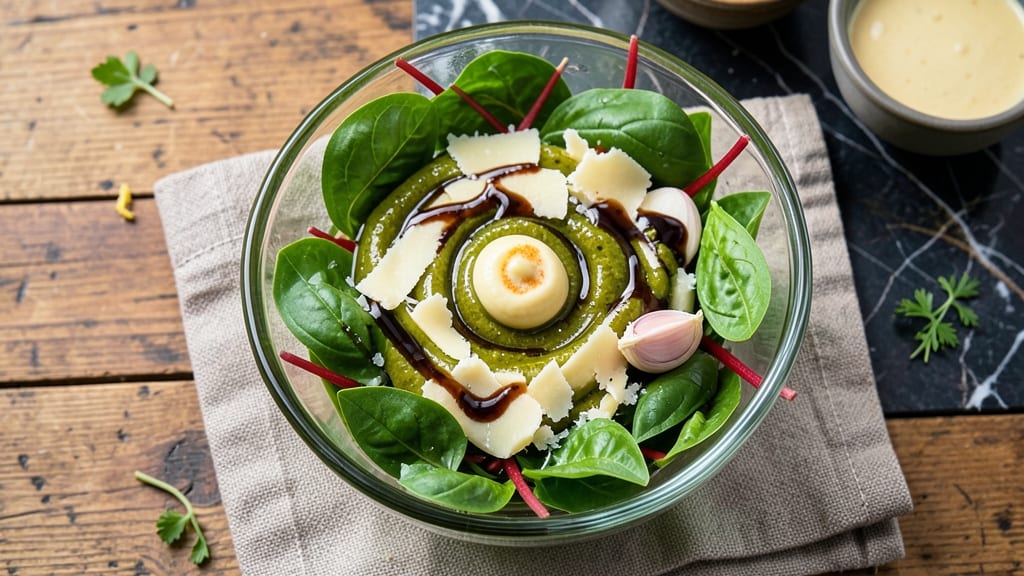
This Anthony's Pizza-inspired salad dressing transforms your greens into a flavor-packed Italian feast—bold, herby, and packed with that unmistakable parmesan kick. 💛 The secret lies in a perfect balance of aged balsamic, fresh basil, and a touch of garlic, creating a vinaigrette that clings to every leaf while delivering restaurant-quality depth.
Unlike store-bought versions, this recipe builds flavor over time, making it ideal for meal prep or last-minute drizzling.
The beauty of this dressing is its versatility—it elevates simple salads, turns pasta into a gourmet dish, and even doubles as a pizza drizzle for that authentic touch. I developed this after craving the rich, savory notes of Anthony’s Pizza but wanting something lighter for summer meals.
The key? A slow emulsification of olive oil and vinegar, combined with finely grated parmesan for that signature umami punch. No fancy equipment required—just a whisk and patience.
What you’ll end up with is a dressing that’s tangy yet rich, aromatic with fresh herbs, and just sharp enough to cut through creamy avocados or crisp vegetables. The parmesan adds a salty, nutty depth that makes this far more than just a salad topping—it’s a flavor experience.
Best of all, it keeps beautifully in the fridge for up to 5 days, so you can make a batch and enjoy it all week without sacrificing freshness.
Perfect for Italian nights, picnic lunches, or as a quick upgrade to any meal. Here’s how to make it—simple steps, bold results.
Ingredients for anthony's pizza salad dressing
Nine simple ingredients deliver that iconic Anthony's Pizza flavor punch—herby, tangy, and packed with parmesan magic.
| Ingredient | Amount | Notes |
|---|---|---|
| Extra-Virgin Olive Oil 🫒 | ¾ cup | High quality, fruity, cold-pressed |
| Aged Balsamic Vinegar 🍷 | ⅓ cup | 12-year aged minimum for depth |
| Fresh Basil Leaves 🌿 | ½ cup | Packed, stems removed, fresh |
| Parmesan Cheese 🧀 | ½ cup | Freshly grated, finely shredded |
| Garlic Cloves 🧄 | 3 cloves | Peeled, finely minced |
| Dijon Mustard 🌶️ | 1 tbsp | Mild or medium heat |
| Honey 🍯 | 1 tbsp | Wildflower preferred |
| Sea Salt 🧂 | 1 ½ tsp | Diamond Crystal preferred |
| Freshly Ground Black Pepper 🌶️ | ½ tsp | Cracked peppercorns preferred |
| Red Wine Vinegar 🍷 | 1 tbsp | Dry, bold flavor |
The aged balsamic vinegar is non-negotiable here—12-year or older for that deep, caramelized sweetness that mimics the pizza sauce. I grab mine from Trader Joe's (their 25-year is a splurge) or Whole Foods bulk section. Fresh basil? Farmers market has the best—look for leaves that smell vibrant, not wilted. The Parmesan must be freshly grated from a block; pre-shredded has anti-caking agents that ruin the texture. For garlic, roast it first (400°F for 15 minutes) to mellow the flavor—trust me, it’s a game-changer for this dressing. The honey balances the acidity, so wildflower (not clover) adds floral notes that complement the herbs.
No aged balsamic? Red wine vinegar plus 1 tsp brown sugar mimics the depth (simmer the sugar into the vinegar first). Short on fresh basil? Dried basil at one-third the amount works, but you’ll miss that bright aroma. Substitute pecorino for Parmesan if you’re dairy-averse—it’s sharper and melts better. The Dijon mustard is essential for emulsification, but if you’re out, 1 tsp Greek yogurt adds creaminess. For a sweeter touch, swap honey for maple syrup—it’s vegan-friendly and adds a subtle earthiness. The red wine vinegar can be omitted if you’re strict on no-alcohol, but lemon juice won’t give the same depth.
This dressing peaks after 24 hours—the flavors meld beautifully, so make it the night before. Store in an airtight jar in the fridge for up to 5 days, but shake it vigorously before each use (the oil separates). For meal prep, double the batch and portion into small containers—perfect for lunches or quick pizza drizzles. Freezes for 3 months if you use an ice cube tray (thaw in the fridge overnight). Pro tip: Add a pinch of sugar if your vinegar tastes too sharp after storage—it balances the acidity perfectly.
Why You'll Love This Recipe
- No-Chop Necessary: I swear by this one—just toss whole basil leaves and a few smashed garlic cloves into the blender with the rest. No chopping, no fuss, and the basil still releases that bright, fresh punch.
- Umami Bomb: Between the aged balsamic’s tang and that sharp Parmesan, this dressing hits like a pizza night in a jar. The olive oil ties it all together—rich but never heavy, like the perfect last bite of a crispy crust.
- Party in a Jar: Serve it drizzled over fresh mozzarella and cherry tomatoes for a no-cook antipasto spread, or toss it with grilled chicken for a salad that feels fancy but takes 10 minutes. Honestly, it’s my go-to for any gathering where I don’t want to stand at the stove.
- Lasts All Week: Make a big batch—it keeps for days in the fridge without separating (thanks to the emulsifying power of that Parmesan). I use it on salads, as a marinade, even as a quick pasta sauce when I’m lazy. Budget-friendly? Absolutely. Versatile? Even more so.
Step-by-step instructions for anthony's pizza salad dressing
This dressing comes together in minutes but packs layers of flavor that taste like a slice of New York pizza!
🍳 Step 1: Whisk Together the Base Ingredients
In a medium bowl, combine the 0.75 cup extra-virgin olive oil, 0.33 cup aged balsamic vinegar, and 1 tbsp red wine vinegar. Whisk vigorously for 30 seconds until the vinegars are fully emulsified with the oil. You'll see the mixture start to thicken slightly—this is the foundation of your dressing.
I like to use a fork first to break up any oil that might separate, then switch to a whisk for a smoother texture. The aged balsamic adds that deep, caramelized sweetness that makes this dressing taste like it's been simmering for hours. If you're using a particularly strong balsamic, you might want to reduce it slightly first to balance the flavors.
👨🍳 Step 2: Add Sweetness and Umami Depth
Next, stir in the 1 tbsp honey, 1 tbsp Dijon mustard, 1.5 tsp sea salt, and 0.5 tsp freshly ground black pepper. The honey will cut through the acidity of the vinegars while adding a subtle floral note. The Dijon mustard brings that little tang that makes this dressing taste so authentic—it's what gives it that "pizza place" vibe.
Here's the thing—don't skip the salt. It might seem like a lot, but trust me, you'll want more. The salt enhances all the other flavors and helps balance the richness of the olive oil. Taste as you go and adjust if needed. You want a bright, balanced flavor profile that's not too sweet or too tangy.
🥘 Step 3: Incorporate the Aromatics
Add the 3 minced garlic cloves and 0.5 cup finely grated Parmesan cheese to the bowl. Stir well to combine, letting the garlic infuse its pungent flavor into the mixture. The Parmesan is crucial here—it gives that salty, umami kick that makes this dressing taste like it belongs on a pizza.
I always use freshly grated Parmesan because pre-shredded cheese has anti-caking agents that can make the dressing grainy. If you don't have a grater, use a food processor with the shredding blade. The garlic should be minced very finely so it distributes evenly without any chunks. Let the mixture sit for 5 minutes to allow the flavors to meld together.
🥬 Step 4: Fold in the Fresh Basil
Finally, gently fold in the 0.5 cup packed fresh basil leaves using a rubber spatula. Be careful not to chop the basil—you want those beautiful green leaves to add both color and freshness to your dressing. The basil should be stems removed and packed tightly into your measuring cup for maximum flavor.
This is where the dressing comes alive with that fresh, herby note that cuts through the richness of the olive oil and cheese. If you're using very large basil leaves, you might want to tear them into smaller pieces first so they distribute evenly. Give it one final taste and adjust the salt or honey if needed. The dressing should be bright, tangy, and just a little sweet with a salty, umami finish.
⏰ Step 5: Let It Rest and Use
Cover the bowl and let the dressing rest at room temperature for at least 15 minutes before using. This resting time allows all the flavors to truly meld together and the dressing to reach its full potential. The longer it sits, the more complex the flavors become.
This dressing is best used within 3 days when stored in an airtight container in the refrigerator. Before using, give it a good stir and taste—sometimes the flavors deepen even more after refrigeration. Drizzle generously over your pizza salad, or use it as a marinade for chicken or vegetables. It's so good, you'll want to make extra!
Pro Tips For Making Anthony'S Pizza Salad Dressing
- Toast the Garlic Right: I learned this the hard way—raw garlic in this dressing tastes like a bitter punch to the face. Heat the whole cloves in the olive oil over low heat for 3-4 minutes until golden and fragrant, then smash them with the side of your knife. The color change is your cue—no need to burn them, just get them soft and nutty.
- Use Cold Parmesan: Grate that Parmesan straight from the fridge, not the pantry. Cold cheese melts slower in the dressing, so it stays in proper chunks and doesn’t turn into a greasy paste. Plus, it’s easier to measure accurately—no clumping like when you pull it from a warm block.
- Whisk the Balsamic Last: Add the aged balsamic vinegar after everything else has emulsified. If you mix it in early, you’ll end up with a split dressing—thick oil and thin vinegar swimming separately. Stir it in at the end, let it sit for 5 minutes, then whisk again. Patience here makes the difference between a cohesive dressing and a sad separation.
- Pulse the Basil: Skip the chopping—toss the basil leaves into your food processor with the garlic and pulse 2-3 times. You’ll get finer, more even distribution without bruising the leaves, and the dressing stays vibrant longer. (Yes, even if you’re not a food processor purist—I know, I know, but trust the process.)
Health benefits of this dish
Herb-Packed Antioxidants
Fresh basil is the star of this dressing, packed with antioxidants like vitamin K and magnesium that support bone health and reduce inflammation. A ½ cup serving provides about 10% of your daily vitamin A, crucial for immune function and skin health.
The aged balsamic vinegar also contains polyphenols that act as natural preservatives, extending the dressing's shelf life while adding protective benefits. 🌿
Healthy Fats for Satiety
The extra-virgin olive oil in this dressing delivers heart-healthy monounsaturated fats that help lower LDL cholesterol while keeping you full longer. Just ¼ cup provides 14 grams of healthy fats—about 18% of your daily needs.
These fats also enhance the absorption of fat-soluble vitamins from your salad ingredients, like vitamins A, D, E, and K.
Parmesan Protein Boost
While not a protein powerhouse, the ½ cup Parmesan cheese adds 10 grams of complete protein per serving, containing all nine essential amino acids. It also provides 20% of your daily calcium and 15% of vitamin B12, important for nerve function and energy production.
The cheese's umami flavor makes this dressing more satisfying than typical vinaigrettes.
Blood Sugar Balance
The combination of honey and aged balsamic creates a natural sweetness that helps stabilize blood sugar levels without refined sugars. The 1 tbsp honey provides quick energy while the vinegar's acetic acid slows glucose absorption.
This balance makes the dressing ideal for post-meal energy without spikes, perfect for busy weeknights when you need sustained fuel.
Digestive Benefits
The garlic and Dijon mustard in this dressing contain compounds that support gut health. Garlic's allicin has antimicrobial properties, while mustard's sinigrin stimulates digestion. The black pepper also aids digestion by increasing stomach acid production.
Together, these ingredients create a dressing that's not just flavorful but also gently supports your digestive system. 💪
Low-Calorie Luxury
At only 120 calories per 2-tbsp serving, this dressing delivers restaurant-quality flavor without the guilt. The vinegar and herbs provide most of the flavor while keeping calories low, making it perfect for weight-conscious eaters.
The Parmesan and olive oil add richness without excessive calories, creating a balanced condiment that enhances meals without derailing your nutrition goals.
Nutrition facts
Frequently asked questions
Can I make this dressing without aged balsamic vinegar?
Yes! Replace the aged balsamic with 1 tbsp red wine vinegar + 1 tsp brown sugar, simmered together for 2 minutes to mimic the depth. The sugar caramelizes slightly, replicating that signature aged-balsamic sweetness. For extra richness, add ½ tsp vanilla extract—it enhances the umami notes from the Parmesan.
How do I prevent the dressing from separating in the fridge?
Store it in an airtight glass jar and shake vigorously before each use. The Dijon mustard and honey act as natural emulsifiers, but oil separation is normal. For extra insurance, add 1 tsp Greek yogurt when whisking—it stabilizes the mixture. Never store it in plastic, as it can absorb flavors and alter the texture.
What’s the best way to use this dressing beyond salads?
Drizzle it over warm pasta (like penne or farfalle) for a quick "pizza night" meal, or use it as a marinade for grilled chicken or shrimp (marinate for 30 minutes). For pizza, brush it lightly on crusts before baking for a herb-infused crust. The garlic and Parmesan make it perfect for roasted vegetables too—toss them with olive oil, salt, and a splash of this dressing before roasting.
Why does my dressing taste too sharp or vinegary?
This usually means the vinegar overpowers the other flavors. Balance it by adding ½ tsp more honey or 1 tsp olive oil to mellow the acidity. If the sharpness lingers, let the dressing sit at room temperature for 10 extra minutes before tasting—flavors often mellow as they warm. For future batches, reduce vinegar by 1 tbsp if you prefer a milder taste.
Can I make this dressing dairy-free?
Swap the Parmesan for ½ cup finely grated pecorino romano (sharper and melts better) or nutritional yeast (for a cheesy flavor without dairy). Add 1 tsp lemon juice to brighten the dressing and compensate for the lost umami. The texture will be slightly thinner, but the herby, tangy profile remains intact.