
Side Dishes
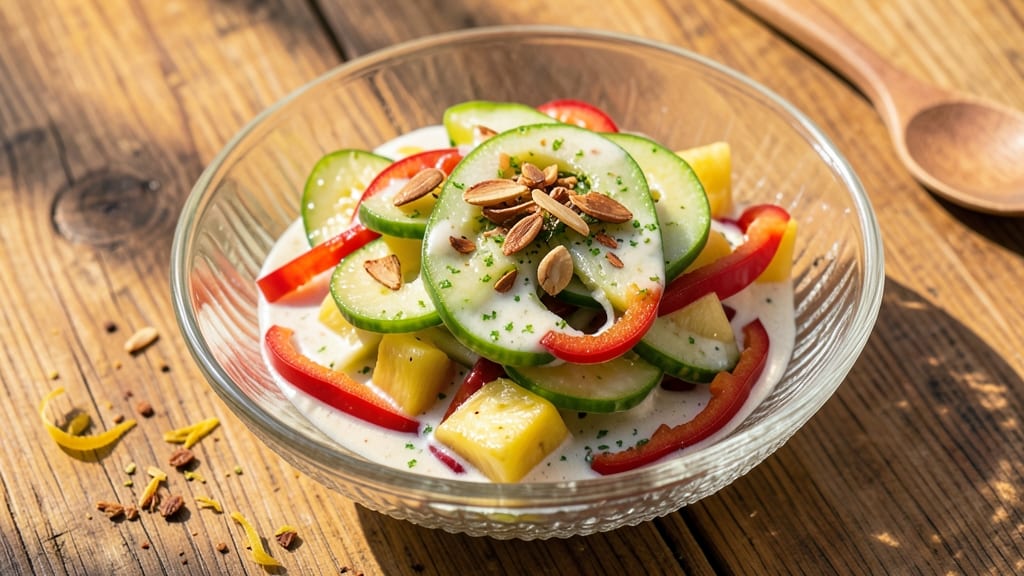
This ampalaya salad with pineapple recipe transforms humble bitter melon into a vibrant, tropical masterpiece that balances crisp textures and bright flavors. 🌟 The secret lies in blanching the ampalaya to mellow its bitterness while preserving its signature crunch, then tossing it with sweet pineapple, tangy vinegar, and aromatic spices for a dish that's as visually stunning as it is delicious.
What sets this recipe apart is the perfect harmony of traditional Filipino techniques with modern twists—like the pineapple's natural sweetness that cuts through the melon's earthiness.
The salad's creamy dressing, made with coconut milk and lime, adds a velvety contrast to the crisp vegetables, while toasted garlic and chili flakes bring depth without overpowering the fresh ingredients.
By the time you serve this dish, you'll have a tropical crunch meets silky bite experience that works as a refreshing standalone meal or a vibrant side for grilled meats. The colors pop with fresh cilantro, red bell peppers, and pineapple chunks, making it as beautiful as it is flavorful.
The best part? This recipe is foolproof—just follow the blanching step carefully, and you'll achieve that perfect texture every time. Whether you're serving it at a family gathering or meal prepping for the week, this ampalaya salad delivers restaurant-quality results with minimal effort.
Ingredients for ampalaya salad with pineapple
Tropical flavors meet Filipino tradition in this vibrant, textured salad that's foolproof once you master the blanching step.
| Ingredient | Amount | Notes |
|---|---|---|
| Ampalaya (Bitter Melon) 🥒 | 1 ½ lb | Thinly sliced, seeds removed |
| Fresh Pineapple 🍍 | 2 cups | Diced, fresh or canned (drained) |
| Red Bell Pepper 🌶️ | 1 whole | Thinly sliced, seeds removed |
| Coconut Milk 🥥 | ½ cup | Full-fat, chilled for creaminess |
| Fresh Lime Juice 🍋 | ¼ cup | Freshly squeezed, no pulp |
| Toasted Garlic Cloves 🧄 | 4 cloves | Minced, lightly browned |
| Red Chili Flakes 🔥 | 1 tsp | Adjust for heat preference |
| Fresh Cilantro 🌿 | ½ cup | Chopped, stems removed |
| White Vinegar 💧 | 2 tbsp | For tangy brightness |
| Coconut Sugar 🍯 | 2 tbsp | Or regular sugar in pinch |
| Sea Salt 🧂 | ½ tsp | Diamond Crystal preferred |
| Olive Oil 🫒 | 2 tbsp | Extra-virgin for richness |
| Lime Zest 🍋 | 1 tsp | Brightens the dressing |
| Sesame Seeds 🌰 | 1 tbsp | Toasted for crunch |
The ampalaya is the star—fresh is non-negotiable for that signature crunch. Filipino markets often carry it pre-sliced, but if you're slicing yourself, wear gloves (it's bitter when raw!). Look for firm, unblemished melons, and slice them paper-thin to ensure even cooking during blanching. The pineapple should be ripe but firm—overripe gets mushy in the salad. For the coconut milk, full-fat canned versions like Thai Kitchen work perfectly, but avoid the light versions—they won't give you that creamy dressing. Toast your garlic in a dry pan for 30 seconds until fragrant—this brings out its sweet, nutty depth without burning.
No fresh ampalaya? Substitute with zucchini or green beans—blanch them the same way, but reduce time to 1 minute to avoid mushiness. Skip the pineapple? Mango or papaya work beautifully, but add a splash of lime juice to balance their sweetness. The dressing can be made 2 days ahead—it actually tastes better as the flavors meld. For extra heat, swap chili flakes for fresh Thai bird's eye chilies (use half the amount). The cilantro is optional, but it adds that bright, herby finish that ties everything together. And if you're short on time, pre-cut veggies from the salad bar section at Trader Joe's save prep work without sacrificing quality.
Blanched ampalaya keeps 3 days in the fridge, sealed in a container with paper towels to absorb moisture—this prevents sogginess. The dressing? 1 week in the fridge, but give it a stir before using. For meal prep, store components separately and toss with dressing just before serving. The salad reheats beautifully—30 seconds in the microwave revives its crispness. Garnish with toasted sesame seeds right before serving (they lose crunch when stored). Freezing isn't recommended—the textures turn mushy, but the dressing freezes well for up to 3 months. This dish is a crowd-pleaser, so double the batch if you're serving a group.
Why You'll Love This Recipe
- I’ll be real: the first time I tasted this combo, I thought, "Why didn’t I do this sooner?" The pineapple’s bright tang cuts through the ampalaya’s earthy bite—like a flavor hug you didn’t know you needed. That coconut milk dressing ties it all together with just a splash of lime for a finish that’s dangerously addictive.
- Sweet-Bitter Magic: I’ll be real: the first time I tasted this combo, I thought, "Why didn’t I do this sooner?" The pineapple’s bright tang cuts through the ampalaya’s earthy bite—like a flavor hug you didn’t know you needed. That coconut milk dressing ties it all together with just a splash of lime for a finish that’s dangerously addictive.
- One-Pan, Zero Stress: Honestly, this is the kind of recipe that makes me want to cook more. Sauté the ampalaya and bell pepper in one pan, toss in the pineapple chunks, and boom—done. The worst part is waiting for the lime juice to brighten everything up. (Yes, even on a Tuesday night.)
- Lunchbox Hero: Between us, this salad holds up way better than most. Pack it for work, and it’s still crisp and refreshing by afternoon. The pineapple stays juicy, the ampalaya keeps its bite, and the coconut dressing? It just gets better as it sits. My kids actually eat their veggies now—don’t tell them I’m bragging.
Step-by-step instructions for ampalaya salad with pineapple
Here's how to transform bitter melon into a vibrant, tropical salad that balances sweet, tangy, and umami flavors perfectly.
🥘 Step 1: Prep and Blanch the Ampalaya
Start by slicing the 1.5 lb Ampalaya (Bitter Melon) into ¼-inch thick half-moons, removing any seeds. Rinse immediately under cold water to reduce bitterness—this step is crucial. Transfer to a pot of boiling water and blanch for 3 minutes until just tender but still vibrant green. Drain and plunge into ice water to stop cooking. The ampalaya should hold its shape but be tender enough to cut with a fork.
While it cools, dice the 2 cups Fresh Pineapple into ½-inch cubes and thinly slice the 1 whole Red Bell Pepper into strips. The pineapple's natural sweetness will contrast beautifully with the ampalaya's earthy bite. Keep these separate until ready to combine—they'll soak up flavors differently.
🍳 Step 2: Toast the Garlic and Make the Dressing
Heat 2 tablespoons Olive Oil in a small skillet over medium-low heat. Add the 4 cloves Toasted Garlic Cloves and cook until they're lightly golden and fragrant—about 2 minutes. Immediately transfer to a bowl to stop further toasting. This step prevents bitter garlic flavors that can overpower the delicate salad.
In a separate bowl, whisk together the 0.5 cup Coconut Milk, 0.25 cup Fresh Lime Juice, 2 tablespoons White Vinegar, 2 tablespoons Coconut Sugar, 0.5 teaspoon Sea Salt, and the toasted garlic. Add 1 teaspoon Lime Zest and 1 teaspoon Red Chili Flakes for a bright, spicy kick. The dressing should be smooth but still slightly chunky from the garlic. Taste and adjust—you want a balance of sweet, tangy, and just a hint of heat.
🥘 Step 3: Assemble the Salad with Perfect Texture
In a large bowl, gently combine the blanched ampalaya, pineapple, and red bell pepper. Drizzle half of the dressing over the mixture and toss lightly—just enough to coat everything evenly. The ampalaya will absorb flavors quickly, so don't overmix or it'll turn mushy. Let it sit for 5 minutes to allow the flavors to meld while you prepare the garnishes.
Chop the 0.5 cup Fresh Cilantro and toast the 1 tablespoon Sesame Seeds in a dry skillet over medium heat for 1-2 minutes until fragrant. Sprinkle these over the salad just before serving—the cilantro adds freshness, while the sesame seeds contribute a nutty crunch that contrasts with the silky ampalaya.
🍽️ Step 4: Serve with the Perfect Dressing Ratio
Divide the salad among 4 plates, reserving the remaining dressing. Drizzle just enough to lightly coat each serving—you'll want guests to add more if desired. The key here is balance: the ampalaya's slight bitterness should be complemented by the pineapple's sweetness, with the dressing tying everything together in a creamy, tangy embrace.
Serve immediately while the ampalaya is still crisp-tender. Pair with grilled shrimp or a simple protein to round out the meal. The contrast of textures—crisp ampalaya, juicy pineapple, and crunchy sesame seeds—makes every bite exciting. Trust the process, and you'll have a salad that's anything but boring!
Pro Tips For Making Ampalaya Salad With Pineapple
- Scorch the Ampalaya First: Ampalaya’s bitterness mellows when charred—toss whole halves in a screaming-hot pan for 3-4 minutes per side until blackened in spots. I learned this the hard way: undercooked ampalaya tastes like medicine, but properly scorched skin adds smoky depth that balances the pineapple’s sweetness.
- Core the Pineapple Right: Cut the pineapple lengthwise down the core first, then slice into rings—this keeps the fruit intact and prevents messy juice spills. I used to hack at it crosswise and ended up with a pile of mush; this method saves time and keeps the presentation clean.
- Thin-Slice the Bell Pepper: Julienne the red bell pepper into matchsticks (about 1/8-inch thick) so it softens just enough to marry with the coconut milk without turning to mush. Thicker slices stay crunchy and clunky—no one wants that texture fight in a salad.
- Whisk the Coconut Milk Cold: Chill the coconut milk for 20 minutes before mixing it into the salad—this prevents the pineapple’s acid from curdling it into a greasy mess. I was skeptical until I tried it; now I swear by the silky, stable dressing it creates.
Regional styles of these flavors
Filipino Ampalaya Style
In the Philippines, this salad is often called "ensaladang ampalaya" and traditionally served as a side with grilled meats or fried fish.
The key Filipino technique is double-blanching—after the initial 3-minute boil, many chefs recommend a second quick blanch in fresh boiling water for 1 minute to remove excess bitterness. This method is especially popular in Luzon regions where ampalaya is most commonly grown. 🌱
For an authentic touch, some Filipino cooks add shrimp paste (bagoong) or patis (fish sauce) to the dressing for an umami depth. I’ve found that 1 teaspoon of patis in the dressing elevates the dish without overpowering the fresh ingredients.
This variation is common in Pampanga-style cooking, known for its rich, savory flavors.
Thai-Inspired Twist
Thai cuisine shares ampalaya’s love for balancing sweet, sour, and spicy flavors. In Thailand, this salad might include green beans instead of ampalaya, but the technique remains similar—blanching first to soften textures.
The Thai version often uses fish sauce (nam pla) and palm sugar in the dressing, which adds a caramelized depth. I’ve adapted this by replacing coconut sugar with palm sugar and adding 1 teaspoon fish sauce to the dressing for a Southeast Asian fusion. 🌶️
For extra heat, Thai cooks might add Thai bird’s eye chilies (fresh or dried) to the dressing. I recommend starting with ½ teaspoon of fresh chilies (seeds removed) for a fiery kick that complements the pineapple’s sweetness. Garnish with crushed peanuts instead of sesame seeds for a Thai-inspired crunch.
Caribbean Pineapple Focus
The Caribbean takes this salad in a tropical direction by emphasizing pineapple as the star. In Puerto Rico and Jamaica, pineapple is often paired with bitter greens like sorrel or callaloo, but ampalaya works beautifully too.
The Caribbean version might include scotch bonnet peppers for heat and lime marmalade in the dressing for a sweet-tangy balance. I’ve found that adding 1 tablespoon lime marmalade to the dressing gives it a jammy richness that pairs perfectly with the pineapple. 🍍
For a Caribbean touch, serve the salad with grilled jerk chicken or conch fritters to highlight the island flavors. The smoky, spicy notes of jerk seasoning contrast wonderfully with the salad’s creamy dressing and crisp ampalaya. Garnish with toasted coconut flakes for an extra layer of texture.
Japanese-Inspired Crunch
Japanese cuisine often balances bitter and sweet flavors, making it a natural fit for ampalaya. In Japan, a similar dish might use daikon radish or bitter melon (gorō) with a dressing inspired by ponzu sauce.
For this variation, replace the coconut milk with white miso paste (1 teaspoon) and rice vinegar (1 tablespoon) in the dressing. Add 1 teaspoon grated ginger and a pinch of sesame oil for depth. 🍚
Garnish with toasted nori strips and pickled ginger for a Japanese-inspired presentation. The umami from the miso and the tang of rice vinegar create a dressing that’s both familiar and exciting. This version works beautifully as a side for sushi rolls or grilled fish, offering a fresh, unexpected contrast.
Nutrition facts
Frequently asked questions
Why does ampalaya need to be blanched before using in salad?
Blanching removes the bitter compounds that make raw ampalaya unpleasant to eat. The 3-minute boil softens it slightly while preserving texture, and the ice bath stops cooking instantly. This step is crucial—skipping it means dealing with an overly bitter, chewy bite in your salad.
Can I use canned pineapple instead of fresh?
Yes, but choose 100% pineapple with no added sugar and drain it well. Fresh pineapple adds better texture, but canned works in a pinch. For extra flavor, toss the drained pineapple with 1 teaspoon lime juice before adding it to the salad to brighten its taste.
How do I adjust the dressing for less heat?
Reduce the red chili flakes to ½ teaspoon or omit them entirely. For a milder kick, add ½ teaspoon ground cumin or 1 teaspoon honey to balance the tang. The coconut milk already adds natural sweetness, so you can skip extra sugar if you prefer.
What if my ampalaya turns mushy after blanching?
Overcooking is the most common mistake. Keep a close eye on the timer—3 minutes max for ¼-inch slices. If it's still too soft, the issue might be old ampalaya (use fresher ones) or overcrowding the pot during blanching. Try slicing thinner next time for better texture.
Can I make this salad ahead of time?
Yes, but store components separately. Blanch the ampalaya and store it in the fridge for up to 3 days (pat dry first to prevent sogginess). Mix the dressing separately and combine everything just before serving. The flavors meld beautifully when fresh, but the ampalaya stays crisp if stored properly.