
Salads
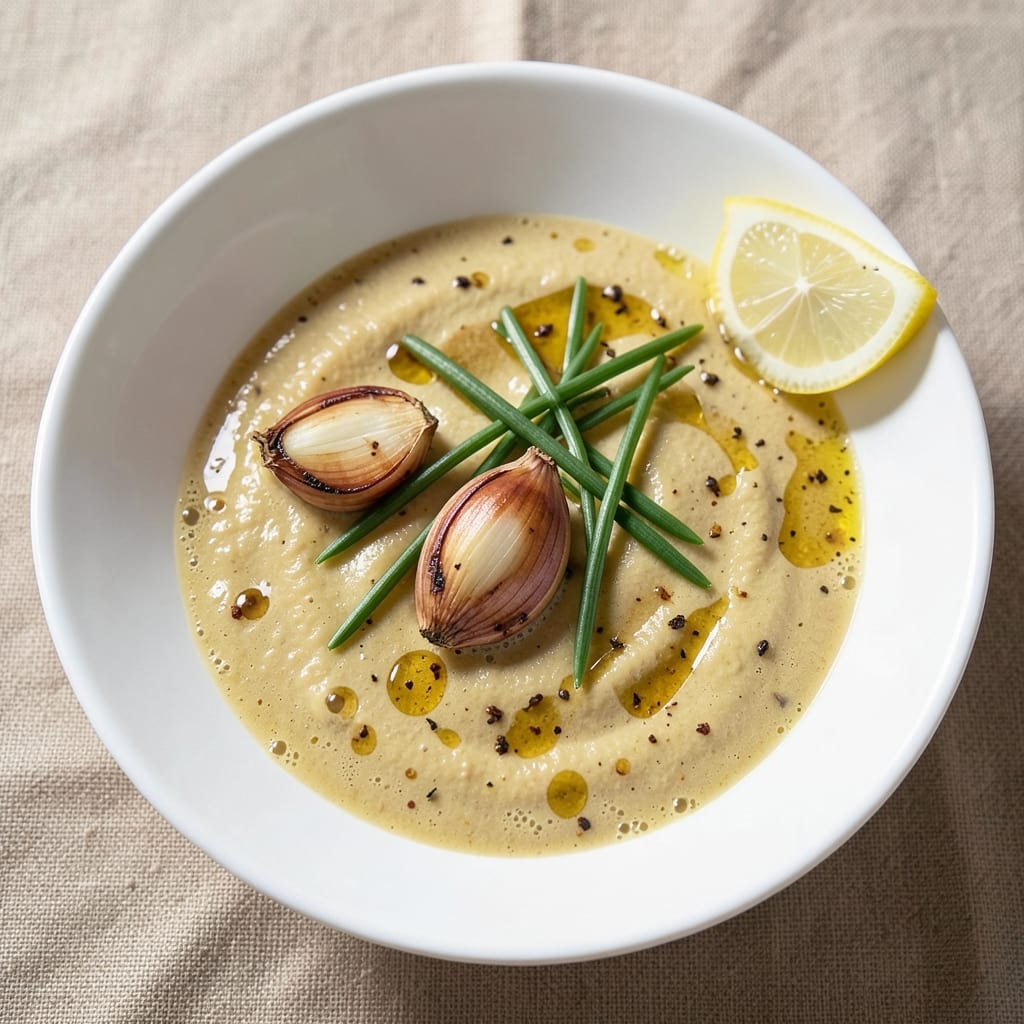
This aioli salad dressing recipe transforms simple mayonnaise into a bold, garlicky emulsion that elevates every salad, grain bowl, or roasted vegetable. The secret lies in balancing rich mayonnaise with bright lemon, aromatic garlic, and fresh herbs to create a dressing that's creamy yet tangy—no cooking required. What sets this apart is the emulsification technique that keeps it smooth and stable, even after sitting for hours.
The base starts with high-quality mayonnaise as the foundation, where roasted garlic adds depth without overpowering. A touch of Dijon mustard helps bind the emulsion, while fresh lemon juice and olive oil brighten the flavor profile. Optional herbs like chives or dill can be added for extra zing, but the core ingredients alone deliver restaurant-quality results.
What you'll end up with is a velvety, garlicky dressing that clings beautifully to greens, grains, or proteins without making them soggy. The emulsion stays intact whether you use it immediately or store it for up to a week in the fridge. It's the kind of dressing that turns simple salads into flavor-packed meals with minimal effort.
Perfect for drizzling over mixed greens, grain bowls, or as a dip for crudités. The versatility makes it a pantry staple—once you try homemade, store-bought aioli just won't compare. Let's get started on this game-changing dressing.
Ingredients for aioli salad dressing
High-quality mayo, roasted garlic, and bright lemon create this velvety dressing that elevates salads instantly.
| Ingredient | Amount | Notes |
|---|---|---|
| High-Quality Mayonnaise 🥫 | 1 cup | Dijon-style preferred for tang |
| Roasted Garlic Cloves 🧄 | 3 whole | Roasted until soft and sweet |
| Extra-Virgin Olive Oil 🫒 | ¼ cup | Light, fruity variety preferred |
| Fresh Lemon Juice 🍋 | 2 tbsp | Freshly squeezed for brightness |
| Dijon Mustard 🌶️ | 1 tbsp | For emulsion stability |
| Fresh Chives 🌿 | 2 tbsp | Finely chopped, optional garnish |
| Fresh Dill 🌿 | 1 tbsp | Finely chopped, optional garnish |
| Salt 🧂 | ½ tsp | Diamond Crystal kosher salt |
| Black Pepper 🌶️ | ¼ tsp | Freshly ground for aroma |
The mayo is non-negotiable here—Duke's or Hellmann's are reliable choices, but homemade works even better. Roasted garlic is key for that deep, sweet flavor without overpowering. Whole Foods or Trader Joe's sell pre-roasted cloves, but roasting your own (wrap in foil, bake at 400°F for 30 minutes) makes all the difference. The olive oil should be light and fruity—California avocado oil or Kirkland signature are great options. Fresh lemon juice is a must; bottled just won't cut it. For the herbs, farmers markets often have fresher options than grocery stores.
No roasted garlic? Fresh garlic, minced fine works in a pinch, but reduce to 2 cloves. Short on mayo? Greek yogurt or vegan mayo can replace half the amount (adjust olive oil to maintain texture). The Dijon mustard is crucial for emulsification—Maille is the gold standard, but any good-quality brand suffices. For extra zing, swap dill for tarragon or basil. The salt and pepper should be freshly ground; pre-ground loses potency quickly. If you're making this ahead, add a pinch of xanthan gum (1/8 tsp) to stabilize the emulsion even longer.
This dressing keeps beautifully for up to 1 week in the fridge, sealed tightly. For best texture, stir before using. To extend shelf life, store in a glass jar with a layer of olive oil poured over the top—keeps it fresh for 2 weeks. Freezing isn't recommended as it can break the emulsion, but you can freeze the base (mayo, garlic, mustard) separately and mix fresh when needed. Portion into small containers for easy drizzling—perfect for meal prep.
Why You'll Love This Recipe
- No-Fuss Blender Magic: I swear by this—just toss everything in, hit pulse, and boom, you’ve got dressing. Roasted garlic cloves? Already soft from the oven. Lemon juice? A quick squeeze. No straining, no whisking, no mess. My lazy Sundays just got a whole lot easier.
- Rich, Tangy, Addictive: That first bite of creamy mayo meets roasted garlic? Pure satisfaction. The Dijon mustard cuts through the richness, while the olive oil and lemon brighten it up—like a hug for your taste buds. Honestly, I’ve made this for years and still reach for the jar first.
- Works Everywhere: Toss it on grilled chicken, drizzle over roasted veggies, or use it as a dip—it’s my go-to for picnics, lunchboxes, or even a fancy dinner. Between us, I’ve even used it to jazz up plain crackers when I’m craving something quick. Versatile? More like magic.
- Makes Leftovers Look Good: A little goes a long way, and it keeps for days in the fridge. That means I can make a big batch on Sunday, save money, and not stress about last-minute prep. Plus, the flavors deepen overnight—like a secret upgrade. (Yes, even on a Tuesday night.)
Step-by-step instructions for garlicky aioli dressing
This method delivers a velvety, garlicky dressing with perfect balance every time.
Prepare the Roasted Garlic Base
Remove the skins from all 3 whole roasted garlic cloves and squeeze them through a garlic press directly into a medium bowl. I press gently at first, then increase pressure until you've extracted every last bit of that sweet, mellow garlic pulp. This ensures maximum flavor without any bitter allicin that comes from raw garlic.
If your roasted garlic cloves are particularly soft, you might need to mash them with the back of a spoon first to help them through the press. The goal is a smooth, paste-like consistency with no visible chunks—this will blend seamlessly into the mayonnaise. Set this aside for now while you prepare the other ingredients.
Whisk Together the Base Ingredients
In the same bowl with the garlic paste, add the 1 cup high-quality mayonnaise, 0.25 cup extra-virgin olive oil, and 1 tablespoon Dijon mustard. Using a whisk, combine these ingredients gently but thoroughly for about 1 minute until they form a smooth, homogenous mixture. The Dijon mustard acts as an emulsifier here, helping to bind the oil and mayonnaise together.
At this stage, you might notice the mixture looking slightly separated, but don't worry—this is normal. The magic happens when we incorporate the lemon juice next. Add the 2 tablespoons fresh lemon juice and whisk vigorously for another 30 seconds. The acidity from the lemon will help break down any remaining lumps and create a stable emulsion.
Season and Incorporate the Herbs
Add the 0.5 teaspoon salt and 0.25 teaspoon black pepper to the mixture and whisk until fully dissolved. Taste the dressing at this point—it should be rich and garlicky, but you'll likely find it needs more brightness. This is where the herbs come in for that fresh, zesty finish.
Fold in the 2 tablespoons finely chopped fresh chives and 1 tablespoon finely chopped fresh dill using a silicone spatula. I like to mix them in just until combined to preserve their delicate textures. The herbs should be evenly distributed throughout the dressing, adding both visual appeal and fresh herbal notes that cut through the richness of the garlic and mayonnaise.
Adjust Consistency and Flavor
At this point, taste the dressing again and make any final adjustments. If it tastes too thick, gradually add small amounts of water, 1 teaspoon at a time, whisking well after each addition. For a thinner dressing, you might need up to 2 tablespoons total. If it's too thin, you can thicken it slightly by whisking in an additional 1 teaspoon of Dijon mustard.
The dressing should coat the back of a spoon with a smooth, creamy consistency. It should be tangy from the lemon, rich from the garlic and mayonnaise, and bright from the fresh herbs. If you find it needs more garlic flavor, add an extra ½ teaspoon of the roasted garlic paste. For extra brightness, add another ½ teaspoon of lemon juice. Remember, you can always adjust the seasoning, but you can't take it out once it's in.
Rest and Serve
Cover the bowl with plastic wrap and let the dressing rest at room temperature for at least 15 minutes before serving. This resting period allows all the flavors to meld together and the emulsion to fully stabilize. I've found that this step makes a noticeable difference in the final texture and flavor.
Once rested, give the dressing one final stir before serving. This garlicky aioli dressing pairs beautifully with grilled vegetables, seafood, or fresh greens. Store any leftovers in an airtight container in the refrigerator for up to 5 days, but I've never had any left over—it disappears too quickly!
Pro Tips For Making Aioli Salad Dressing
- Squeeze, Don’t Chop Garlic: Roasted garlic cloves should be soft enough to mash with a fork—no need to peel them first. I learned this the hard way after trying to force unpeeled cloves through a press and ending up with bitter, uneven bits. Just roast whole, squeeze out the flesh, and blend it smooth. ---
- Whisk, Don’t Dump: Start by mixing the Dijon mustard and lemon juice into the mayo slowly—a tablespoon at a time—while whisking vigorously. Adding everything at once risks breaking the emulsion and turning your dressing into a greasy mess. Patience here guarantees a silky texture. ---
- Use Cold Ingredients: Chill your mayo and roasted garlic before combining—room temperature fats separate. I used to skip this, and the dressing always split after sitting for 10 minutes. Pop both in the fridge for 15 minutes first, and your aioli will stay stable for days. ---
- Finish with Olive Oil: Drizzle in the extra-virgin olive oil after emulsifying the rest—just enough to loosen the dressing without overpowering. This is the upgrade move: a light finish of high-quality oil adds brightness and depth that store-bought mayo can’t match. (And yes, it’s worth the extra step.)
Regional styles of aioli salad dressing
French Provençal Twist
In Provence, aioli dressing gets a Mediterranean upgrade with fresh tarragon and sun-dried tomatoes. Replace the chives with 2 tbsp finely chopped tarragon> and blend in 1 tbsp finely chopped sun-dried tomatoes>. Add 1 tsp herbes de Provence> for that signature French herb blend. The result is a dressing that pairs perfectly with ratatouille or grilled zucchini. I love using Bertolli sun-dried tomatoes> for their sweet, concentrated flavor. 🌿
Spanish All-Ioli
Spain's version, called "allioli," traditionally includes smoked paprika> and saffron>. For a Spanish-inspired salad dressing, add ½ tsp smoked paprika> and a pinch of saffron threads steeped in 1 tbsp warm water>. The saffron adds a luxurious golden color and subtle floral note. This works beautifully with grilled shrimp or roasted peppers. I recommend Pimentón de la Vera> for authentic Spanish flavor. 🌶️
Italian Basil Aioli
For an Italian-inspired version, swap the dill for 1 tbsp fresh basil> and add 1 tsp lemon zest>. The basil brings a fresh, slightly sweet note that complements tomato-based salads perfectly. I like to use Genovese basil> for its intense flavor. This dressing shines when drizzled over caprese salad or grilled artichokes. The lemon zest adds a bright citrus aroma that elevates the dish. 🍋
American Southwest Chipotle
Give your aioli dressing a smoky kick with ½ tsp adobo sauce> from canned chipotle peppers and ½ tsp ground cumin>. This works wonderfully with Southwestern salads featuring black beans, corn, and avocado. The smoky chipotle adds depth while the cumin brings earthy warmth. I use Goya adobo sauce> for consistent quality. This dressing pairs especially well with grilled chicken or blackened fish. 🔥
Greek Oregano Version
For a Greek-inspired twist, add 1 tsp dried oregano> and ½ tsp red wine vinegar>. The oregano adds a distinct Mediterranean flavor, while the vinegar enhances the tanginess. This dressing is fantastic with Greek salads featuring cucumbers, tomatoes, olives, and feta. I like to use Mediterranean oregano> for its robust flavor. The red wine vinegar helps balance the richness of the mayonnaise. 🌿
Asian-Inspired Ginger Aioli
Add a zesty Asian touch with 1 tsp fresh grated ginger> and 1 tsp rice vinegar>. The ginger brings a warm, spicy kick that pairs beautifully with Asian-inspired salads like sesame greens or edamame salads. I use fresh ginger root> for the best flavor. This dressing also works wonderfully as a dip for spring rolls or fresh spring vegetables. 🌶️
Nutrition facts
Frequently asked questions
Can I make this aioli dressing without roasted garlic?
Yes! Use 2 cloves of fresh garlic minced very fine instead, but reduce the amount slightly. For extra richness, let the fresh garlic infuse in the olive oil for 5 minutes before mixing. The flavor will be sharper than roasted but still delicious.
How do I fix broken aioli dressing?
If your dressing separates, whisk in 1 teaspoon Dijon mustard and 1 teaspoon water at a time until smooth. For a quick fix, add ½ teaspoon xanthan gum dissolved in 1 teaspoon water and whisk vigorously. The emulsion should stabilize immediately.
What's the best way to store leftover dressing?
Store in an airtight container with a thin layer of olive oil poured on top to preserve freshness. It keeps for 5-7 days in the fridge. For longer storage, freeze the base ingredients (mayo, garlic, mustard) separately and mix fresh when needed. The emulsion won't survive freezing well.
Can I use this dressing on warm salads?
The creamy texture holds up beautifully, even on warm dishes like grilled vegetables or roasted potatoes. For extra vibrancy, add a splash of lemon juice just before serving. The acidity helps balance any heat from grilled foods.
What herbs can I substitute for chives and dill?
Try tarragon, basil, or parsley for a fresh twist. For a Mediterranean flavor, swap in oregano or thyme. If you prefer heat, add ½ teaspoon of finely chopped jalapeño for a spicy kick. Always use fresh herbs for the best flavor.