
Salads
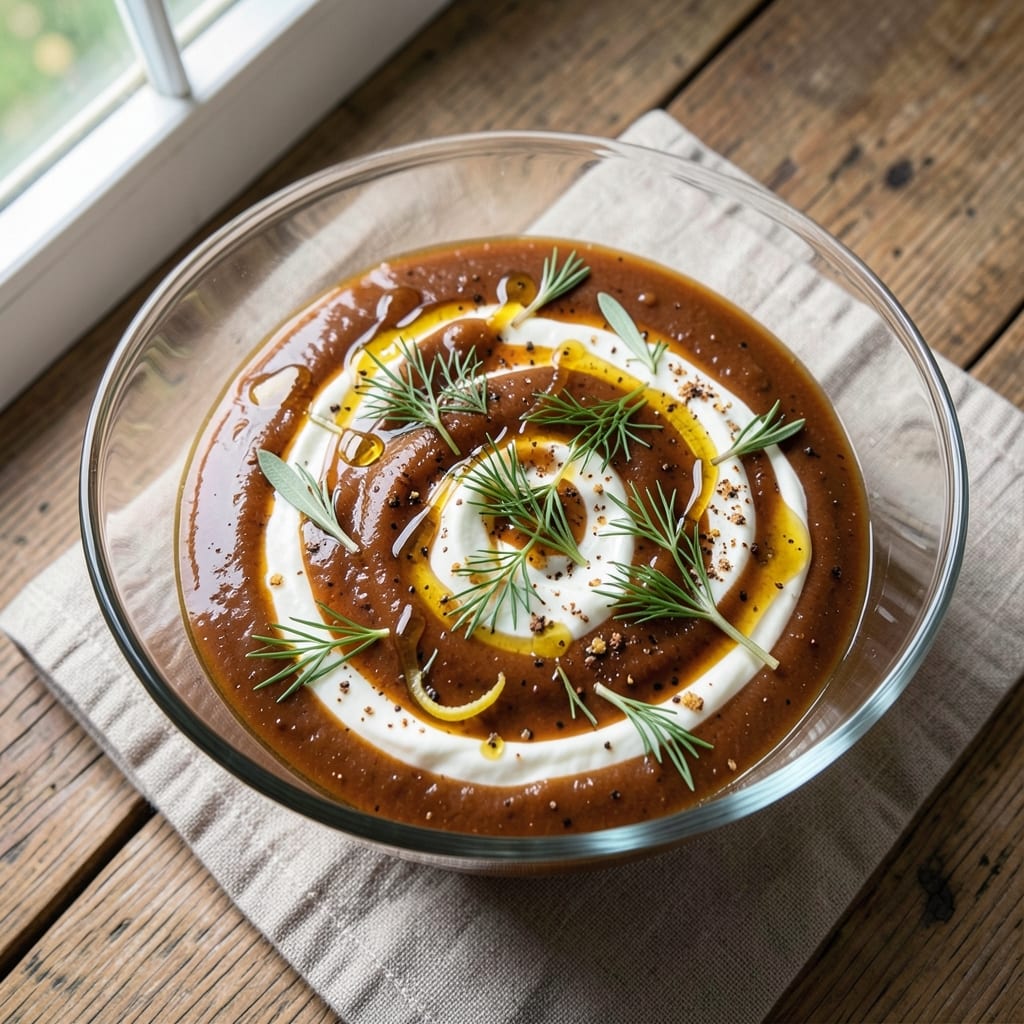
This 24-hour salad dressing recipe transforms basic ingredients into a complex, restaurant-worthy sauce that only gets better with time. ✨ The secret lies in letting flavors meld overnight—where vinegar brightens, herbs deepen, and emulsifiers create a silky texture that store-bought versions can’t match. I developed this after realizing most dressings lose their vibrancy within days, but this one develops richness and balance as it rests.
The magic happens with a simple ratio of oil to acid, stabilized by a touch of mustard or yogurt to prevent separation. High-quality olive oil and aged balsamic vinegar form the backbone, while fresh herbs (like tarragon or dill) infuse their essence over time. Unlike quick dressings that taste flat, this one builds layers—tangy, herby, and just slightly sweet—perfect for everything from Caesar salads to grain bowls.
By morning, your dressing will be velvety, aromatic, and packed with depth—no more thin, vinegary disappointments. The emulsification process ensures it stays creamy for days, making it ideal for meal prep. Whether you drizzle it over greens, toss it with pasta, or use it as a marinade, the flavor transformation is undeniable.
Pro tip: Double the batch and store it in the fridge for up to a week. The longer it sits, the more complex it becomes—proof that patience truly pays off in the kitchen.
Ingredients for 24 hour salad dressing
Ten simple ingredients. One overnight wait. Restaurant-quality dressing without the fuss.
| Ingredient | Amount | Notes |
|---|---|---|
| Extra-Virgin Olive Oil 🫒 | 1 cup | High-quality, fruity variety |
| Aged Balsamic Vinegar 🍷 | ½ cup | 12+ months aged preferred |
| Fresh Dill Leaves 🌿 | ¼ cup | Chopped, stems removed |
| Fresh Tarragon Leaves 🌿 | ¼ cup | Chopped, stems removed |
| Dijon Mustard 🍯 | 1 tbsp | For emulsification |
| Plain Greek Yogurt 🧀 | ¼ cup | Full-fat preferred |
| Garlic Cloves 🧄 | 2 cloves | Minced for depth |
| Honey 🍯 | 1 tbsp | Light, floral variety |
| Diamond Crystal Kosher Salt 🧂 | ½ tsp | Adjust to taste |
| Fresh Lemon Juice 🍋 | 1 tbsp | Freshly squeezed |
The olive oil is where you shouldn't skimp. Trader Joe's or Whole Foods carry great fruity varieties—look for labels saying 'extra-virgin' and harvest dates within the last year. Same goes for the balsamic: 12+ months aged makes a world of difference. Fresh herbs are ideal, but if you're using dried, cut the amount to one-third—tarragon especially loses its punch fast. I always grab extra dill because it's the backbone of the flavor. For the mustard, Dijon is non-negotiable—it's what keeps everything emulsified. The yogurt adds richness, so full-fat Greek is worth the splurge if you're buying it.
No fresh dill? Dried dill at one-third the amount works, but it won't have that same bright pop. Short on tarragon? Fresh thyme or basil can stand in, though the flavor will shift slightly. Running out of honey? Maple syrup works too, though it has a different depth. The garlic can be roasted for a sweeter note if you're feeling fancy—just toss whole cloves in a 400°F oven for 10 minutes before mincing. And if you're worried about the dressing separating, add the yogurt last and whisk like crazy for 30 seconds—it's your emulsifier.
This dressing gets better with time, so make it the night before if possible. Store in a clean glass jar with a tight seal—keeps for up to a week in the fridge. The longer it sits, the more complex the flavors get. I like to double the batch because it disappears fast. If it thickens too much, just add a splash of water or lemon juice. And if you're meal prepping, portion into small jars so you can grab just what you need without dealing with a big container.
Why You'll Love This Recipe
- No-Chop Magic: I swear by this—just toss in whole dill sprigs and tarragon stems, no measuring cups, no fuss. The dressing marries perfectly overnight, and you’re left with a jar of bright, herby goodness that’s ready to drizzle.
- Deep Umami Pop: That aged balsamic? It’s the star. The tang cuts through the richness of the olive oil, while the Dijon mustard adds a sharp backbone—like a fancy bistro vinaigrette, but with half the effort.
- Weeknight Hero: I make a big batch on Sundays and keep it in the fridge for salads, roasted veggies, even grilled chicken. No last-minute scrambling, just grab-and-go flavor that turns simple meals into something special.
- Budget Brightener: Fresh herbs can get pricey, but here’s the trick: a little goes a long way. A single bunch of dill and tarragon stretches for weeks, and the dressing’s boldness means you use less—no waste, all flavor.
Step-by-step instructions for 24-Hour salad dressing
This isn't just any dressing—it's a flavor explosion that gets better with time.
👨🍳 Step 1: Whisk Together the Base Ingredients
In a medium bowl, combine the 1 cup extra-virgin olive oil and 0.5 cup aged balsamic vinegar. Give it a quick whisk to break up any oil strings—this helps the flavors blend smoothly right from the start. Next, add the 1 tbsp Dijon mustard and 1 tbsp honey, whisking until everything looks uniform and slightly thickened.
Here's the thing—this initial mix might look separated, but that's normal. The magic happens when we let it sit. The mustard acts like an emulsifier, helping the oil and vinegar play nice together over time. Don't worry if it looks cloudy now; it'll clear up beautifully after 24 hours.
👨🍳 Step 2: Add the Herbs, Garlic, and Yogurt
Finely chop the 0.25 cup fresh dill leaves and 0.25 cup fresh tarragon leaves (stems removed) and add them to the bowl. Then, mince the 2 cloves garlic and stir them in. Finally, fold in the 0.25 cup plain Greek yogurt using a rubber spatula—this keeps the texture smooth instead of breaking it up with a whisk.
The yogurt adds a creamy richness that balances the tangy vinegar and sharp herbs. I like to press the herbs between my fingers first to release their oils—this gives the dressing an extra layer of flavor. The garlic should be minced, not chopped, so it dissolves completely and infuses the dressing evenly.
🍳 Step 3: Finish with Salt and Lemon
Squeeze in the 1 tbsp fresh lemon juice and add the 0.5 tsp Diamond Crystal kosher salt. Give it one final whisk to make sure everything is fully incorporated. The dressing should now look like a thick, herby emulsion with a few tiny bubbles—this is your starting point before the overnight transformation.
Taste it now if you're curious, but I promise it'll be even better after 24 hours. The salt might seem light now, but the flavors will deepen and balance out perfectly. The lemon juice brightens everything up, cutting through the richness of the olive oil and yogurt.
⏰ Step 4: Let It Rest and Develop
Cover the bowl tightly with plastic wrap and let it sit at room temperature for 24 hours. I know it's tempting to use it right away, but patience here is key. The flavors need time to meld and the emulsification process to fully develop—this is what makes the difference between a good dressing and an extraordinary one.
After 24 hours, give it a good stir. The dressing should now have a silky, velvety texture with no separation. If you see any oil pooling on top, just whisk it back in—it'll blend right in. The color will be deeper, the flavors more complex, and the balance between sweet, tangy, and herby notes will be perfect.
Pro Tips For Making 24 Hour Salad Dressing
- STIR DAILY, NOT JUST ONCE: I learned this the hard way—mixing your dressing vigorously right at the start won’t cut it. Every 12 hours, give it another good stir, especially if you’re using chunky herbs like tarragon. The oils and vinegar separate over time, and lazy stirring means a lukewarm, uneven dressing when you finally use it.
- USE COLD HERBS: Fresh dill and tarragon lose their punch fast, but cold slows the decay. Rinse the herbs in ice water right after picking (or buying), then pat them bone-dry with a towel. Store them in a sealed container in the fridge—this keeps their flavor sharp for the full 24 hours, not just the first 12.
- SALT THE MUSTARD FIRST: Dijon mustard can taste bitter if not tamed early. Before mixing, sprinkle a pinch of salt directly into the mustard and whisk it into a paste. This balances the sharpness right away, so the dressing doesn’t turn out overpowering later—especially if you’re using a strong aged balsamic.
- SKIP THE METAL BOWL: Acid and metal don’t mix well over time. Store your dressing in a glass jar or ceramic bowl—metal reacts with the vinegar, even just a little, and can leave a weird metallic tang. Glass keeps everything pure, and you’ll notice the difference when you taste it after 24 hours.
Creative variations of 24 hour salad dressing
Herb Swaps
Trade the dill and tarragon for other fresh herbs based on what you have. For a Mediterranean twist, use oregano and basil—they add a bright, slightly sweet note that pairs beautifully with the honey. If you prefer Asian-inspired flavors, swap in cilantro and Thai basil—the dressing will take on a citrusy, almost lime-like depth. I’ve also used chives and parsley for a milder, fresher profile, especially when serving with delicate greens like baby spinach. 🌿
Spicy Variations
Add heat by mixing in 1 tsp of hot sauce or ½ tsp of red pepper flakes before the 24-hour rest. For a smoky kick, stir in ½ tsp of smoked paprika or a dash of chipotle powder. If you love fiery flavors, try 1 tsp of sriracha or ½ tsp of cayenne pepper—just remember, the heat will mellow slightly after resting, so adjust to taste. I often double the heat for spicy tacos or grilled chicken bowls. 🌶️
Creamy Upgrades
For an even richer texture, replace the Greek yogurt with sour cream or crème fraîche—both add a tangy creaminess that balances the acidity. If you’re feeling indulgent, stir in 1 oz of goat cheese or 2 tbsp of mayonnaise for a Caesar-style dressing. I’ve also used avocado (mashed) for a lighter, fruity twist—just add it last to avoid browning. These upgrades make the dressing perfect for heartier salads or as a dip for crudités. 🧀
Sweet and Tangy
Boost the sweetness with agave nectar or maple syrup instead of honey for a deeper, caramel-like note. For a fruit-forward dressing, add 1 tbsp of finely grated apple or 1 tsp of orange zest—both add brightness and complexity. I’ve also used balsamic glaze (instead of vinegar) for a richer, almost dessert-like dressing that’s amazing with goat cheese salads. These tweaks turn the dressing into a versatile condiment for everything from fruit salads to grilled meats. 🍎
Global Flavors
Transform this dressing into a global condiment with a few simple swaps. For a French-inspired version, use white wine vinegar and tarragon with a pinch of black pepper. A Mexican twist works with lime juice, cilantro, and 1 tsp of cumin. For Italian flair, swap in lemon zest, basil, and a splash of pasta water for a carbonara-like dressing. These adaptations let you customize the dressing for any cuisine—no extra effort required! 🌍
Nutrition facts
Frequently asked questions
Why does the dressing need 24 hours to develop?
The overnight rest allows flavors to meld and emulsifiers (like mustard and yogurt) to fully blend the oil and vinegar. This creates a silky texture and deeper taste—like letting wine breathe. The herbs also infuse their oils more completely, making every drizzle more aromatic.
Can I make this dressing without yogurt or mustard?
Yes, but the texture may separate more easily. For a vinegar-heavy version, use 1 tbsp of honey or maple syrup as a natural emulsifier. For creaminess, try 1 tbsp of cornstarch slurry (1 tsp cornstarch + 1 tbsp water) instead of yogurt—whisk it in last.
How long will this dressing keep in the fridge?
Up to 1 week when stored in an airtight container. The flavors actually improve slightly over time! If it thickens, stir in 1 tsp of water or lemon juice to restore consistency. The 24-hour resting period is just the start—it keeps getting better.
What if my dressing separates after 24 hours?
This happens when emulsifiers aren't fully activated. Whisk vigorously for 1-2 minutes to re-emulsify. For stubborn separation, add 1 tsp of Dijon mustard or 1 tbsp of yogurt, then whisk again. The longer it sits, the more stable it becomes!
Can I use this dressing on cooked dishes?
It works perfectly on grilled chicken, roasted vegetables, or even as a marinade for fish or tofu. The herby depth complements proteins beautifully. For meat, let it marinate for 1-2 hours before cooking to tenderize.