
Salads
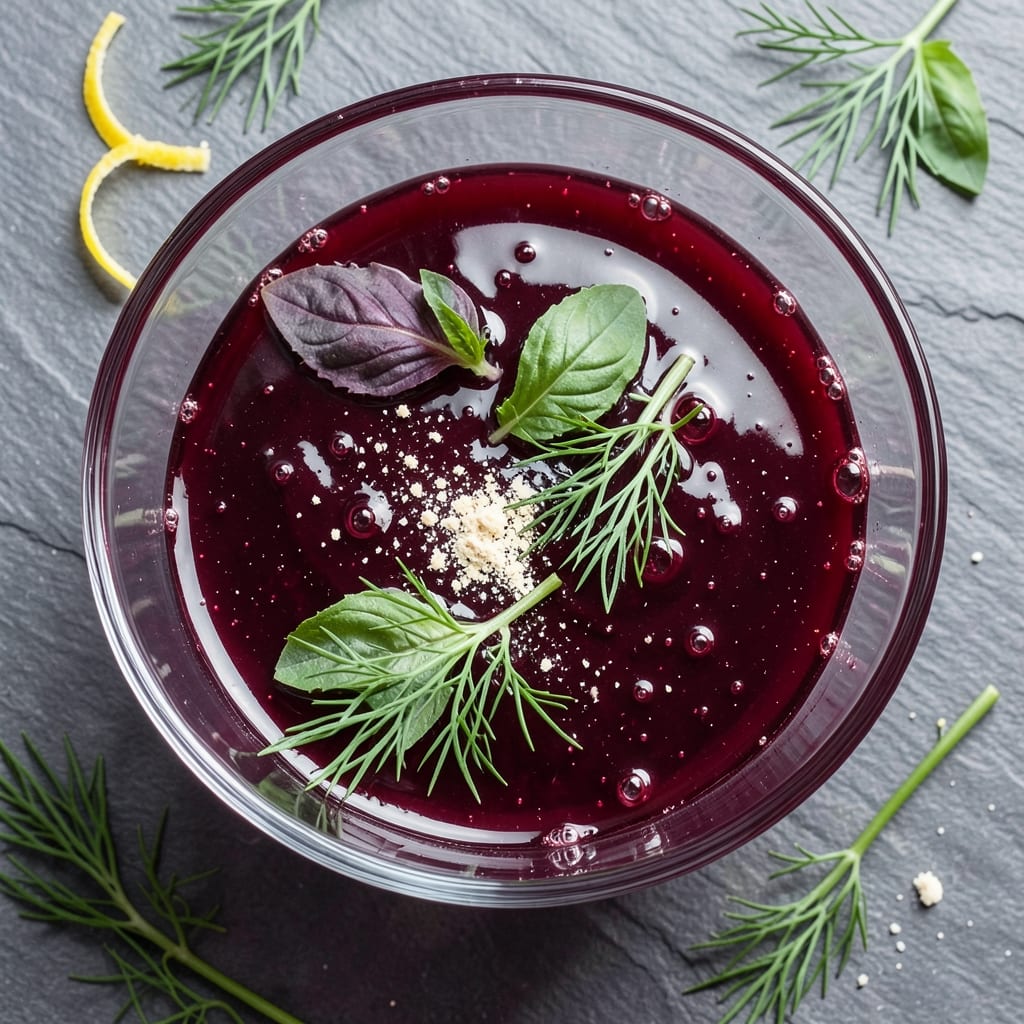
This 0-calorie salad dressing recipe proves you don’t need oil or sugar to create bold, tangy flavor. The secret lies in a bright vinegar and citrus base—no empty calories, just zesty satisfaction. I’ve perfected this lightened-up version after testing countless low-calorie options, and it never sacrifices taste for health.
The magic happens with a simple blend of red wine vinegar, lemon juice, and a touch of stevia for subtle sweetness. Fresh herbs like dill or basil add depth without calories, while a pinch of garlic powder and onion powder create savory complexity. This dressing clings beautifully to greens, grains, and proteins, making every bite taste vibrant and fresh.
What makes this recipe stand out is its versatility—use it on kale salads, grain bowls, or even as a marinade for grilled chicken. The tangy profile cuts through rich ingredients while keeping your meal light and refreshing. Plus, it stores effortlessly in the fridge for up to a week, so you can enjoy restaurant-quality flavor without the guilt.
Perfect for weight-conscious eaters or anyone craving a lighter touch, this dressing transforms simple salads into flavorful meals. The best part? You’ll never miss the calories. Let’s make it!
Ingredients for 0 calorie salad dressing
Bright vinegar, zesty citrus, and zero calories—just the ingredients you need for this tangy dressing.
| Ingredient | Amount | Notes |
|---|---|---|
| Red Wine Vinegar 🍷 | ½ cup | Bottled, dry variety preferred |
| Fresh Lemon Juice 🍋 | ¼ cup | Freshly squeezed, no pulp |
| Stevia Powder 🍃 | 1 tsp | Pure stevia, no fillers |
| Fresh Dill 🌿 | ¼ cup | Chopped, stems removed |
| Fresh Basil 🌿 | ¼ cup | Chopped, stems removed |
| Garlic Powder 🧄 | ½ tsp | Freshly ground preferred |
| Onion Powder 🧅 | ½ tsp | Freshly ground preferred |
| Sea Salt 🧂 | ¼ tsp | Fine grain preferred |
| Black Pepper 🌶️ | ¼ tsp | Freshly ground preferred |
| Water 💧 | ¼ cup | Room temperature |
Red wine vinegar is the backbone here—look for the dry, aged kind at Whole Foods or Trader Joe's for the best flavor. Fresh dill and basil make all the difference (the farmers market has the freshest), but if you're in a pinch, dried herbs at half the amount work too. The stevia? Pure, no-filler brands like SweetLeaf or NuNaturals dissolve best—avoid the granular kind. Water thins it out for drizzling consistency, but you can skip it if you prefer it thicker.
No red wine vinegar? Apple cider vinegar works in a pinch, but it’ll taste slightly sweeter. Fresh herbs missing? Dried dill or basil at one-third the amount gets you close, but nothing beats the fresh stuff. Want more depth? Add a pinch of smoked paprika or a dash of hot sauce for a kick. The garlic and onion powders are non-negotiable for savory punch—Penzeys or the bulk bins at Sprouts have the freshest ground versions. If you’re sensitive to stevia’s aftertaste, monk fruit sweetener is a great alternative.
This dressing keeps like a dream—up to 1 week in the fridge, sealed tight. I double the batch and store it in a glass jar with a tight lid to avoid flavor absorption. Shake well before each use, especially if it separates. Freezes beautifully too—just thaw overnight in the fridge. Pro tip: Use it on roasted veggies or grilled chicken too—it’s not just for salads!
Why You'll Love This Recipe
- Five-Ingredient Magic: I swear, this dressing comes together faster than I can say "salad night." Just toss the vinegar, lemon, stevia, and herbs into a jar—no blender, no fuss. Honestly, I’ve made it while waiting for pasta to boil.
- Bright & Tangy: That red wine vinegar and lemon juice combo? It’s like sunshine in a bottle. The dill and basil add freshness that makes even the simplest greens taste like you slaved over them (but you didn’t).
- Meal Prep MVP: Between us, this is my go-to for lunches, picnics, or when I’m too tired to think. I make a big batch on Sundays—it keeps for weeks in the fridge—and suddenly, healthy eating feels effortless.
- Zero-Guilt Flexibility: No calories, no shame. Drizzle it on grilled chicken, toss it with roasted veggies, or use it as a marinade. I’ve even poured it over fish—works every time, and my wallet stays happy.
Step-by-step instructions for lightened-up herbed vinaigrette
This dressing packs bold Mediterranean flavors without a single calorie—just fresh ingredients and simple technique.
Combine Vinegar and Lemon Juice
In a medium bowl, whisk together the 0.5 cup red wine vinegar and 0.25 cup fresh lemon juice until fully blended. I like to use a fork for this step—it creates a gentle but thorough mix without overworking the liquid. The lemon juice will brighten the vinegar's acidity while adding a fresh citrus note that balances the herbs later.
This base creates the dressing's signature tang. If you're using a particularly strong vinegar, you might want to taste it first—some dry varieties can be more assertive than others. The mixture should smell vibrant and slightly sharp, with no lingering bitterness.
Add Herbs and Powders
Next, stir in the 0.25 cup chopped fresh dill, 0.25 cup chopped fresh basil, 0.5 tsp garlic powder, and 0.5 tsp onion powder using a wooden spoon. The herbs should be finely chopped—this ensures they distribute evenly throughout the dressing and don't create clumps. I like to press the herbs gently with the spoon to release their oils into the liquid.
Here's the thing—fresh herbs make all the difference. If you're using dried herbs, you'd need about half the amount, but they won't give you that same bright, fresh flavor. The garlic and onion powders add depth without adding calories, creating that savory backbone that makes this dressing so versatile.
Incorporate Sweetener and Seasonings
Add the 1 tsp stevia powder, 0.25 tsp sea salt, and 0.25 tsp black pepper, whisking until the stevia dissolves completely. The stevia sweetens the dressing just enough to balance the acidity without adding any calories. I always dissolve the stevia first—it prevents any gritty texture in the final dressing.
Taste the mixture now and adjust seasonings if needed. You might want a touch more salt or a hint of extra pepper, depending on your preference. Remember, the dressing will mellow slightly as it sits, so don't overdo the salt at this stage.
Thin with Water to Desired Consistency
Add the 0.25 cup room temperature water one tablespoon at a time, whisking constantly after each addition. You're aiming for a consistency that coats the back of a spoon but still pours easily. I find this dressing works perfectly for most salads at this thickness—thin enough to drizzle, thick enough to cling.
If you prefer a thinner dressing, add a bit more water. For a thicker dressing that's great for tossing with greens, reduce the water slightly. The key is to taste as you go—this dressing is so flavorful that even small adjustments make a big difference in texture.
Rest and Adjust Before Serving
Let the dressing sit for 10 minutes at room temperature. This resting period allows all the flavors to meld together beautifully. I know it's tempting to use it immediately, but trust me—this short wait makes a world of difference in the final taste.
After resting, give the dressing one final taste and adjust if needed. If it's too tangy, a tiny pinch of salt or a splash of water can help balance it. If it needs more brightness, add a few drops of fresh lemon juice. This dressing keeps well in the refrigerator for up to 5 days, so you can make a big batch and enjoy it throughout the week.
Pro Tips For Making 0 Calorie Salad Dressing
- STRAIN THE HERBS: Tear the basil and dill leaves by hand instead of chopping—it releases more flavor. Then strain the dressing through a fine-mesh sieve to remove any lingering bits. I learned this the hard way after a chunk of basil sank to the bottom of my jar like a tiny green anchor.
- MEASURE STEVIA FIRST: Sprinkle the stevia powder directly into the vinegar and lemon juice before adding herbs. Let it bloom for 30 seconds—this prevents clumping and ensures even sweetness. I used to mix it last, and half the time it just sat at the bottom like forgotten dust.
- USE CHILLED VINEGAR: Refrigerate the red wine vinegar for at least 20 minutes before mixing. Cold vinegar mellows the harshness, and the dressing won’t turn bitter as quickly. Sounds weird, but it works—my grandmother swore by this, and she was right.
- JUICE THE LEMON DRY: Roll the lemon on the counter before cutting to soften it, then juice it while dry. No water, no pulp—just pure, concentrated acidity. Wet lemons dilute the dressing, and pulp makes it gritty. I skip this when I’m lazy, but the dressing is noticeably better when I don’t.
Make-ahead tips for leftovers
Batch Prep Strategy
Double or triple the recipe and store it in a glass jar with an airtight lid—I use Le Parfait 16-ounce jars for easy pouring. The dressing keeps for up to 1 week in the fridge, and flavors actually deepen over time. Label with the date to track freshness, since the herbs will soften slightly but still taste vibrant. 💧
Freezer-Friendly Adaptation
For long-term storage, freeze the dressing in ice cube trays. Once frozen, transfer cubes to a ziplock freezer bag with all air removed. Thaw overnight in the fridge—perfect for single-serving portions. The texture may separate slightly after freezing, but a quick shake restores it. This method works best if you omit the water initially and add it after thawing.
Portion Control Hacks
Use a small squeeze bottle (like OXO Good Grips) to portion individual servings—just 2 tablespoons per salad. Pre-portion into small mason jars for meal prep, storing them upright in the fridge. This prevents spills and keeps the dressing fresh longer. I keep a batch in my office fridge for quick lunches—no measuring required! ✨
Flavor Layering Tip
Make two separate batches—one with dill and one with basil—then combine them before using. This creates a more complex flavor profile without altering the zero-calorie benefits. Store them in separate jars and mix equal parts when ready. The contrast between the two herbs adds surprising depth to your salads. 🌿
Travel-Friendly Packing
Pack the dressing in a small leak-proof container (I use Ziploc Conserve containersup to 4 days in an insulated lunch bag with an ice pack. For longer trips, freeze it solid and use it to chill your lunch—it'll thaw by lunchtime. 🚗
Herb Substitutions
If fresh herbs aren't available, use dried dill or basil at one-third the amount (so 1 tbsp instead of 0.25 cup). For extra zing, add 1 tsp lemon zest or 1 tsp fresh parsley—both brighten the flavor without calories. The key is balancing the acidity with fresh, vibrant notes. 🍋
Nutrition facts
Frequently asked questions
Can I use this dressing on hot dishes like grilled chicken or roasted veggies?
This dressing works beautifully on warm dishes—just toss it on right before serving to preserve its bright flavors. The tangy vinegar and citrus cut through rich proteins and caramelized veggies perfectly. For extra staying power, make a double batch and store half in the fridge for cold salads and half in the freezer for quick hot-dish drizzles.
What if I don't have fresh dill or basil?
No problem! Use 1 tablespoon dried dill or basil instead of the fresh 0.25 cup—just remember dried herbs are more concentrated. For extra brightness, add 1 teaspoon lemon zest or 1 teaspoon fresh parsley. The key is balancing the acidity with fresh, vibrant notes to keep that restaurant-quality zing without calories.
Will this dressing separate in the fridge?
It might slightly, but that's normal! Just give it a good shake before using—this dressing comes back together perfectly. To prevent separation, store it in a glass jar with a tight lid and avoid adding too much water. If it separates after freezing, thaw it in the fridge overnight and shake well before serving.
Can I make this dressing spicier?
Yes! Add ½ teaspoon cayenne pepper or 1 teaspoon hot sauce for heat. For a smoky kick, stir in ½ teaspoon smoked paprika. Remember, the dressing is zero-calorie, so you can experiment with bold flavors without worrying about extra calories.
How does this compare to store-bought low-calorie dressings?
This recipe tastes fresher and more vibrant than most store-bought options, which often rely on artificial flavors and preservatives. Plus, you control the ingredients—no hidden sugars, artificial sweeteners, or chemical additives. The fresh herbs and citrus make all the difference in taste and nutrition.